

Give the Gift of Choice!
Too many options? Treat your friends and family to their favourite stores with a Bayshore Shopping Centre gift card, redeemable at participating retailers throughout the centre. Click below to purchase yours today!Purchase HereHome
1968: The Most Consequential Year In United States History
Coles
Loading Inventory...
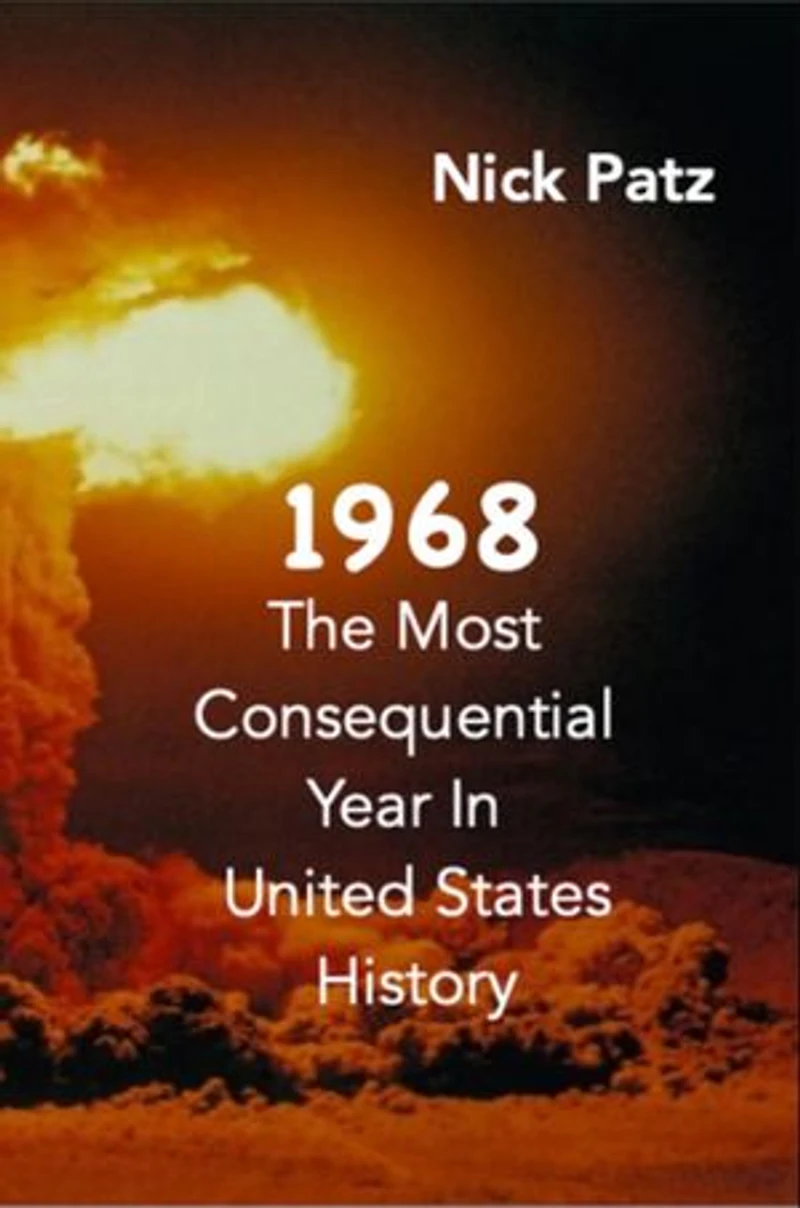
1968: The Most Consequential Year In United States History in Ottawa, ON
Current price: $6.29
Original price: $6.99

1968: The Most Consequential Year In United States History in Ottawa, ON
Current price: $6.29
Original price: $6.99
Loading Inventory...
Size: Kobo eBook
*Product information may vary - to confirm product availability, pricing, shipping and return information please contact Coles
The year 1968 was a crucible for the United States. The country teetered on the edge of chaos. It began the Tet Offensive, a brutal campaign by the North Vietnamese that shattered the illusion of an easy victory in Vietnam. The war, once a distant murmur, was now impossible to ignore. Nearly 17,000 American soldiers would die in Vietnam that yea r, the highest toll of any phase of the war. In April, Martin Luther King Jr. , the towering figure of the civil rights movement, was assassinated . King's death sent shockwaves through the nation, igniting race riots in cities across the country. June brought yet another tragedy. Robert F. Kennedy , who seemed poised to secure the Democratic nomination for President, was gunned down just moments after declaring victory in the California primary. The chaotic Democratic National Convention in Chicago that summer, had police clashing violently with protesters. America was watching the brutality unfold on television, Amidst this turmoil, Richard Nixon was elected President on November 5, 1968. Nixon had manipulated the Vietnam conflict to serve his own political ambitions. He ran against Hubert Humphrey, the Vice President who represented the failed policies of the Johnson administration, and George Wallace, the segregationist former governor of Alabama. It was a bitter, divisive election that reflected the deep fractures within American society. You will find that each of events of 1968 that are recounted here were not isolated moments but part of a broader narrative that spanned weeks, months, and even years. I have tried to keep these events in somewhat chronological order, but history, like life, is rarely so neat. I hope that by weaving together these threads, I can offer a clearer picture of why 1968 was such a consequential year-both for me and for the nation.
The year 1968 was a crucible for the United States. The country teetered on the edge of chaos. It began the Tet Offensive, a brutal campaign by the North Vietnamese that shattered the illusion of an easy victory in Vietnam. The war, once a distant murmur, was now impossible to ignore. Nearly 17,000 American soldiers would die in Vietnam that yea r, the highest toll of any phase of the war. In April, Martin Luther King Jr. , the towering figure of the civil rights movement, was assassinated . King's death sent shockwaves through the nation, igniting race riots in cities across the country. June brought yet another tragedy. Robert F. Kennedy , who seemed poised to secure the Democratic nomination for President, was gunned down just moments after declaring victory in the California primary. The chaotic Democratic National Convention in Chicago that summer, had police clashing violently with protesters. America was watching the brutality unfold on television, Amidst this turmoil, Richard Nixon was elected President on November 5, 1968. Nixon had manipulated the Vietnam conflict to serve his own political ambitions. He ran against Hubert Humphrey, the Vice President who represented the failed policies of the Johnson administration, and George Wallace, the segregationist former governor of Alabama. It was a bitter, divisive election that reflected the deep fractures within American society. You will find that each of events of 1968 that are recounted here were not isolated moments but part of a broader narrative that spanned weeks, months, and even years. I have tried to keep these events in somewhat chronological order, but history, like life, is rarely so neat. I hope that by weaving together these threads, I can offer a clearer picture of why 1968 was such a consequential year-both for me and for the nation.










More About Coles at Bayshore Shopping Centre
Coles is renowned for its outstanding customer service and great selection of books. Along with the vast array of magazines, stationary, audio-books, children's literature, fiction, non-fiction and reference books, you can find accessories to make your reading experience more pleasurable. We can recommend the very best in reading today. We will help you search our titles for exactly what you need, and if we do not have it in stock, we will order it for you.
100 Bayshore Dr, Nepean, ON K2B 8C1, Canada
Find Coles at Bayshore Shopping Centre in Ottawa, ON
Visit Coles at Bayshore Shopping Centre in Ottawa, ON