

Give the Gift of Choice!
Too many options? Treat your friends and family to their favourite stores with a Bayshore Shopping Centre gift card, redeemable at participating retailers throughout the centre. Click below to purchase yours today!Purchase HereHome
1970s Feminisms
Coles
Loading Inventory...
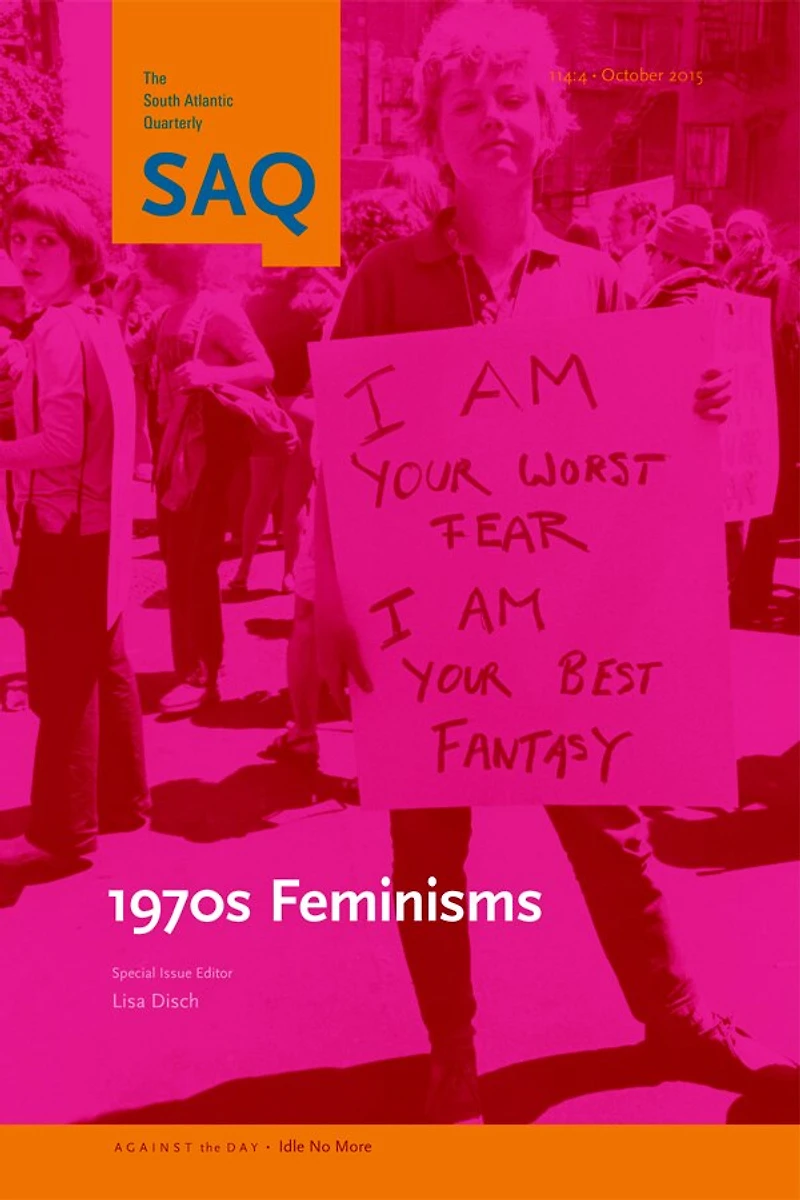
1970s Feminisms in Ottawa, ON
Current price: $20.95

1970s Feminisms in Ottawa, ON
Current price: $20.95
Loading Inventory...
Size: Paperback
*Product information may vary - to confirm product availability, pricing, shipping and return information please contact Coles
For more than a decade, feminist historians and historiographers have engaged in challenging the "third wave" portrait of 1970s feminism as essentialist, white, middle-class, uninterested in racism, and theoretically naive. This task has involved setting the record straight about women's liberation by interrogating how that image took hold in the public imagination and among academic feminists. This issue invites feminist theorists to return to women's liberation-to the texts, genres, and cultural productions to which the movement gave rise-for a more nuanced look at its conceptual and political consequences. The essays in this issue explore such topics as the ambivalent legacies of women's liberation; the production of feminist subjectivity in mass culture and abortion documentaries; the political effects of archiving Chicana feminism; and conceptual and generic innovations in the work of Gayle Rubin, Christine Delphy, and Shulamith Firestone.
For more than a decade, feminist historians and historiographers have engaged in challenging the "third wave" portrait of 1970s feminism as essentialist, white, middle-class, uninterested in racism, and theoretically naive. This task has involved setting the record straight about women's liberation by interrogating how that image took hold in the public imagination and among academic feminists. This issue invites feminist theorists to return to women's liberation-to the texts, genres, and cultural productions to which the movement gave rise-for a more nuanced look at its conceptual and political consequences. The essays in this issue explore such topics as the ambivalent legacies of women's liberation; the production of feminist subjectivity in mass culture and abortion documentaries; the political effects of archiving Chicana feminism; and conceptual and generic innovations in the work of Gayle Rubin, Christine Delphy, and Shulamith Firestone.
You May Also Like








More About Coles at Bayshore Shopping Centre
Coles is renowned for its outstanding customer service and great selection of books. Along with the vast array of magazines, stationary, audio-books, children's literature, fiction, non-fiction and reference books, you can find accessories to make your reading experience more pleasurable. We can recommend the very best in reading today. We will help you search our titles for exactly what you need, and if we do not have it in stock, we will order it for you.
100 Bayshore Dr, Nepean, ON K2B 8C1, Canada
Find Coles at Bayshore Shopping Centre in Ottawa, ON
Visit Coles at Bayshore Shopping Centre in Ottawa, ON