

Give the Gift of Choice!
Too many options? Treat your friends and family to their favourite stores with a Bayshore Shopping Centre gift card, redeemable at participating retailers throughout the centre. Click below to purchase yours today!Purchase HereHome
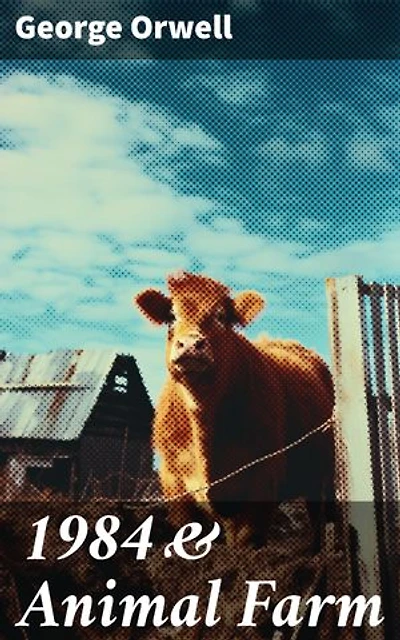
1984 & Animal Farm
Coles
Loading Inventory...
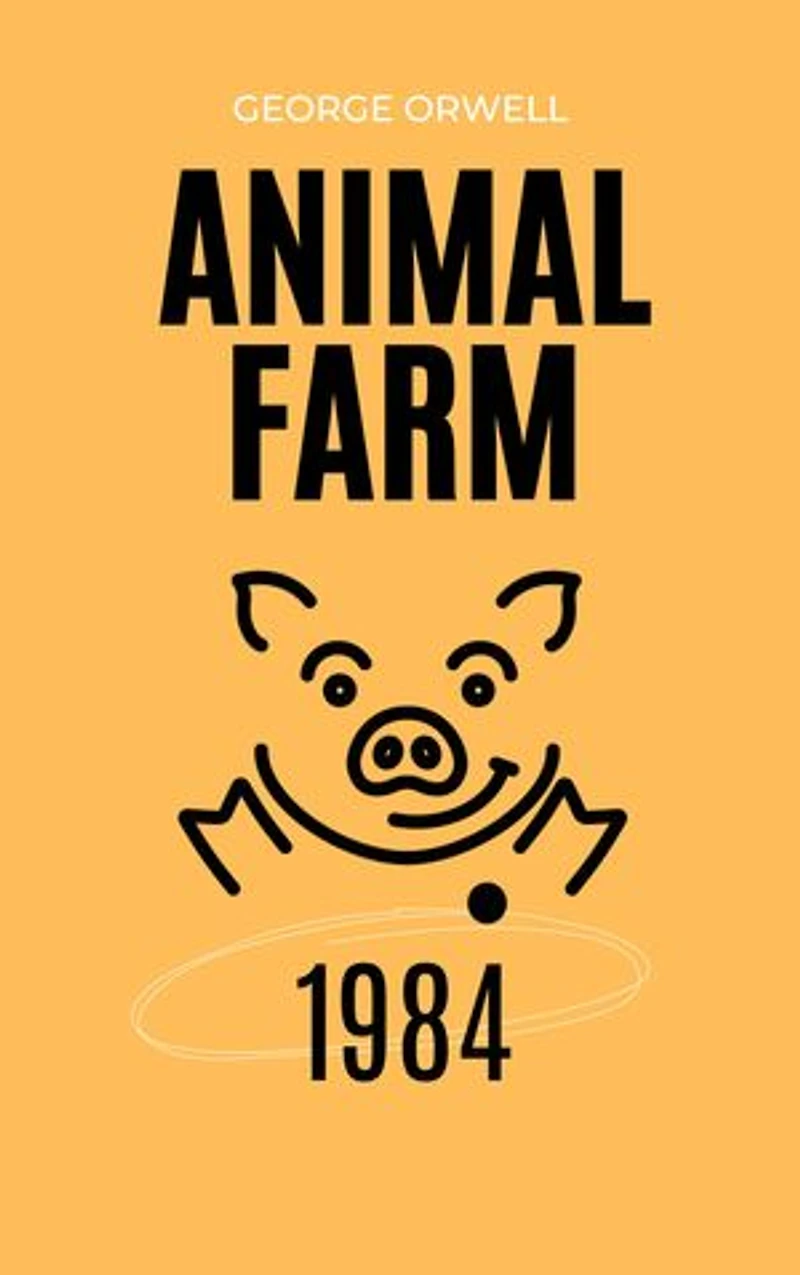
1984 & Animal Farm in Ottawa, ON
Current price: $0.99

1984 & Animal Farm in Ottawa, ON
Current price: $0.99
Loading Inventory...
Size: Kobo eBook
*Product information may vary - to confirm product availability, pricing, shipping and return information please contact Coles
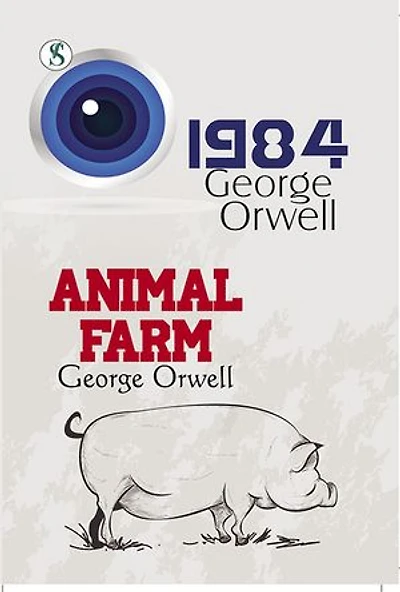
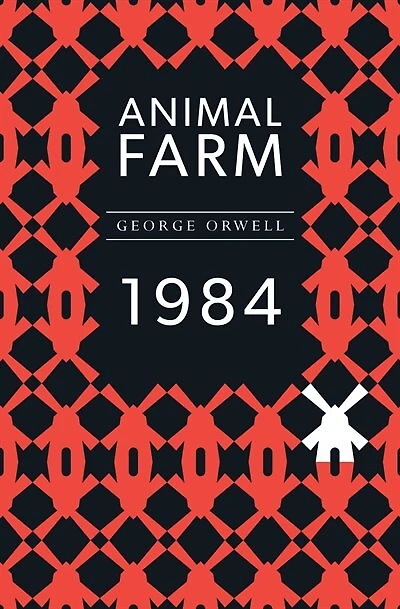
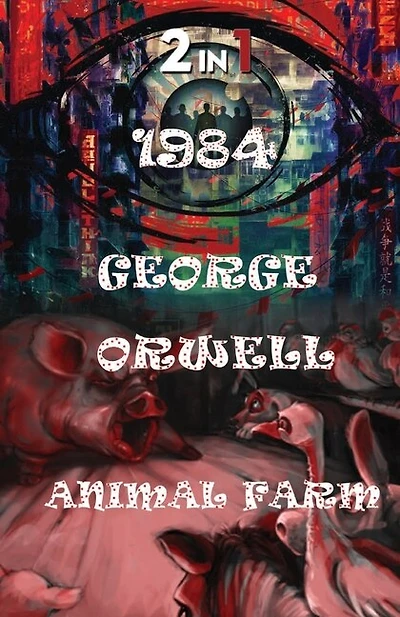
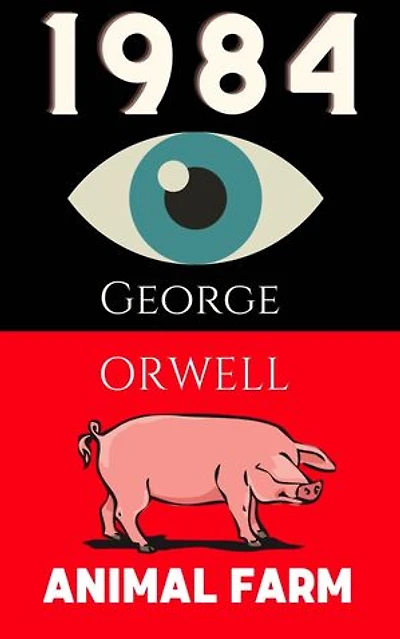
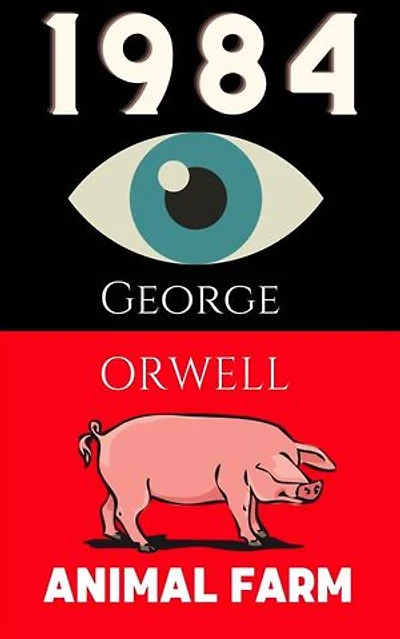
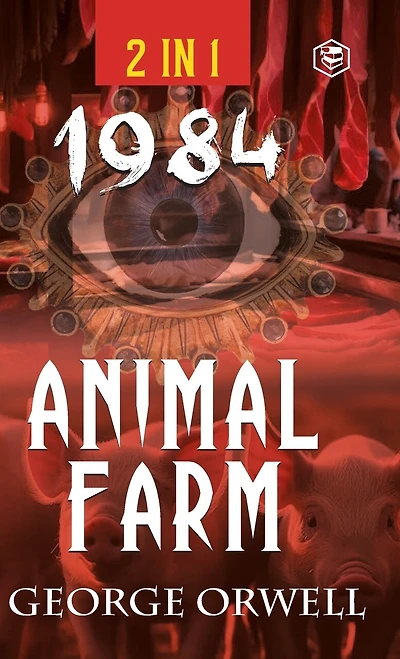
"1984" and "Animal Farm" are two of George Orwell's most renowned works, each offering a profound commentary on the nature of power, control, and the perils of totalitarianism, albeit through different lenses. "1984" is set in a dystopian future where the world is divided into three superstates, with the story focusing on Airstrip One (formerly Great Britain), part of the totalitarian superstate of Oceania. The novel introduces us to Winston Smith, a member of the Outer Party who works at the Ministry of Truth, where his job is to alter historical records and ensure they match the Party's current official version of the past. The society is under the omnipresent surveillance of Big Brother, where independent thinking is a crime, and the Thought Police brutally enforce loyalty to the Party. Through Winston's eyes, Orwell explores themes of surveillance, censorship, the manipulation of truth, and the loss of individuality, illustrating a harrowing world where freedom and truth are subverted by propaganda and power. "Animal Farm" presents a satirical tale set on a farm where the animals revolt against their human farmer, aspiring to create a society where animals can be equal, free, and happy. However, the rebellion's initial noble goals are quickly overshadowed by the rise of the pigs, who establish themselves as the new ruling class. Led by the cunning pig Napoleon, the new regime becomes indistinguishable from the oppressive human rule they overthrew. Through the allegory of the farm, Orwell critiques the Russian Revolution and the subsequent corruption of socialist ideals in the Soviet Union, exploring themes of power, corruption, and betrayal, ultimately conveying the cynical message that power tends to corrupt, and absolute power corrupts absolutely. Together, "1984" and "Animal Farm" offer timeless warnings against the dangers of totalitarianism, the corrupting influence of power, and the importance of guarding against the erosion of fundamental freedoms and truths. Orwell's masterful storytelling and sharp political commentary make both novels enduring classics that continue to resonate with readers around the world.
"1984" and "Animal Farm" are two of George Orwell's most renowned works, each offering a profound commentary on the nature of power, control, and the perils of totalitarianism, albeit through different lenses. "1984" is set in a dystopian future where the world is divided into three superstates, with the story focusing on Airstrip One (formerly Great Britain), part of the totalitarian superstate of Oceania. The novel introduces us to Winston Smith, a member of the Outer Party who works at the Ministry of Truth, where his job is to alter historical records and ensure they match the Party's current official version of the past. The society is under the omnipresent surveillance of Big Brother, where independent thinking is a crime, and the Thought Police brutally enforce loyalty to the Party. Through Winston's eyes, Orwell explores themes of surveillance, censorship, the manipulation of truth, and the loss of individuality, illustrating a harrowing world where freedom and truth are subverted by propaganda and power. "Animal Farm" presents a satirical tale set on a farm where the animals revolt against their human farmer, aspiring to create a society where animals can be equal, free, and happy. However, the rebellion's initial noble goals are quickly overshadowed by the rise of the pigs, who establish themselves as the new ruling class. Led by the cunning pig Napoleon, the new regime becomes indistinguishable from the oppressive human rule they overthrew. Through the allegory of the farm, Orwell critiques the Russian Revolution and the subsequent corruption of socialist ideals in the Soviet Union, exploring themes of power, corruption, and betrayal, ultimately conveying the cynical message that power tends to corrupt, and absolute power corrupts absolutely. Together, "1984" and "Animal Farm" offer timeless warnings against the dangers of totalitarianism, the corrupting influence of power, and the importance of guarding against the erosion of fundamental freedoms and truths. Orwell's masterful storytelling and sharp political commentary make both novels enduring classics that continue to resonate with readers around the world.
You May Also Like







More About Coles at Bayshore Shopping Centre
Coles is renowned for its outstanding customer service and great selection of books. Along with the vast array of magazines, stationary, audio-books, children's literature, fiction, non-fiction and reference books, you can find accessories to make your reading experience more pleasurable. We can recommend the very best in reading today. We will help you search our titles for exactly what you need, and if we do not have it in stock, we will order it for you.
100 Bayshore Dr, Nepean, ON K2B 8C1, Canada
Find Coles at Bayshore Shopping Centre in Ottawa, ON
Visit Coles at Bayshore Shopping Centre in Ottawa, ON