

Give the Gift of Choice!
Too many options? Treat your friends and family to their favourite stores with a Bayshore Shopping Centre gift card, redeemable at participating retailers throughout the centre. Click below to purchase yours today!Purchase HereHome
9/11 and the Design of Counterterrorism Institutions
Coles
Loading Inventory...
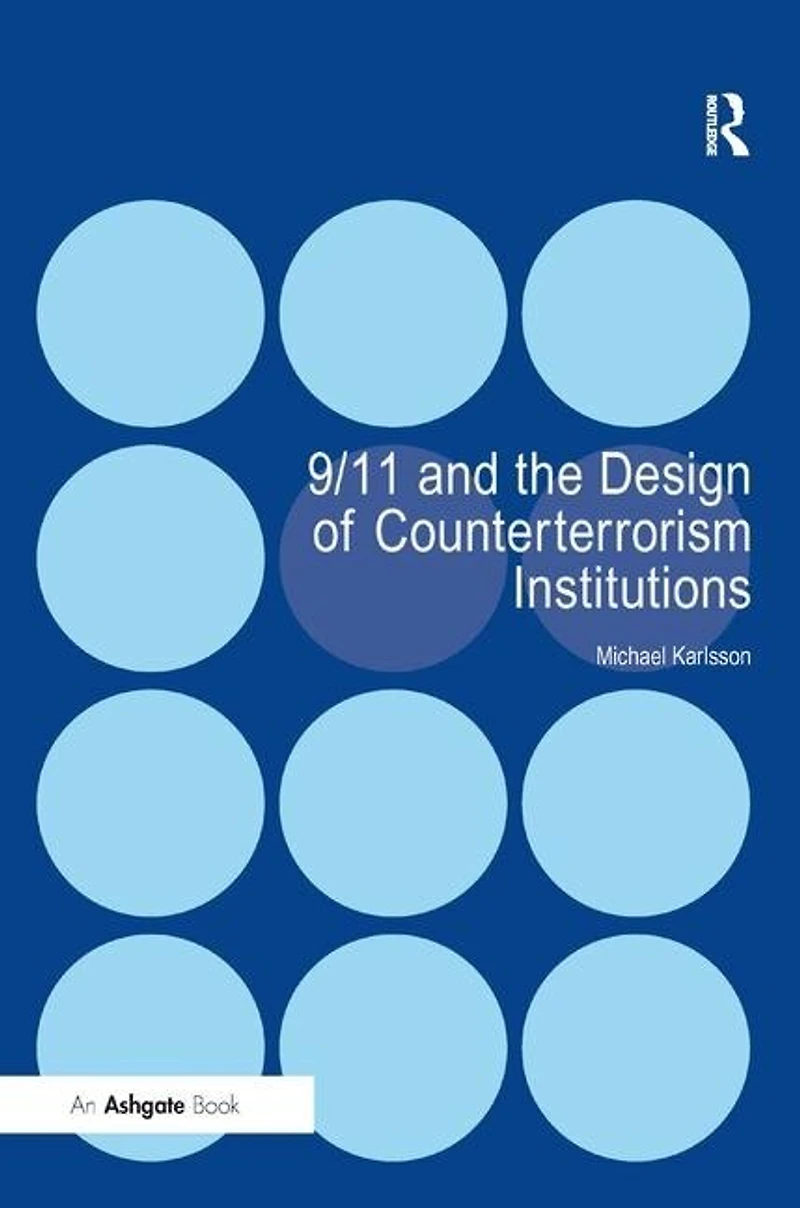

9/11 and the Design of Counterterrorism Institutions in Ottawa, ON
Current price: $224.00

9/11 and the Design of Counterterrorism Institutions in Ottawa, ON
Current price: $224.00
Loading Inventory...
Size: Hardcover
*Product information may vary - to confirm product availability, pricing, shipping and return information please contact Coles
How did the North European states react to the terrorist attacks in the United States on September 11, 2001? Michael Karlsson argues that 9/11 led to a considerable pressure to strengthen rules and practices for counterterrorism and security, but that this pressure was mediated by several other conditions. The reforms were also affected by, among other things, how the threat of global terrorism was perceived, pressure from international institutions such as the UN, EU, and NATO, the domestic political context, and pre-existing rules and practices. His analysis uses the new institutionalism framework, tested through case studies of Denmark, Sweden, Finland, Estonia, Latvia, and Lithuania. The book offers a unique lens on the study of counterterrorism from a new theoretical and regional perspective.
How did the North European states react to the terrorist attacks in the United States on September 11, 2001? Michael Karlsson argues that 9/11 led to a considerable pressure to strengthen rules and practices for counterterrorism and security, but that this pressure was mediated by several other conditions. The reforms were also affected by, among other things, how the threat of global terrorism was perceived, pressure from international institutions such as the UN, EU, and NATO, the domestic political context, and pre-existing rules and practices. His analysis uses the new institutionalism framework, tested through case studies of Denmark, Sweden, Finland, Estonia, Latvia, and Lithuania. The book offers a unique lens on the study of counterterrorism from a new theoretical and regional perspective.
You May Also Like





![A Theological Compend [microform]: Containing a System of Divinity, or, a Brief View of the Evidences, Doctrines, Morals and Institutions of Christianity Designed for the Benefit of Families, Bible Classes and Sunday Schools](https://cdn.mall.adeptmind.ai/https%253A%252F%252Fcdn.shopify.com%252Fs%252Ffiles%252F1%252F0655%252F8980%252F5233%252Ffiles%252F1_5eaf7882-49c2-4f67-8f55-86940bed8f20.jpg_medium.webp)








More About Coles at Bayshore Shopping Centre
Coles is renowned for its outstanding customer service and great selection of books. Along with the vast array of magazines, stationary, audio-books, children's literature, fiction, non-fiction and reference books, you can find accessories to make your reading experience more pleasurable. We can recommend the very best in reading today. We will help you search our titles for exactly what you need, and if we do not have it in stock, we will order it for you.
100 Bayshore Dr, Nepean, ON K2B 8C1, Canada
Find Coles at Bayshore Shopping Centre in Ottawa, ON
Visit Coles at Bayshore Shopping Centre in Ottawa, ON