

Give the Gift of Choice!
Too many options? Treat your friends and family to their favourite stores with a Bayshore Shopping Centre gift card, redeemable at participating retailers throughout the centre. Click below to purchase yours today!Purchase HereHome
A Balanced Epistemological Orientation for the Social Sciences
Coles
Loading Inventory...
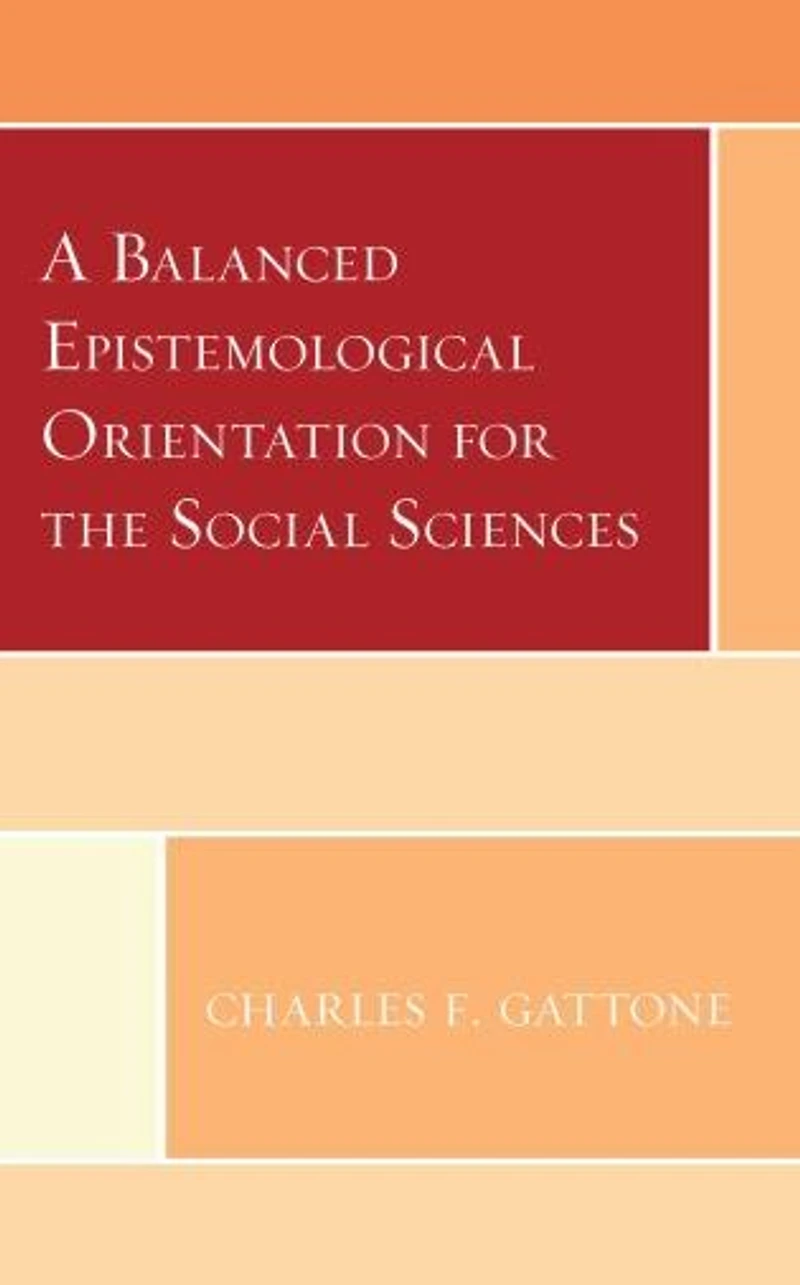
A Balanced Epistemological Orientation for the Social Sciences in Ottawa, ON
Current price: $160.95

A Balanced Epistemological Orientation for the Social Sciences in Ottawa, ON
Current price: $160.95
Loading Inventory...
Size: Hardcover
*Product information may vary - to confirm product availability, pricing, shipping and return information please contact Coles
A Balanced Epistemological Orientation for the Social Sciences challenges social researchers to rethink the epistemological assumptions grounding their work. It reviews the strengths and weaknesses of four salient epistemological orientations in the field - positivism, relativism, interpretivism, and intersubjectivism - to identify the characteristics of a theoretically-informed epistemology for social science. Relying on such an epistemology means seeking a deeper understanding of the social world without losing sight of the constructed nature of one's conceptual frames. It involves adopting a reflexive position with regard to the norms and traditions in one's area of specialization and in the field as a whole. Epistemologically-balanced social research is neither the dispassionate gathering of factual information, nor the elaboration of universal assessments formed on the basis of armchair speculation. It involves engaging in inquiry in an independent manner and being aware of the perspectival character of the claims being made in the attempt to shed new light on social phenomena. The caliber of social science can be elevated when researchers recognize the symbolic nature of their work and the significance of their conclusions in the larger social order.
A Balanced Epistemological Orientation for the Social Sciences challenges social researchers to rethink the epistemological assumptions grounding their work. It reviews the strengths and weaknesses of four salient epistemological orientations in the field - positivism, relativism, interpretivism, and intersubjectivism - to identify the characteristics of a theoretically-informed epistemology for social science. Relying on such an epistemology means seeking a deeper understanding of the social world without losing sight of the constructed nature of one's conceptual frames. It involves adopting a reflexive position with regard to the norms and traditions in one's area of specialization and in the field as a whole. Epistemologically-balanced social research is neither the dispassionate gathering of factual information, nor the elaboration of universal assessments formed on the basis of armchair speculation. It involves engaging in inquiry in an independent manner and being aware of the perspectival character of the claims being made in the attempt to shed new light on social phenomena. The caliber of social science can be elevated when researchers recognize the symbolic nature of their work and the significance of their conclusions in the larger social order.
You May Also Like













More About Coles at Bayshore Shopping Centre
Coles is renowned for its outstanding customer service and great selection of books. Along with the vast array of magazines, stationary, audio-books, children's literature, fiction, non-fiction and reference books, you can find accessories to make your reading experience more pleasurable. We can recommend the very best in reading today. We will help you search our titles for exactly what you need, and if we do not have it in stock, we will order it for you.
100 Bayshore Dr, Nepean, ON K2B 8C1, Canada
Find Coles at Bayshore Shopping Centre in Ottawa, ON
Visit Coles at Bayshore Shopping Centre in Ottawa, ON