

Give the Gift of Choice!
Too many options? Treat your friends and family to their favourite stores with a Bayshore Shopping Centre gift card, redeemable at participating retailers throughout the centre. Click below to purchase yours today!Purchase HereHome
a Brilliant Commodity: Diamonds and Jews Modern Setting
Coles
Loading Inventory...
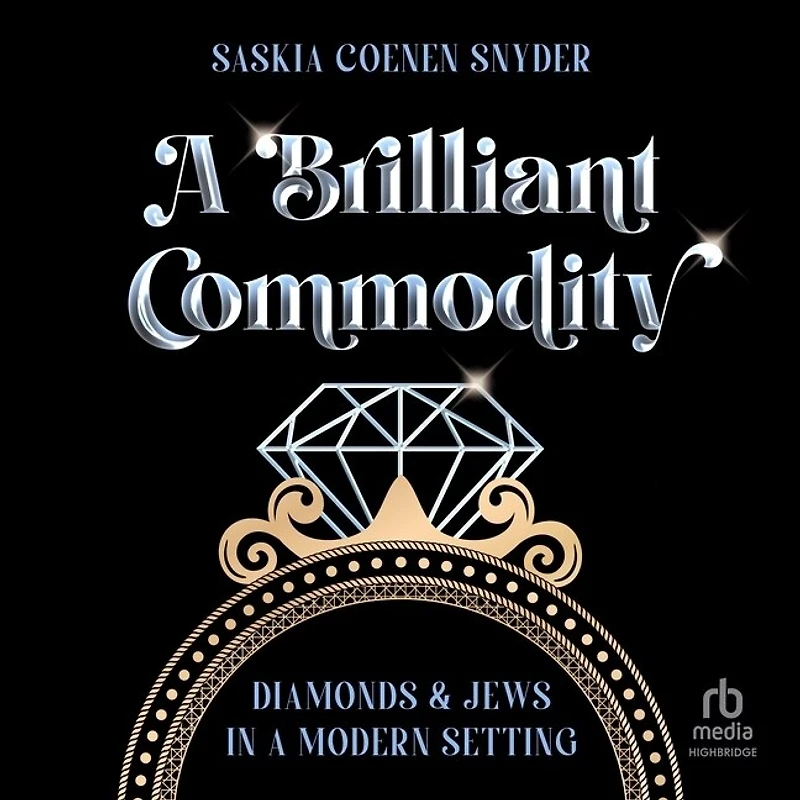
a Brilliant Commodity: Diamonds and Jews Modern Setting in Ottawa, ON
Current price: $59.95

a Brilliant Commodity: Diamonds and Jews Modern Setting in Ottawa, ON
Current price: $59.95
Loading Inventory...
Size: Audiobook (2022 A)
*Product information may vary - to confirm product availability, pricing, shipping and return information please contact Coles
During the late nineteenth century, tens of thousands of diggers, prospectors, merchants, and dealers extracted and shipped over 50 million carats of diamonds from South Africa to London. The primary supplier to the world, South Africa's diamond fields became one of the formative sites of modern capitalist production. At each stage of the diamond's route through the British empire and beyond—from Cape Town to London, from Amsterdam to New York City—carbon gems were primarily mined, processed, appraised, and sold by Jews. In A Brilliant Commodity , historian Saskia Coenen Snyder traces how once-peripheral Jewish populations became the central architects of a new, global exchange of diamonds. Centuries of restrictions had limited Jews to trade and finance, businesses that often heavily relied on internal networks. Jews were well-positioned to become key players in the earliest stage of the diamond trade and its growth into a global industry. Relying on mercantile and familial ties across continents, Jews created a highly successful commodity chain that included buyers, brokers, cutters, factory owners, financiers, and retailers. Working within a diasporic ethnic community that bridged city and countryside, metropole and colony, Jews helped build a flourishing diamond industry and a place for themselves in the modern world.
During the late nineteenth century, tens of thousands of diggers, prospectors, merchants, and dealers extracted and shipped over 50 million carats of diamonds from South Africa to London. The primary supplier to the world, South Africa's diamond fields became one of the formative sites of modern capitalist production. At each stage of the diamond's route through the British empire and beyond—from Cape Town to London, from Amsterdam to New York City—carbon gems were primarily mined, processed, appraised, and sold by Jews. In A Brilliant Commodity , historian Saskia Coenen Snyder traces how once-peripheral Jewish populations became the central architects of a new, global exchange of diamonds. Centuries of restrictions had limited Jews to trade and finance, businesses that often heavily relied on internal networks. Jews were well-positioned to become key players in the earliest stage of the diamond trade and its growth into a global industry. Relying on mercantile and familial ties across continents, Jews created a highly successful commodity chain that included buyers, brokers, cutters, factory owners, financiers, and retailers. Working within a diasporic ethnic community that bridged city and countryside, metropole and colony, Jews helped build a flourishing diamond industry and a place for themselves in the modern world.
You May Also Like
















More About Coles at Bayshore Shopping Centre
Coles is renowned for its outstanding customer service and great selection of books. Along with the vast array of magazines, stationary, audio-books, children's literature, fiction, non-fiction and reference books, you can find accessories to make your reading experience more pleasurable. We can recommend the very best in reading today. We will help you search our titles for exactly what you need, and if we do not have it in stock, we will order it for you.
100 Bayshore Dr, Nepean, ON K2B 8C1, Canada
Find Coles at Bayshore Shopping Centre in Ottawa, ON
Visit Coles at Bayshore Shopping Centre in Ottawa, ON