

Give the Gift of Choice!
Too many options? Treat your friends and family to their favourite stores with a Bayshore Shopping Centre gift card, redeemable at participating retailers throughout the centre. Click below to purchase yours today!Purchase HereHome
A City Cannot Be a Work of Art: Learning Economics and Social Theory From Jane Jacobs
Coles
Loading Inventory...
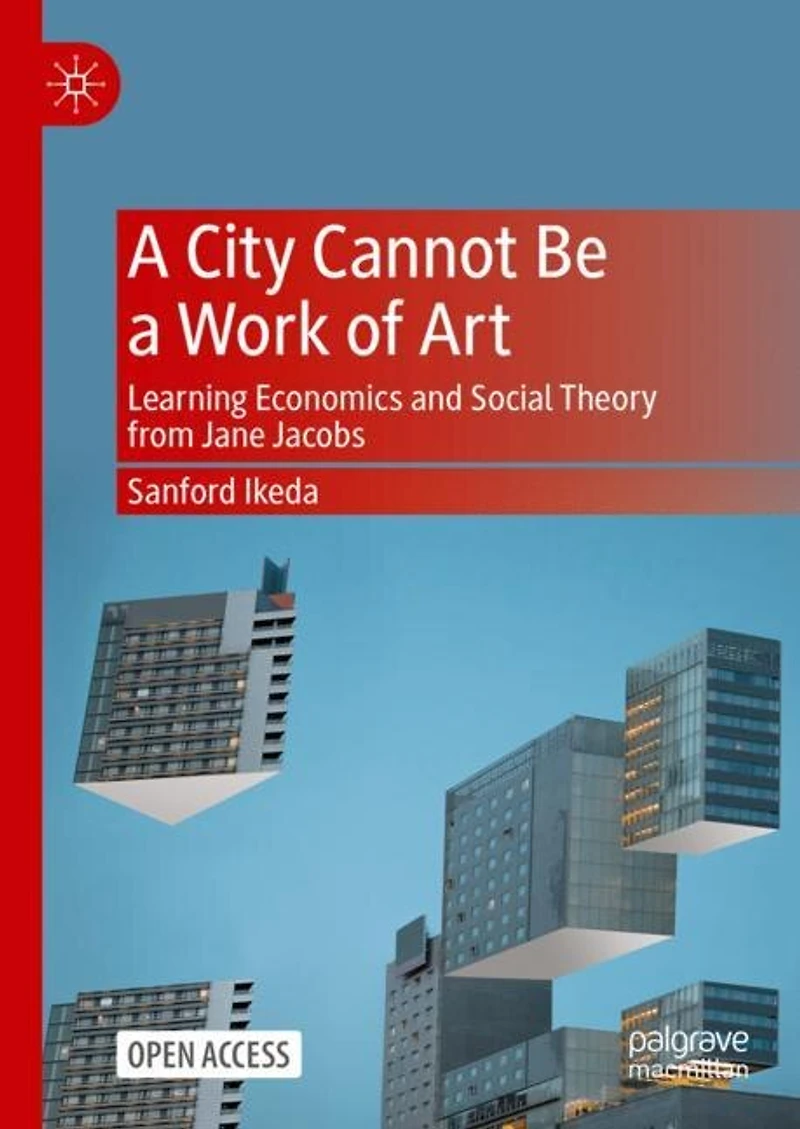
A City Cannot Be a Work of Art: Learning Economics and Social Theory From Jane Jacobs in Ottawa, ON
Current price: $87.95

A City Cannot Be a Work of Art: Learning Economics and Social Theory From Jane Jacobs in Ottawa, ON
Current price: $87.95
Loading Inventory...
Size: Hardcover
*Product information may vary - to confirm product availability, pricing, shipping and return information please contact Coles
This open access book connects Jane Jacobs's celebrated urban analysis to her ideas on economics and social theory. While Jacobs is a legend in the field of urbanism and famous for challenging and profoundly influencing urban planning and design, her theoretical contributions - although central to her criticisms of and proposals for public policy - are frequently overlooked even by her most enthusiastic admirers. This book argues that Jacobs's insight that "a city cannot be a work of art" underlies both her ideas on planning and her understanding of economic development and social cooperation. It shows how the theory of the market process and Jacobs's theory of urban processes are useful complements - an example of what economists and urbanists can learn from each other. This Jacobs-cum-market-process perspective offers new theoretical, historical, and policy analyses of cities, more realistic and coherent than standard accounts by either economists or urbanists.
This open access book connects Jane Jacobs's celebrated urban analysis to her ideas on economics and social theory. While Jacobs is a legend in the field of urbanism and famous for challenging and profoundly influencing urban planning and design, her theoretical contributions - although central to her criticisms of and proposals for public policy - are frequently overlooked even by her most enthusiastic admirers. This book argues that Jacobs's insight that "a city cannot be a work of art" underlies both her ideas on planning and her understanding of economic development and social cooperation. It shows how the theory of the market process and Jacobs's theory of urban processes are useful complements - an example of what economists and urbanists can learn from each other. This Jacobs-cum-market-process perspective offers new theoretical, historical, and policy analyses of cities, more realistic and coherent than standard accounts by either economists or urbanists.
You May Also Like













More About Coles at Bayshore Shopping Centre
Coles is renowned for its outstanding customer service and great selection of books. Along with the vast array of magazines, stationary, audio-books, children's literature, fiction, non-fiction and reference books, you can find accessories to make your reading experience more pleasurable. We can recommend the very best in reading today. We will help you search our titles for exactly what you need, and if we do not have it in stock, we will order it for you.
100 Bayshore Dr, Nepean, ON K2B 8C1, Canada
Find Coles at Bayshore Shopping Centre in Ottawa, ON
Visit Coles at Bayshore Shopping Centre in Ottawa, ON