

Give the Gift of Choice!
Too many options? Treat your friends and family to their favourite stores with a Bayshore Shopping Centre gift card, redeemable at participating retailers throughout the centre. Click below to purchase yours today!Purchase HereHome
A Colonial Plantation Cookbook: The Receipt Book of Harriott Pinckney Horry, 1770
Coles
Loading Inventory...
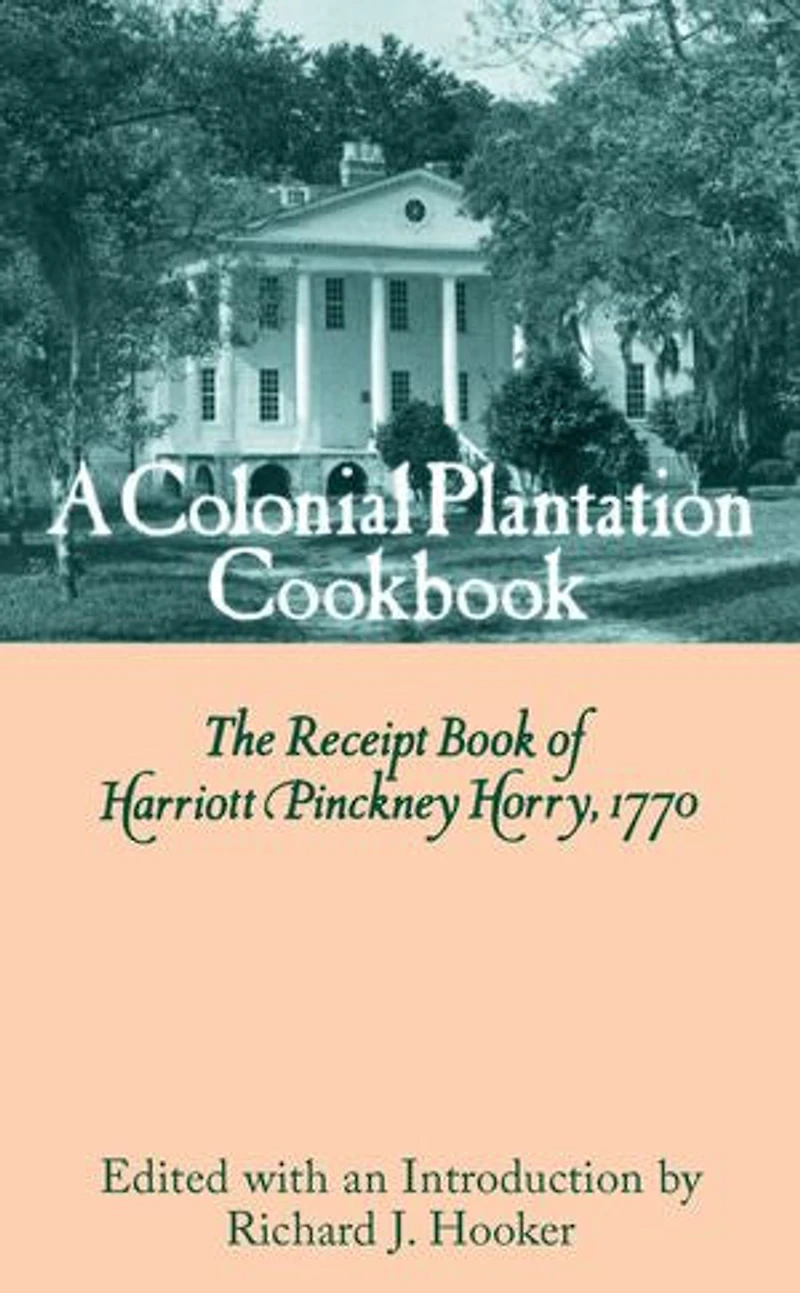
A Colonial Plantation Cookbook: The Receipt Book of Harriott Pinckney Horry, 1770 in Ottawa, ON
Current price: $17.99
Original price: $21.99

A Colonial Plantation Cookbook: The Receipt Book of Harriott Pinckney Horry, 1770 in Ottawa, ON
Current price: $17.99
Original price: $21.99
Loading Inventory...
Size: Kobo eBook
*Product information may vary - to confirm product availability, pricing, shipping and return information please contact Coles
"A charming compilation of eighteenth-century recipes . . . a well-researched account of Mrs. Horry's fascinating life-style." — The North Carolina Historical Review
Harriott Pinckney Horry began her receipt book more than two hundred years ago. It is being published now for the first time.
You will get a lively sense of what colonial plantation life was like from reading Harriott's receipt book. She began it in 1770, shortly after she was married, writing recipes and household information in a notebook. Her recipes reflect both English and French culinary traditions. You will recognize in the recipes the origins of some of your contemporary favorites.
Harriott writes also about keeping the dairy and smokehouse, how to dye clothes, what to do about insects, how to care for trees and crops, and how to make soap, all skills she learned in the course of managing the plantation after her husband's early death.
From Harriott's writing and Hooker's knowledgeable introduction and editorial notes, you will learn what it was like to be well-to-do and a member of Southern aristocracy, living in a world of rice and indigo planters, merchants, lawyers, and politicians—the colonial elite. Because knowing about food preferences and eating habits of any people expands our understanding of their nature and times, the receipt book of Harriott Pinckney Horry opens another window on the history of colonial plantations.
"Gives us a very good idea of the household's prize dishes." — The Washington Post
"Cookbook collectors will love it and even readers who don't enter the kitchen will find it entertaining." — The Charleston Evening Post
"A charming compilation of eighteenth-century recipes . . . a well-researched account of Mrs. Horry's fascinating life-style." — The North Carolina Historical Review
Harriott Pinckney Horry began her receipt book more than two hundred years ago. It is being published now for the first time.
You will get a lively sense of what colonial plantation life was like from reading Harriott's receipt book. She began it in 1770, shortly after she was married, writing recipes and household information in a notebook. Her recipes reflect both English and French culinary traditions. You will recognize in the recipes the origins of some of your contemporary favorites.
Harriott writes also about keeping the dairy and smokehouse, how to dye clothes, what to do about insects, how to care for trees and crops, and how to make soap, all skills she learned in the course of managing the plantation after her husband's early death.
From Harriott's writing and Hooker's knowledgeable introduction and editorial notes, you will learn what it was like to be well-to-do and a member of Southern aristocracy, living in a world of rice and indigo planters, merchants, lawyers, and politicians—the colonial elite. Because knowing about food preferences and eating habits of any people expands our understanding of their nature and times, the receipt book of Harriott Pinckney Horry opens another window on the history of colonial plantations.
"Gives us a very good idea of the household's prize dishes." — The Washington Post
"Cookbook collectors will love it and even readers who don't enter the kitchen will find it entertaining." — The Charleston Evening Post
You May Also Like










More About Coles at Bayshore Shopping Centre
Coles is renowned for its outstanding customer service and great selection of books. Along with the vast array of magazines, stationary, audio-books, children's literature, fiction, non-fiction and reference books, you can find accessories to make your reading experience more pleasurable. We can recommend the very best in reading today. We will help you search our titles for exactly what you need, and if we do not have it in stock, we will order it for you.
100 Bayshore Dr, Nepean, ON K2B 8C1, Canada
Find Coles at Bayshore Shopping Centre in Ottawa, ON
Visit Coles at Bayshore Shopping Centre in Ottawa, ON