

Give the Gift of Choice!
Too many options? Treat your friends and family to their favourite stores with a Bayshore Shopping Centre gift card, redeemable at participating retailers throughout the centre. Click below to purchase yours today!Purchase HereHome
A Commentary on Ramsay MacDonald’s Political Writings
Coles
Loading Inventory...
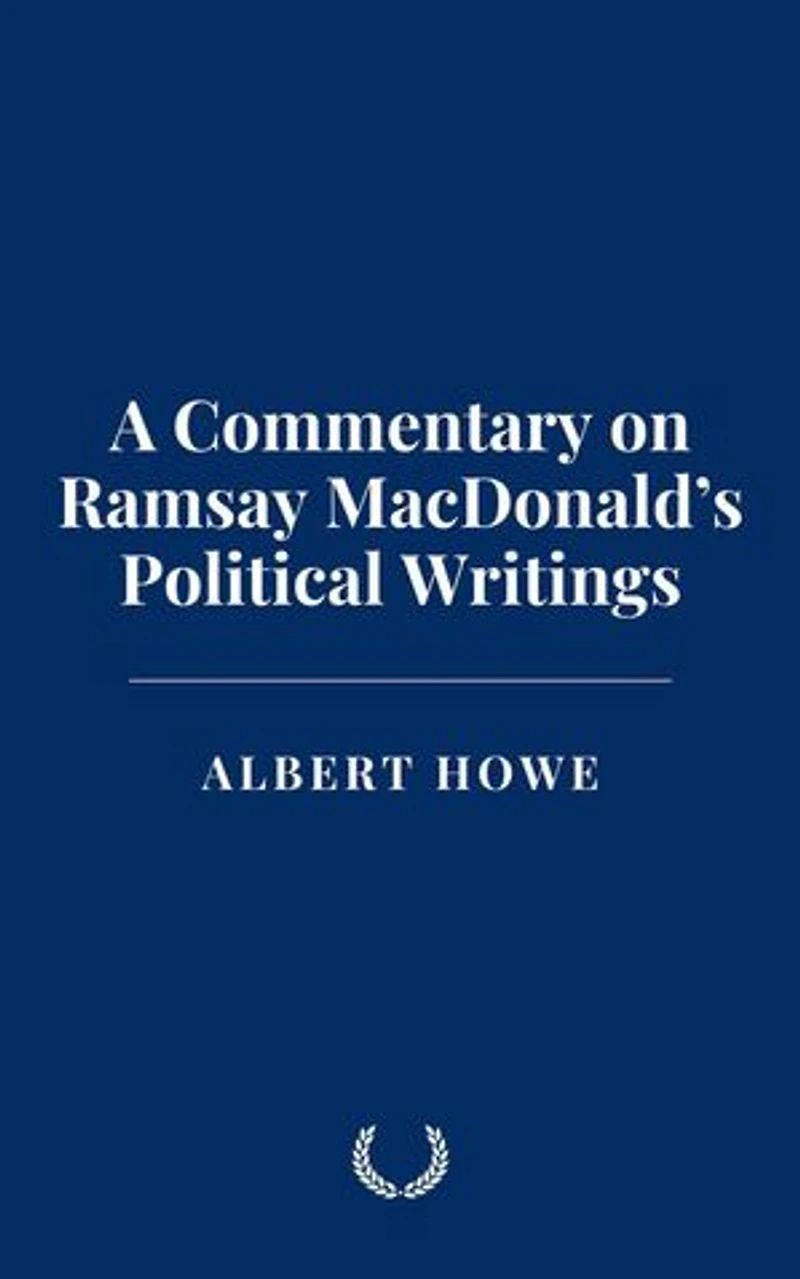
A Commentary on Ramsay MacDonald’s Political Writings in Ottawa, ON
Current price: $4.99

A Commentary on Ramsay MacDonald’s Political Writings in Ottawa, ON
Current price: $4.99
Loading Inventory...
Size: Kobo eBook
*Product information may vary - to confirm product availability, pricing, shipping and return information please contact Coles
This book offers an in-depth analysis of Ramsay MacDonald's political writings, focusing on his contributions to British socialism, his leadership of the Labour Party, and his lasting impact on social democratic thought. Through a series of twenty chapters, the book explores MacDonald's early life, intellectual influences, and the ideological framework that shaped his political career. It delves into his commitment to gradual, democratic socialism, emphasizing his belief in state intervention to promote social justice, his critique of imperialism, and his moral vision for a fairer society. The book also examines MacDonald's complex relationship with the Labour Party, his leadership during critical moments, such as the formation of the National Government in 1931, and the tensions between idealism and political pragmatism that defined his career.
The text highlights MacDonald's advocacy for diplomacy and international cooperation, his support for social welfare reforms, and his belief in the moral responsibility of the state to care for the most vulnerable. Throughout, the book assesses how MacDonald's writings offer important lessons for contemporary political thought, particularly in the context of global challenges like economic inequality, climate change, and international conflict. The analysis draws on primary sources, including MacDonald's speeches, writings, and correspondence, to provide a nuanced view of his intellectual contributions, political decisions, and the legacy he left behind in shaping the future of social democracy. Ultimately, this book reassesses MacDonald's place in history, acknowledging both his achievements and the controversies surrounding his career, while emphasizing his enduring influence on progressive political movements today.
This book offers an in-depth analysis of Ramsay MacDonald's political writings, focusing on his contributions to British socialism, his leadership of the Labour Party, and his lasting impact on social democratic thought. Through a series of twenty chapters, the book explores MacDonald's early life, intellectual influences, and the ideological framework that shaped his political career. It delves into his commitment to gradual, democratic socialism, emphasizing his belief in state intervention to promote social justice, his critique of imperialism, and his moral vision for a fairer society. The book also examines MacDonald's complex relationship with the Labour Party, his leadership during critical moments, such as the formation of the National Government in 1931, and the tensions between idealism and political pragmatism that defined his career.
The text highlights MacDonald's advocacy for diplomacy and international cooperation, his support for social welfare reforms, and his belief in the moral responsibility of the state to care for the most vulnerable. Throughout, the book assesses how MacDonald's writings offer important lessons for contemporary political thought, particularly in the context of global challenges like economic inequality, climate change, and international conflict. The analysis draws on primary sources, including MacDonald's speeches, writings, and correspondence, to provide a nuanced view of his intellectual contributions, political decisions, and the legacy he left behind in shaping the future of social democracy. Ultimately, this book reassesses MacDonald's place in history, acknowledging both his achievements and the controversies surrounding his career, while emphasizing his enduring influence on progressive political movements today.
You May Also Like














More About Coles at Bayshore Shopping Centre
Coles is renowned for its outstanding customer service and great selection of books. Along with the vast array of magazines, stationary, audio-books, children's literature, fiction, non-fiction and reference books, you can find accessories to make your reading experience more pleasurable. We can recommend the very best in reading today. We will help you search our titles for exactly what you need, and if we do not have it in stock, we will order it for you.
100 Bayshore Dr, Nepean, ON K2B 8C1, Canada
Find Coles at Bayshore Shopping Centre in Ottawa, ON
Visit Coles at Bayshore Shopping Centre in Ottawa, ON