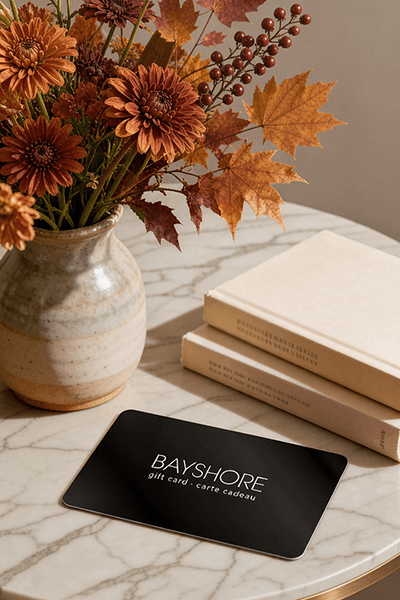
Too many options? Treat your friends and family to their favourite stores with a Bayshore Shopping Centre gift card, redeemable at participating retailers throughout the centre. Click below to purchase yours today!Purchase Here
Coles A Comparative History of Motor Fuels Taxation, 1909-2009: Why Gasoline Is Cheap and Petrol Dear at Bayshore Shopping Centre in Ottawa, ON
*Product information may vary - to confirm product availability, pricing, shipping and return information please contact Coles
Slowing down global warming is one of the most critical problems facing the world's policymakers today. One favored solution is to regulate carbon consumption through taxation, including the taxation of gasoline. Yet gasoline tax levels are much lower in the United States than elsewhere. Why is this so, and what does it tell us about the prospects for taxing carbon here? A Comparative History of Motor Fuels Taxation, 1909-2009: Why Gasoline Is Cheap and Petrol Is Dear examines these questions by tracing the evolution of gasoline tax policies in the United States, Germany, the United Kingdom, and New Zealand since the early twentieth century. In the process, it highlights the crucial role played by fiscal crises.
Slowing down global warming is one of the most critical problems facing the world's policymakers today. One favored solution is to regulate carbon consumption through taxation, including the taxation of gasoline. Yet gasoline tax levels are much lower in the United States than elsewhere. Why is this so, and what does it tell us about the prospects for taxing carbon here? A Comparative History of Motor Fuels Taxation, 1909-2009: Why Gasoline Is Cheap and Petrol Is Dear examines these questions by tracing the evolution of gasoline tax policies in the United States, Germany, the United Kingdom, and New Zealand since the early twentieth century. In the process, it highlights the crucial role played by fiscal crises.
Coles is renowned for its outstanding customer service and great selection of books. Along with the vast array of magazines, stationary, audio-books, children's literature, fiction, non-fiction and reference books, you can find accessories to make your reading experience more pleasurable. We can recommend the very best in reading today. We will help you search our titles for exactly what you need, and if we do not have it in stock, we will order it for you.