

Give the Gift of Choice!
Too many options? Treat your friends and family to their favourite stores with a Bayshore Shopping Centre gift card, redeemable at participating retailers throughout the centre. Click below to purchase yours today!Purchase HereHome
A Cultural History Of Medical Vitalism Enlightenment Montpellier
Coles
Loading Inventory...

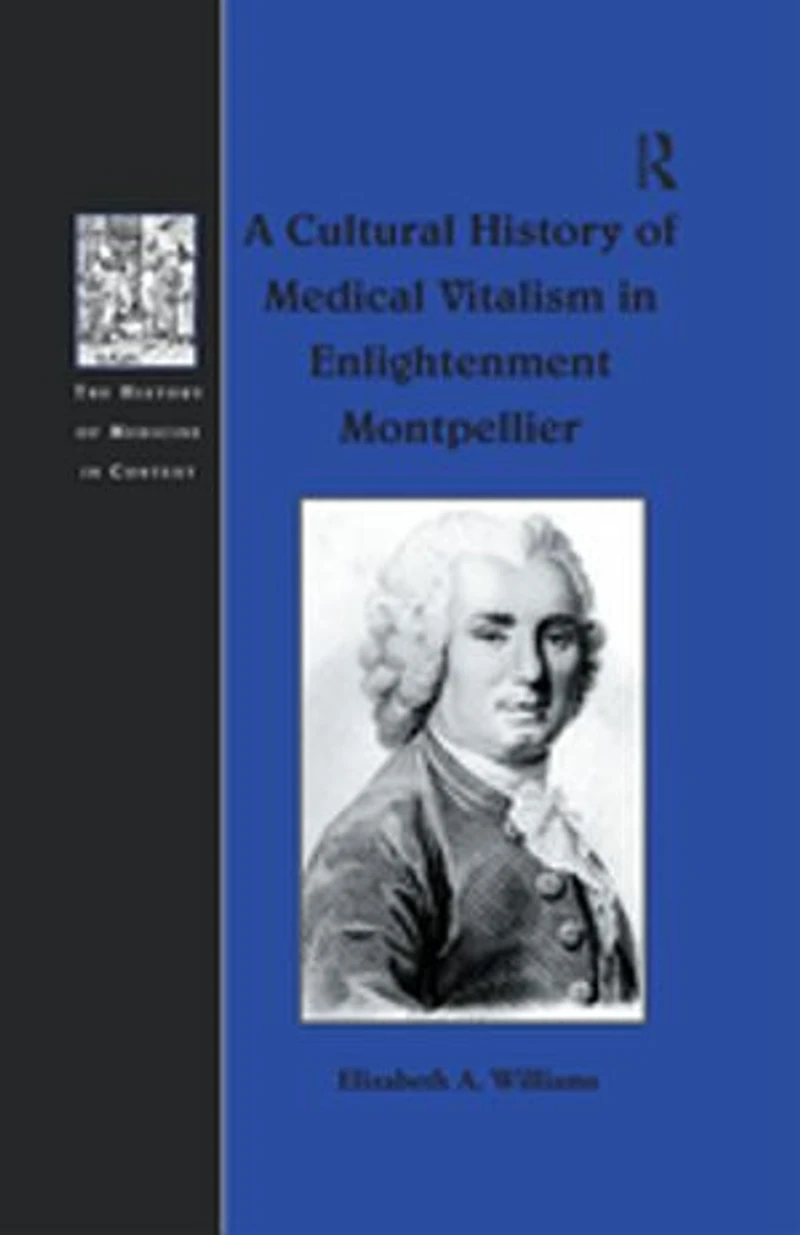
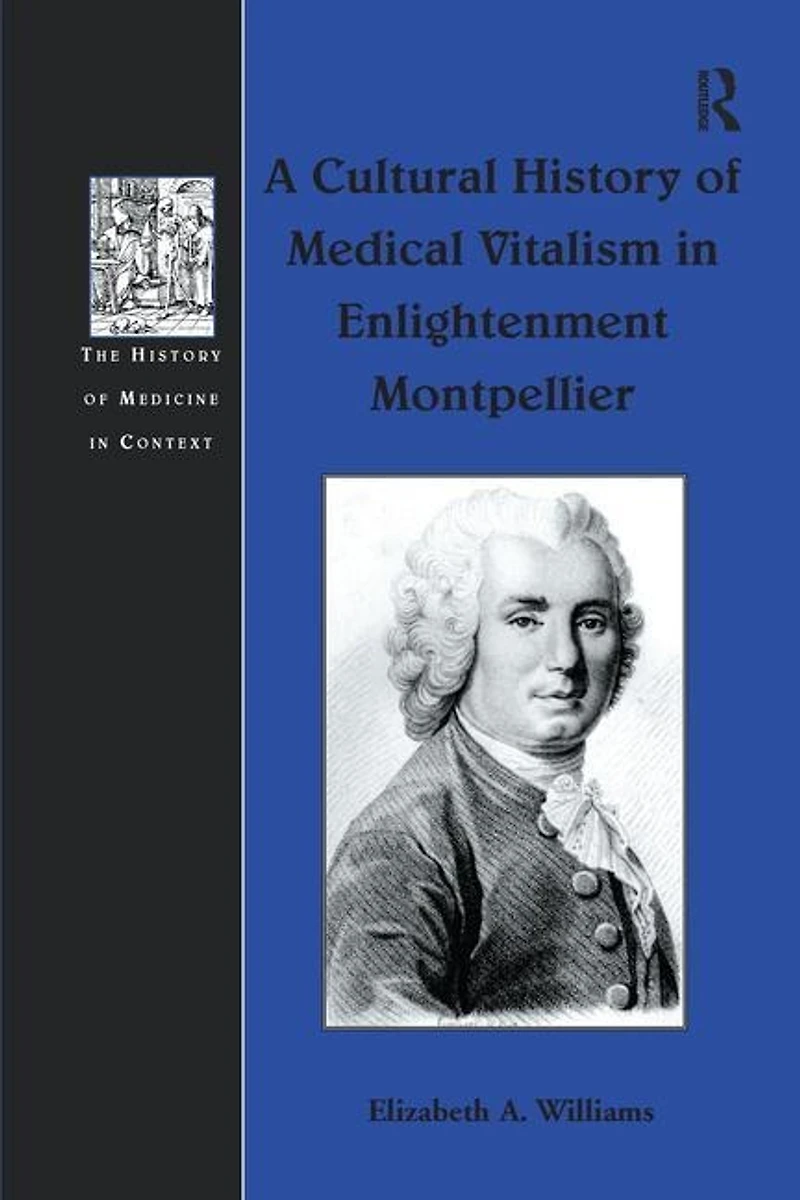
A Cultural History Of Medical Vitalism Enlightenment Montpellier in Ottawa, ON
By None
Current price: $231.00

By None
A Cultural History Of Medical Vitalism Enlightenment Montpellier in Ottawa, ON
Current price: $231.00
Loading Inventory...
Size: Hardcover
*Product information may vary - to confirm product availability, pricing, shipping and return information please contact Coles
One of the key themes of the Enlightenment was the search for universal laws and truths that would help illuminate the workings of the universe. It is in such attitudes that we trace the origins of modern science and medicine. However, not all eighteenth century scientists and physicians believed that such universal laws could be found, particularly in relation to the differences between living and inanimate matter. From the 1740s physicians working in the University of Medicine of Montpellier began to contest Descartes's dualist concept of the body-machine that was being championed by leading Parisian medical 'mechanists'. In place of the body-machine perspective that sought laws universally valid for all phenomena, the vitalists postulated a distinction being living and other matter, offering a holistic understanding of the physical-moral relation in place of mind-body dualism. Their medicine was not based on mathematics and the unity of the sciences, but on observation of the individual patient and the harmonious activities of the 'body-economy'. Vitalists believed that Illness was a result of disharmony in this 'body-economy' which could only be remedied on an individual level depending on the patient's own 'natural' limitations. The limitations were established by a myriad of factors such as sex, class, age, temperament, region, and race, which negated the use of a single universal treatment for a particular ailment. Ultimately Montpelier medicine was eclipsed by that of Paris, a development linked to the dynamics of the Enlightenment as a movement bent on cultural centralisation, acquiring a reputation as a kind of anti-science of the exotic and the mad. Given the long-standing Paris-centrism of French cultural history, Montpellier vitalism has never been accorded the attention it deserves by historians. This study repairs that neglect.
One of the key themes of the Enlightenment was the search for universal laws and truths that would help illuminate the workings of the universe. It is in such attitudes that we trace the origins of modern science and medicine. However, not all eighteenth century scientists and physicians believed that such universal laws could be found, particularly in relation to the differences between living and inanimate matter. From the 1740s physicians working in the University of Medicine of Montpellier began to contest Descartes's dualist concept of the body-machine that was being championed by leading Parisian medical 'mechanists'. In place of the body-machine perspective that sought laws universally valid for all phenomena, the vitalists postulated a distinction being living and other matter, offering a holistic understanding of the physical-moral relation in place of mind-body dualism. Their medicine was not based on mathematics and the unity of the sciences, but on observation of the individual patient and the harmonious activities of the 'body-economy'. Vitalists believed that Illness was a result of disharmony in this 'body-economy' which could only be remedied on an individual level depending on the patient's own 'natural' limitations. The limitations were established by a myriad of factors such as sex, class, age, temperament, region, and race, which negated the use of a single universal treatment for a particular ailment. Ultimately Montpelier medicine was eclipsed by that of Paris, a development linked to the dynamics of the Enlightenment as a movement bent on cultural centralisation, acquiring a reputation as a kind of anti-science of the exotic and the mad. Given the long-standing Paris-centrism of French cultural history, Montpellier vitalism has never been accorded the attention it deserves by historians. This study repairs that neglect.
You May Also Like











More About Coles at Bayshore Shopping Centre
Coles is renowned for its outstanding customer service and great selection of books. Along with the vast array of magazines, stationary, audio-books, children's literature, fiction, non-fiction and reference books, you can find accessories to make your reading experience more pleasurable. We can recommend the very best in reading today. We will help you search our titles for exactly what you need, and if we do not have it in stock, we will order it for you.
100 Bayshore Dr, Nepean, ON K2B 8C1, Canada
Find Coles at Bayshore Shopping Centre in Ottawa, ON
Visit Coles at Bayshore Shopping Centre in Ottawa, ON