

Give the Gift of Choice!
Too many options? Treat your friends and family to their favourite stores with a Bayshore Shopping Centre gift card, redeemable at participating retailers throughout the centre. Click below to purchase yours today!Purchase HereHome
A Cultural History of Tragedy the Age Empire
Coles
Loading Inventory...
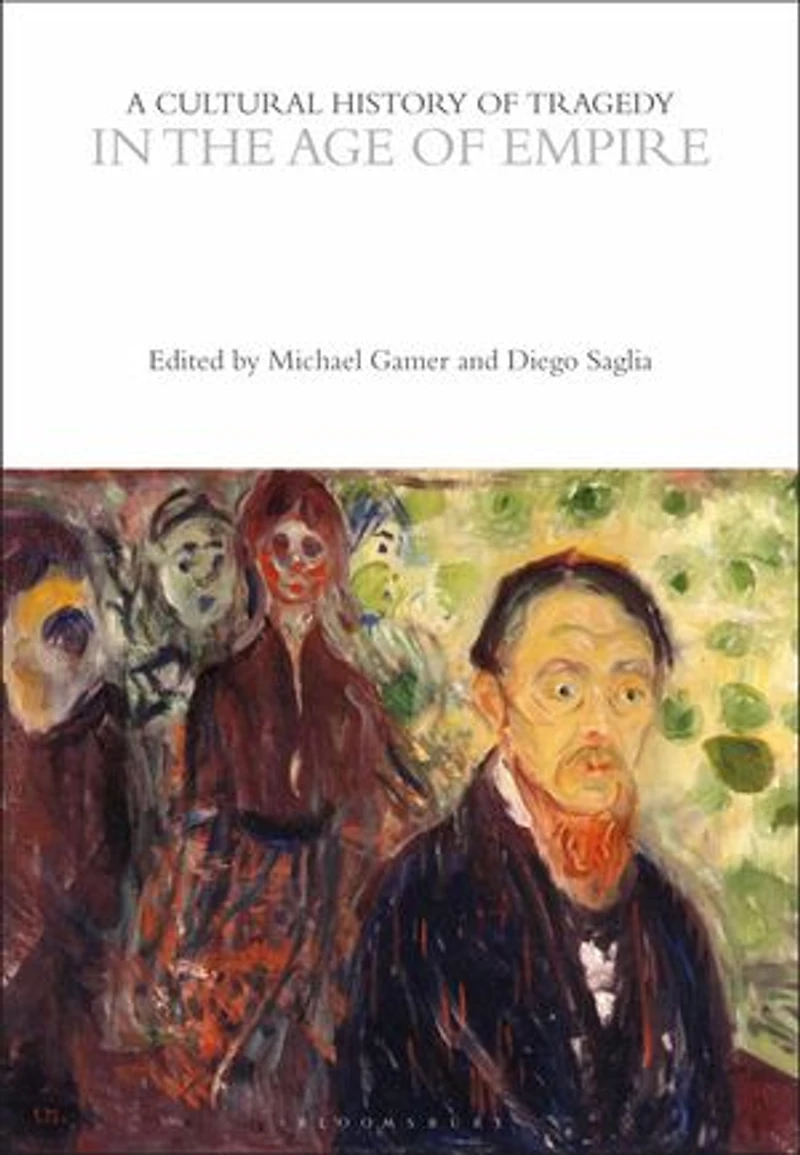
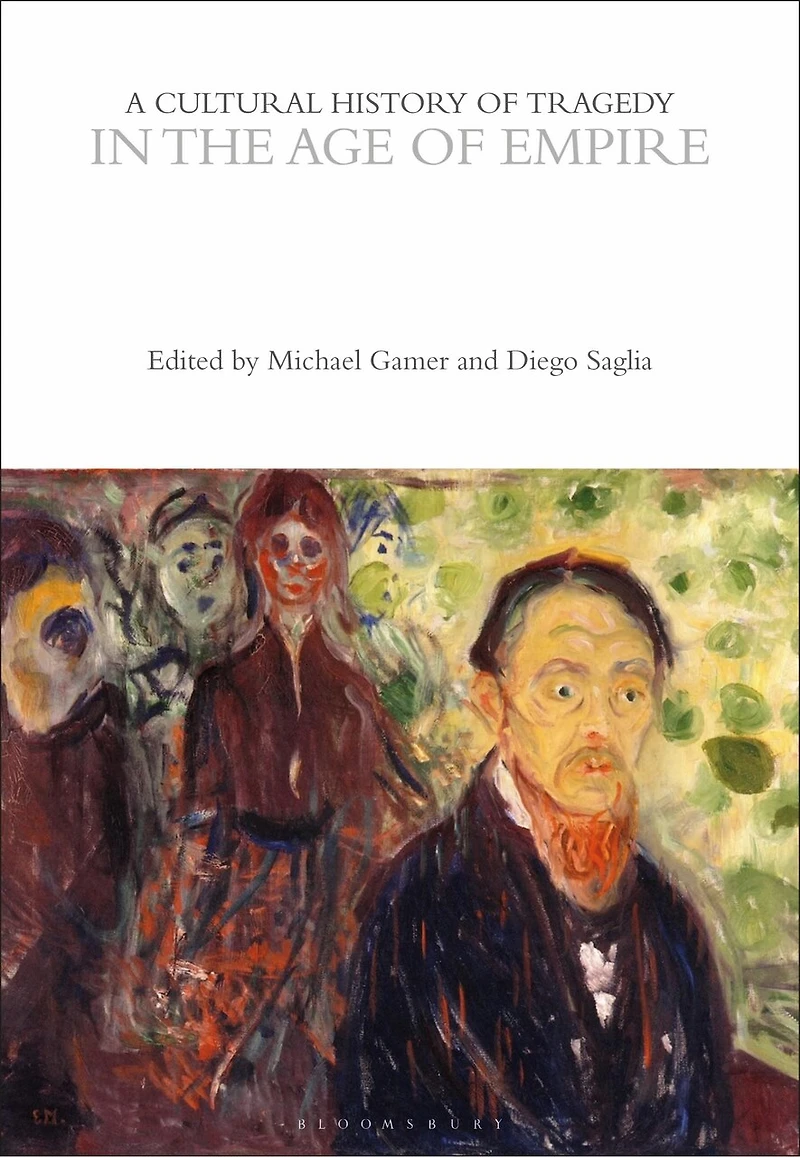
A Cultural History of Tragedy the Age Empire in Ottawa, ON
By None
Current price: $38.89
Original price: $48.55

By None
A Cultural History of Tragedy the Age Empire in Ottawa, ON
Current price: $38.89
Original price: $48.55
Loading Inventory...
Size: Kobo eBook
*Product information may vary - to confirm product availability, pricing, shipping and return information please contact Coles
This volume traces a path across the metamorphoses of tragedy and the tragic in Western cultures during the bourgeois age of nations, revolutions, and empires, roughly delimited by the French Revolution and the First World War. Its starting point is the recognition that tragedy did not die with Romanticism, as George Steiner famously argued over half a century ago, but rather mutated and dispersed, converging into a variety of unstable, productive forms both on the stage and off. In turn, the tragic as a concept and mode transformed itself under the pressure of multiple social, historical and political-ideological phenomena. This volume therefore deploys a narrative centred on hybridization extending across media, genres, demographics, faiths both religious and secular, and national boundaries. The essays also tell a story of how tragedy and the tragic offered multiple means of capturing the increasingly fragmented perception of reality and history that emerged in the 19th century. Each chapter takes a different theme as its focus: forms and media; sites of performance and circulation; communities of production and consumption; philosophy and social theory; religion, ritual and myth; politics of city and nation; society and family, and gender and sexuality.
This volume traces a path across the metamorphoses of tragedy and the tragic in Western cultures during the bourgeois age of nations, revolutions, and empires, roughly delimited by the French Revolution and the First World War. Its starting point is the recognition that tragedy did not die with Romanticism, as George Steiner famously argued over half a century ago, but rather mutated and dispersed, converging into a variety of unstable, productive forms both on the stage and off. In turn, the tragic as a concept and mode transformed itself under the pressure of multiple social, historical and political-ideological phenomena. This volume therefore deploys a narrative centred on hybridization extending across media, genres, demographics, faiths both religious and secular, and national boundaries. The essays also tell a story of how tragedy and the tragic offered multiple means of capturing the increasingly fragmented perception of reality and history that emerged in the 19th century. Each chapter takes a different theme as its focus: forms and media; sites of performance and circulation; communities of production and consumption; philosophy and social theory; religion, ritual and myth; politics of city and nation; society and family, and gender and sexuality.
You May Also Like








More About Coles at Bayshore Shopping Centre
Coles is renowned for its outstanding customer service and great selection of books. Along with the vast array of magazines, stationary, audio-books, children's literature, fiction, non-fiction and reference books, you can find accessories to make your reading experience more pleasurable. We can recommend the very best in reading today. We will help you search our titles for exactly what you need, and if we do not have it in stock, we will order it for you.
100 Bayshore Dr, Nepean, ON K2B 8C1, Canada
Find Coles at Bayshore Shopping Centre in Ottawa, ON
Visit Coles at Bayshore Shopping Centre in Ottawa, ON