

Give the Gift of Choice!
Too many options? Treat your friends and family to their favourite stores with a Bayshore Shopping Centre gift card, redeemable at participating retailers throughout the centre. Click below to purchase yours today!Purchase HereHome
A Cybernetic View of Biological Growth: The Maia Hypothesis
Coles
Loading Inventory...
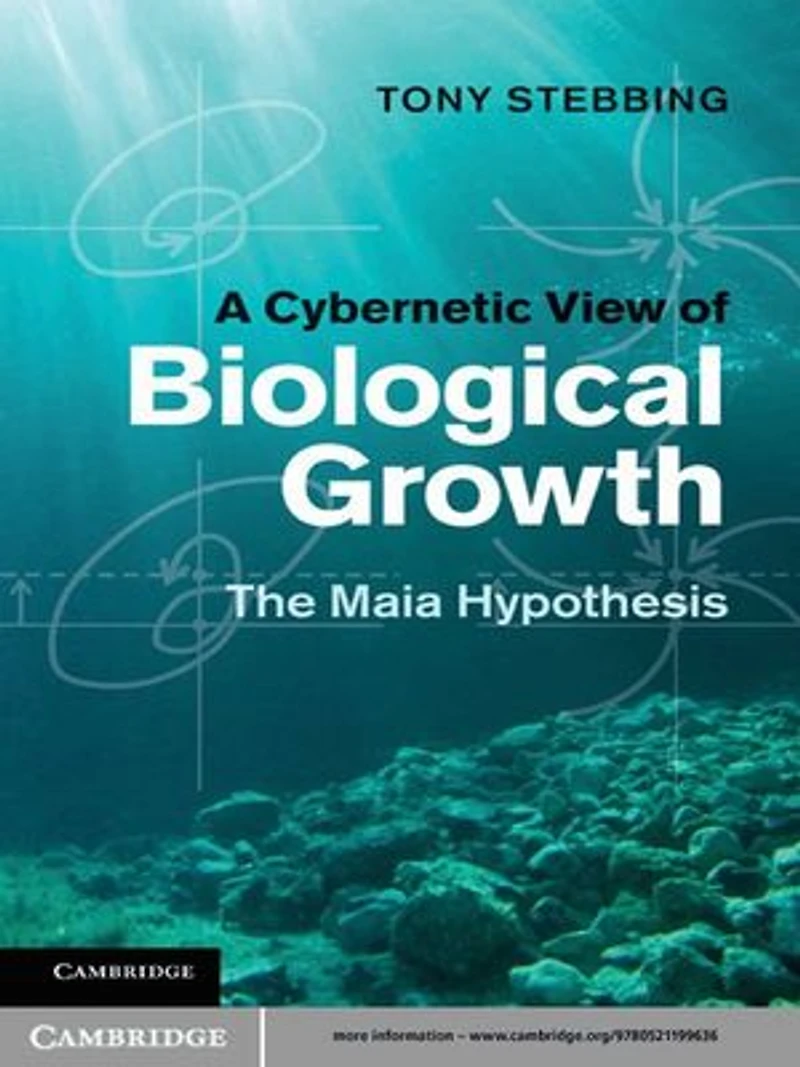
A Cybernetic View of Biological Growth: The Maia Hypothesis in Ottawa, ON
Current price: $120.79
Original price: $150.95

A Cybernetic View of Biological Growth: The Maia Hypothesis in Ottawa, ON
Current price: $120.79
Original price: $150.95
Loading Inventory...
Size: Kobo eBook
*Product information may vary - to confirm product availability, pricing, shipping and return information please contact Coles
Maia is the story of an idea, and its development into a working hypothesis, that provides a cybernetic interpretation of how growth is controlled. Growth at the lowest level is controlled by regulating the rate of growth. Access to the output of control mechanisms is provided by perturbing the growing organism, and then filtering out the consequences to growth rate. The output of the growth control mechanism is then accessible for interpretation and modelling. Perturbation experiments have been used to provide interpretations of hormesis, the neutralization of inhibitory load and acquired tolerance to toxic inhibition, and catch-up growth. The account begins with an introduction to cybernetics covering the regulation of growth and population increase in animals and man and describes this new approach to access the control of growth processes. This book is suitable for postgraduate students of biological cybernetics and researchers of biological growth, endocrinology, population ecology and toxicology.
Maia is the story of an idea, and its development into a working hypothesis, that provides a cybernetic interpretation of how growth is controlled. Growth at the lowest level is controlled by regulating the rate of growth. Access to the output of control mechanisms is provided by perturbing the growing organism, and then filtering out the consequences to growth rate. The output of the growth control mechanism is then accessible for interpretation and modelling. Perturbation experiments have been used to provide interpretations of hormesis, the neutralization of inhibitory load and acquired tolerance to toxic inhibition, and catch-up growth. The account begins with an introduction to cybernetics covering the regulation of growth and population increase in animals and man and describes this new approach to access the control of growth processes. This book is suitable for postgraduate students of biological cybernetics and researchers of biological growth, endocrinology, population ecology and toxicology.














More About Coles at Bayshore Shopping Centre
Coles is renowned for its outstanding customer service and great selection of books. Along with the vast array of magazines, stationary, audio-books, children's literature, fiction, non-fiction and reference books, you can find accessories to make your reading experience more pleasurable. We can recommend the very best in reading today. We will help you search our titles for exactly what you need, and if we do not have it in stock, we will order it for you.
100 Bayshore Dr, Nepean, ON K2B 8C1, Canada
Find Coles at Bayshore Shopping Centre in Ottawa, ON
Visit Coles at Bayshore Shopping Centre in Ottawa, ON