

Give the Gift of Choice!
Too many options? Treat your friends and family to their favourite stores with a Bayshore Shopping Centre gift card, redeemable at participating retailers throughout the centre. Click below to purchase yours today!Purchase HereHome
A Deaf Take on Non-Equivalence Written Chinese Translation
Coles
Loading Inventory...
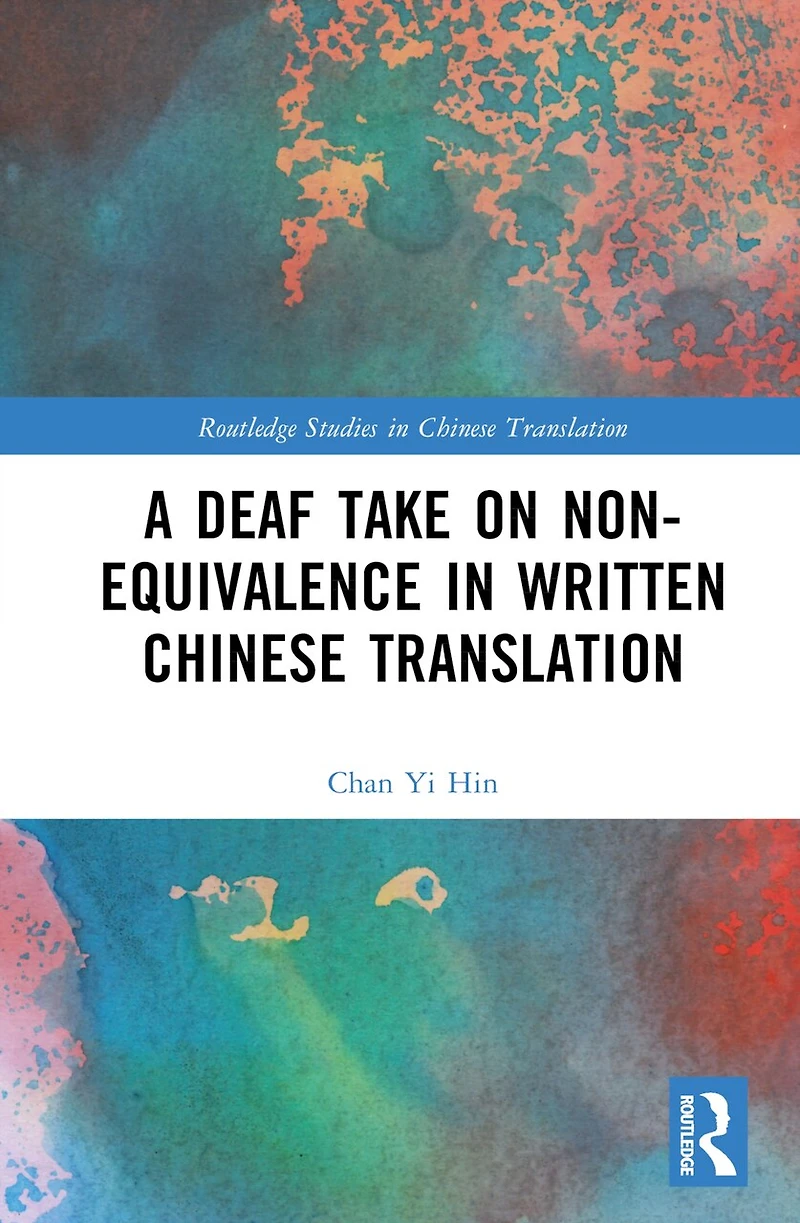
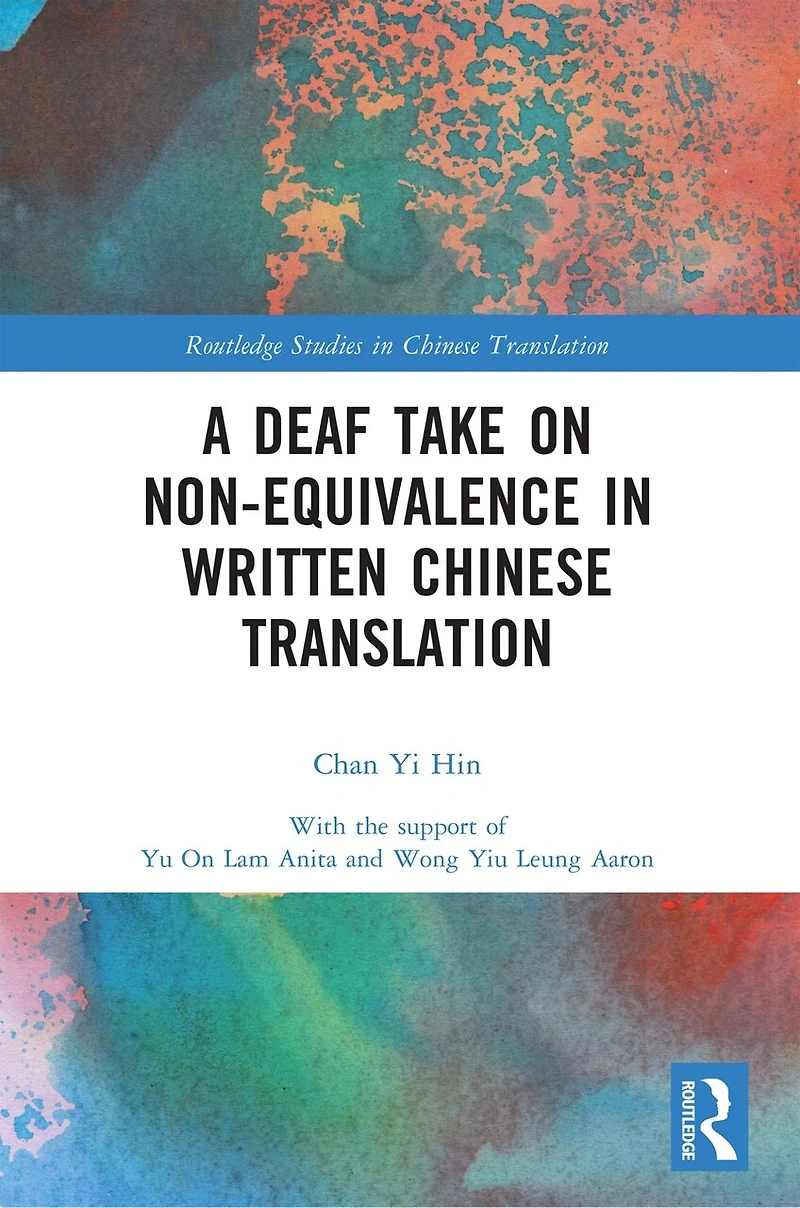
A Deaf Take on Non-Equivalence Written Chinese Translation in Ottawa, ON
Current price: $281.50

A Deaf Take on Non-Equivalence Written Chinese Translation in Ottawa, ON
Current price: $281.50
Loading Inventory...
Size: Hardcover
*Product information may vary - to confirm product availability, pricing, shipping and return information please contact Coles
A Deaf Take on Non-Equivalence in Written Chinese Translation examines the issue of lexical non-equivalence between written Chinese and Hong Kong Sign Language (HKSL) translation, describing its theoretical and practical implications. This research foregrounds the semiotic resources in the Deaf community of Hong Kong by analyzing translation strategies exhibited by Deaf Hongkongers when they were invited to translate written Chinese passages with specialized and culturally specific concepts in a monologic setting. With discourse analysis as a framework, the major findings of this research were that: (1) a taxonomy of strategies featured depiction, manual representations of Chinese characters and visual metonymy, writing and mouthing; (2) employment of multisemiotic and multimodal resources gave intended viewers access to different facets of meaning; and (3) repeated renditions of the same concepts gave rise to condensed, abbreviated occasionalisms. Observations from this research serve as a point of reference for interpreting scholars, practitioners and students as well as policymakers who formulate interpretation service provision and assessment.
A Deaf Take on Non-Equivalence in Written Chinese Translation examines the issue of lexical non-equivalence between written Chinese and Hong Kong Sign Language (HKSL) translation, describing its theoretical and practical implications. This research foregrounds the semiotic resources in the Deaf community of Hong Kong by analyzing translation strategies exhibited by Deaf Hongkongers when they were invited to translate written Chinese passages with specialized and culturally specific concepts in a monologic setting. With discourse analysis as a framework, the major findings of this research were that: (1) a taxonomy of strategies featured depiction, manual representations of Chinese characters and visual metonymy, writing and mouthing; (2) employment of multisemiotic and multimodal resources gave intended viewers access to different facets of meaning; and (3) repeated renditions of the same concepts gave rise to condensed, abbreviated occasionalisms. Observations from this research serve as a point of reference for interpreting scholars, practitioners and students as well as policymakers who formulate interpretation service provision and assessment.
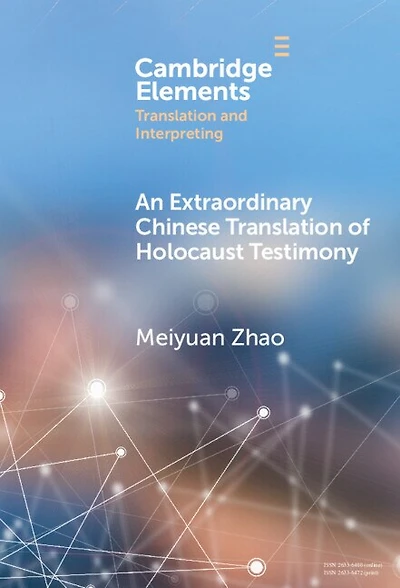
You May Also Like










More About Coles at Bayshore Shopping Centre
Coles is renowned for its outstanding customer service and great selection of books. Along with the vast array of magazines, stationary, audio-books, children's literature, fiction, non-fiction and reference books, you can find accessories to make your reading experience more pleasurable. We can recommend the very best in reading today. We will help you search our titles for exactly what you need, and if we do not have it in stock, we will order it for you.
100 Bayshore Dr, Nepean, ON K2B 8C1, Canada
Find Coles at Bayshore Shopping Centre in Ottawa, ON
Visit Coles at Bayshore Shopping Centre in Ottawa, ON