

Give the Gift of Choice!
Too many options? Treat your friends and family to their favourite stores with a Bayshore Shopping Centre gift card, redeemable at participating retailers throughout the centre. Click below to purchase yours today!Purchase HereHome
A Dictionary of Hallucinations
Coles
Loading Inventory...
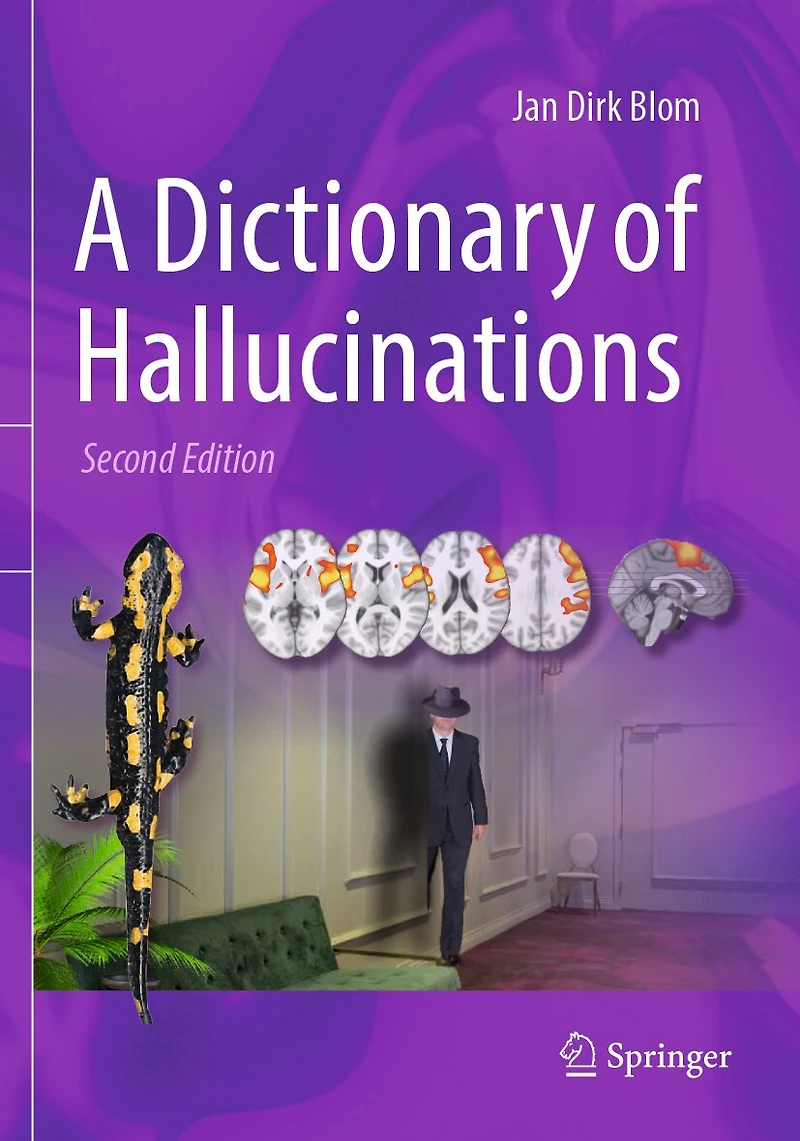
A Dictionary of Hallucinations in Ottawa, ON
Current price: $481.95

A Dictionary of Hallucinations in Ottawa, ON
Current price: $481.95
Loading Inventory...
Size: Paperback
*Product information may vary - to confirm product availability, pricing, shipping and return information please contact Coles
The Dictionary of Hallucinations, second edition, is an alphabetical listing of issues pertaining to hallucinations and other misperceptions. They can be roughly divided into four categories: 1. Definitions of individual hallucinatory symptoms 2. Medical conditions and substances associated with the mediation of hallucinations 3. Historical figures who are known to have experienced hallucinations 4. Miscellaneous issues Each of the definitions of individual hallucinatory symptoms includes:
a definition of the term
its etymological origin
the year of introduction (if known)
a reference to the author or authors who introduced the term (if known)
a description of the current use
a brief explanation of theetiology and pathophysiology of the symptom at hand (if known)
references to related terms
references to the literature
The second edition of A Dictionary of Hallucinations serves as a reference manual for neuroscientists, psychiatrists, psychiatric residents, psychologists, neurologists, historians of psychiatry, general practitioners, and academics dealing professionally with concepts of hallucinations and other sensory deceptions. This new edition provides updated information and references, and includes newly discovered hallucinations, bringing together contributions by other authorities within the field, with all the entries edited by Prof. Blom. Doody's Review: The book's purpose is to provide a collection of terms and related information for a variety of clinical and non-clinical applications, that can serve as a springboard for further inquiry about specific and lesser-known sensory phenomena. Not only does this book meet its objectives, but it fills a void in providing a comprehensive list of technical terms matched to otherwise hard-to-describe human experiences.
The Dictionary of Hallucinations, second edition, is an alphabetical listing of issues pertaining to hallucinations and other misperceptions. They can be roughly divided into four categories: 1. Definitions of individual hallucinatory symptoms 2. Medical conditions and substances associated with the mediation of hallucinations 3. Historical figures who are known to have experienced hallucinations 4. Miscellaneous issues Each of the definitions of individual hallucinatory symptoms includes:
a definition of the term
its etymological origin
the year of introduction (if known)
a reference to the author or authors who introduced the term (if known)
a description of the current use
a brief explanation of theetiology and pathophysiology of the symptom at hand (if known)
references to related terms
references to the literature
The second edition of A Dictionary of Hallucinations serves as a reference manual for neuroscientists, psychiatrists, psychiatric residents, psychologists, neurologists, historians of psychiatry, general practitioners, and academics dealing professionally with concepts of hallucinations and other sensory deceptions. This new edition provides updated information and references, and includes newly discovered hallucinations, bringing together contributions by other authorities within the field, with all the entries edited by Prof. Blom. Doody's Review: The book's purpose is to provide a collection of terms and related information for a variety of clinical and non-clinical applications, that can serve as a springboard for further inquiry about specific and lesser-known sensory phenomena. Not only does this book meet its objectives, but it fills a void in providing a comprehensive list of technical terms matched to otherwise hard-to-describe human experiences.







More About Coles at Bayshore Shopping Centre
Coles is renowned for its outstanding customer service and great selection of books. Along with the vast array of magazines, stationary, audio-books, children's literature, fiction, non-fiction and reference books, you can find accessories to make your reading experience more pleasurable. We can recommend the very best in reading today. We will help you search our titles for exactly what you need, and if we do not have it in stock, we will order it for you.
100 Bayshore Dr, Nepean, ON K2B 8C1, Canada
Find Coles at Bayshore Shopping Centre in Ottawa, ON
Visit Coles at Bayshore Shopping Centre in Ottawa, ON