

Give the Gift of Choice!
Too many options? Treat your friends and family to their favourite stores with a Bayshore Shopping Centre gift card, redeemable at participating retailers throughout the centre. Click below to purchase yours today!Purchase HereHome
A Discourse on the Evils of Dancing
Coles
Loading Inventory...
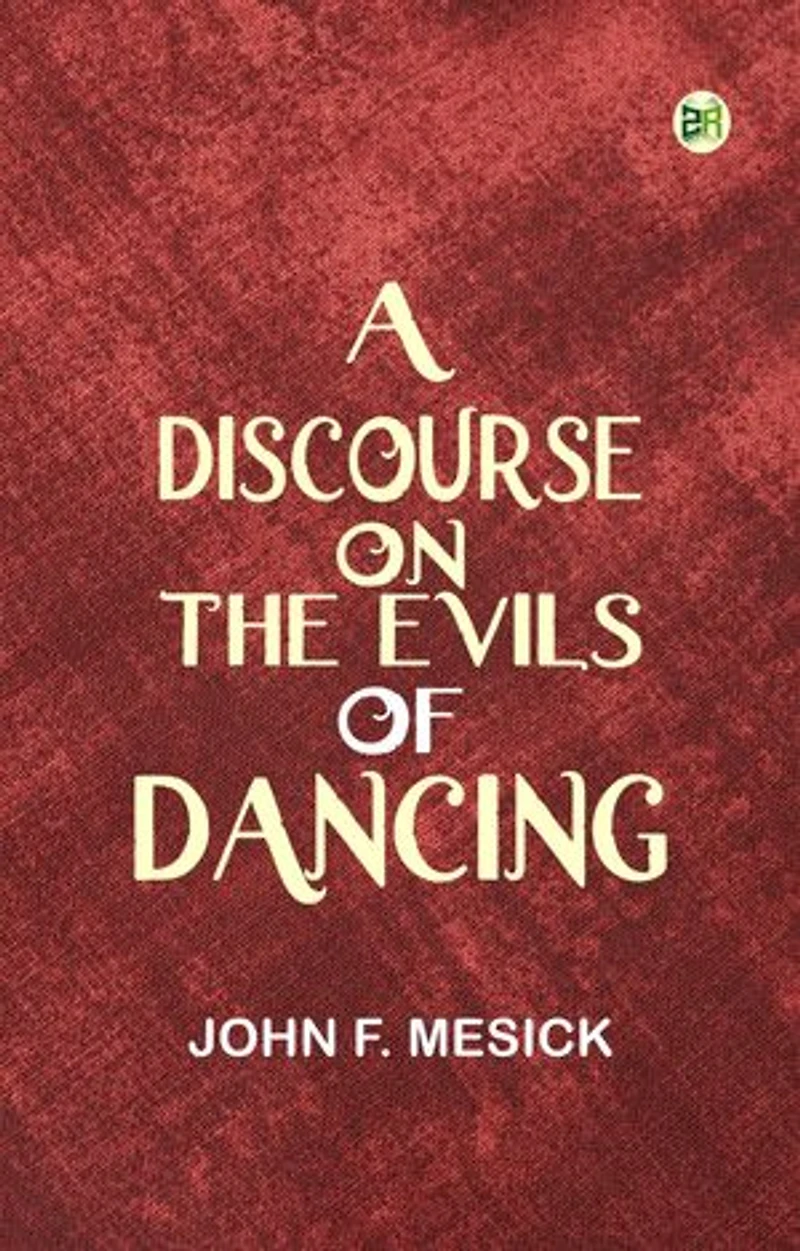
A Discourse on the Evils of Dancing in Ottawa, ON
Current price: $1.99

A Discourse on the Evils of Dancing in Ottawa, ON
Current price: $1.99
Loading Inventory...
Size: Kobo eBook
*Product information may vary - to confirm product availability, pricing, shipping and return information please contact Coles
A Discourse on the Evils of Dancing by John F. Mesick is a moral and religious critique of dancing, written from a 19th-century perspective that reflects the social and theological concerns of the time. The discourse argues against dancing as a form of entertainment, claiming it promotes frivolity, moral decay, and spiritual harm. Mesick draws heavily on biblical references and Christian doctrine to support his position, urging readers to prioritize virtue and piety over worldly amusements.Mesick critiques dancing not only as an activity but as a symbol of broader societal indulgences that he believes distract individuals from their spiritual duties. He warns that participation in such practices can lead to vanity, temptation, and the erosion of community values. The text is deeply rooted in the Puritanical worldview, emphasizing discipline, modesty, and the avoidance of secular pleasures.
A Discourse on the Evils of Dancing by John F. Mesick is a moral and religious critique of dancing, written from a 19th-century perspective that reflects the social and theological concerns of the time. The discourse argues against dancing as a form of entertainment, claiming it promotes frivolity, moral decay, and spiritual harm. Mesick draws heavily on biblical references and Christian doctrine to support his position, urging readers to prioritize virtue and piety over worldly amusements.Mesick critiques dancing not only as an activity but as a symbol of broader societal indulgences that he believes distract individuals from their spiritual duties. He warns that participation in such practices can lead to vanity, temptation, and the erosion of community values. The text is deeply rooted in the Puritanical worldview, emphasizing discipline, modesty, and the avoidance of secular pleasures.
You May Also Like












More About Coles at Bayshore Shopping Centre
Coles is renowned for its outstanding customer service and great selection of books. Along with the vast array of magazines, stationary, audio-books, children's literature, fiction, non-fiction and reference books, you can find accessories to make your reading experience more pleasurable. We can recommend the very best in reading today. We will help you search our titles for exactly what you need, and if we do not have it in stock, we will order it for you.
100 Bayshore Dr, Nepean, ON K2B 8C1, Canada
Find Coles at Bayshore Shopping Centre in Ottawa, ON
Visit Coles at Bayshore Shopping Centre in Ottawa, ON