

Give the Gift of Choice!
Too many options? Treat your friends and family to their favourite stores with a Bayshore Shopping Centre gift card, redeemable at participating retailers throughout the centre. Click below to purchase yours today!Purchase HereHome
A Gaelic Alphabet: a guide to the pronunciation of Gaelic letters and words
Coles
Loading Inventory...
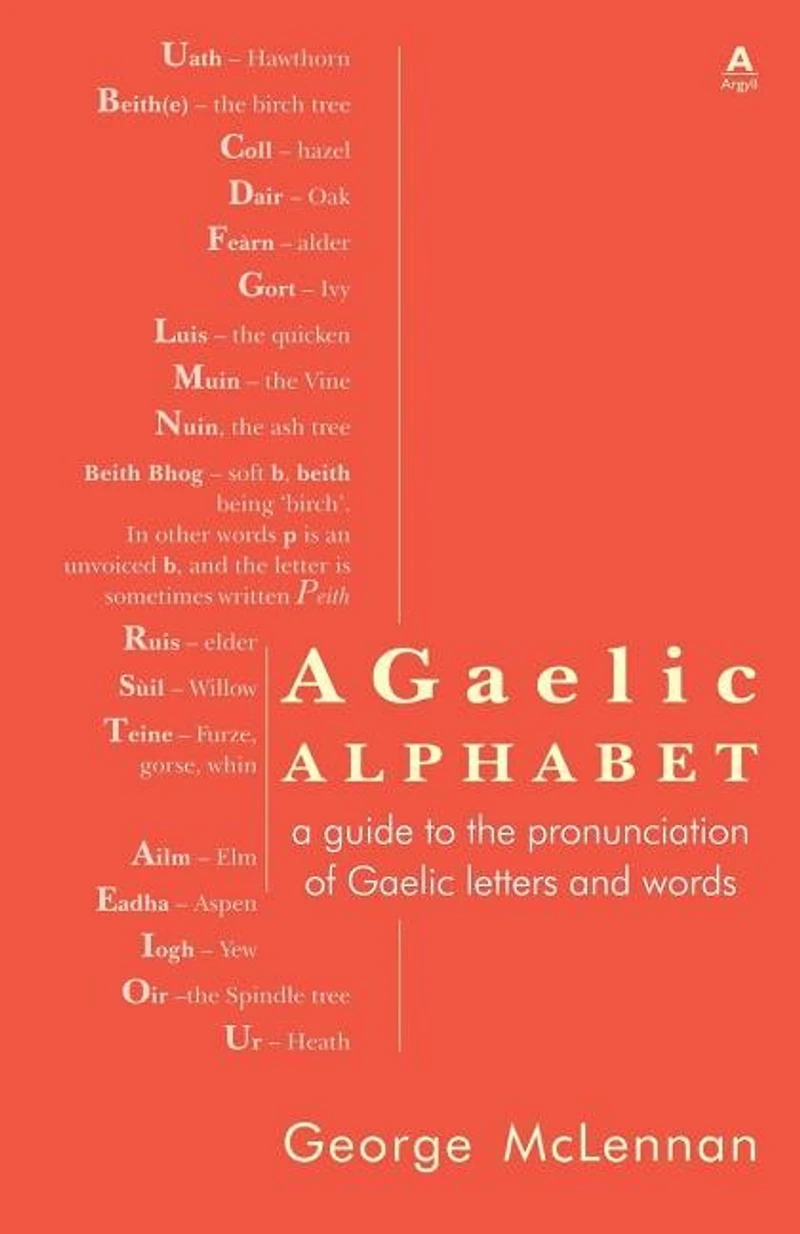
A Gaelic Alphabet: a guide to the pronunciation of Gaelic letters and words in Ottawa, ON
Current price: $14.51

A Gaelic Alphabet: a guide to the pronunciation of Gaelic letters and words in Ottawa, ON
Current price: $14.51
Loading Inventory...
Size: Paperback
*Product information may vary - to confirm product availability, pricing, shipping and return information please contact Coles
The modern Gaelic alphabet has 18 letters - Gaelic simply needs a smaller alphabet to make its sounds. To pronounce Gaelic words correctly you need to know what the sounds of the letters are, particularly the sounds of combinations of letters. Using his knowledge of the conventions of the language and not a little humour, George McLennan offers a straightforward guide to the Gaelic alphabet. Placenames and surnames are used to illustrate particular pronunciations, in the expectation that most people will be familiar with them. Each letter is discussed separately. Combinations of consonants, eg chd, are dealt with or referred to under the first letter. The vowels are then done in alphabetical order as are groups of vowels. Like its sucessful campanion volume Scots Gaelic an introduction to the basics, A Gaelic Alphabet will be of great help to learners and speakers of the language.
The modern Gaelic alphabet has 18 letters - Gaelic simply needs a smaller alphabet to make its sounds. To pronounce Gaelic words correctly you need to know what the sounds of the letters are, particularly the sounds of combinations of letters. Using his knowledge of the conventions of the language and not a little humour, George McLennan offers a straightforward guide to the Gaelic alphabet. Placenames and surnames are used to illustrate particular pronunciations, in the expectation that most people will be familiar with them. Each letter is discussed separately. Combinations of consonants, eg chd, are dealt with or referred to under the first letter. The vowels are then done in alphabetical order as are groups of vowels. Like its sucessful campanion volume Scots Gaelic an introduction to the basics, A Gaelic Alphabet will be of great help to learners and speakers of the language.
You May Also Like









More About Coles at Bayshore Shopping Centre
Coles is renowned for its outstanding customer service and great selection of books. Along with the vast array of magazines, stationary, audio-books, children's literature, fiction, non-fiction and reference books, you can find accessories to make your reading experience more pleasurable. We can recommend the very best in reading today. We will help you search our titles for exactly what you need, and if we do not have it in stock, we will order it for you.
100 Bayshore Dr, Nepean, ON K2B 8C1, Canada
Find Coles at Bayshore Shopping Centre in Ottawa, ON
Visit Coles at Bayshore Shopping Centre in Ottawa, ON