

Give the Gift of Choice!
Too many options? Treat your friends and family to their favourite stores with a Bayshore Shopping Centre gift card, redeemable at participating retailers throughout the centre. Click below to purchase yours today!Purchase HereHome
A Guide to Kant's Psychologism: via Locke, Berkeley, Hume, and Wittgenstein
Coles
Loading Inventory...

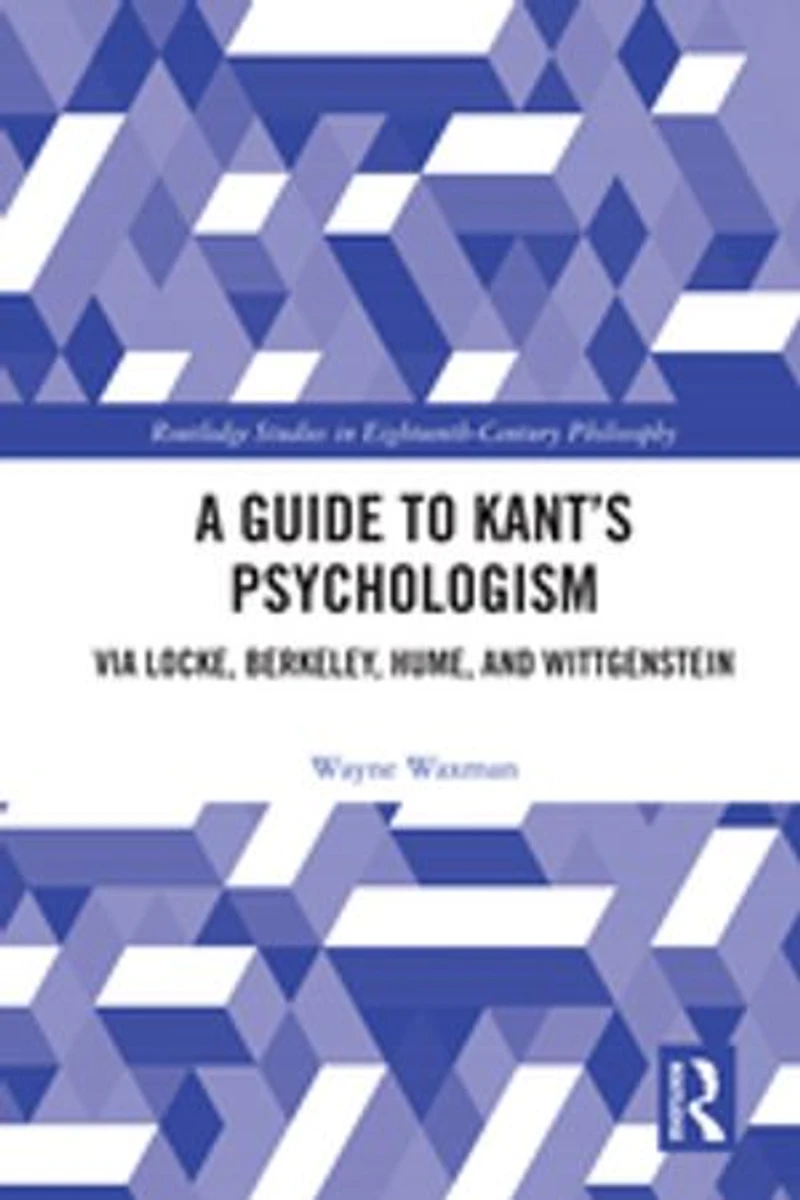
A Guide to Kant's Psychologism: via Locke, Berkeley, Hume, and Wittgenstein in Ottawa, ON
Current price: $296.50

A Guide to Kant's Psychologism: via Locke, Berkeley, Hume, and Wittgenstein in Ottawa, ON
Current price: $296.50
Loading Inventory...
Size: Hardcover
*Product information may vary - to confirm product availability, pricing, shipping and return information please contact Coles
This book presents an interpretation of Kant's Critique of Pure Reason as a priori psychologism. It groups Kant's philosophy together with those of the British empiricists-Locke, Berkeley, and Hume-in a single line of psychologistic succession and offers a clear explanation of how Kant's psychologism differs from psychology and idealism. The book reconciles Kant's philosophy with subsequent developments in science and mathematics, including post-Fregean mathematical logic, non-Euclidean geometry, and both relativity and quantum theory. It also relates Kant's psychologism to Wittgenstein's later conception of language. Finally, the author reveals the ways in which Kant's philosophy dovetails with contemporary scientific theorizing about the natural phenomenon of consciousness and its place in nature. This book will be of interest to Kant scholars and historians of philosophy working on the British empiricists.
This book presents an interpretation of Kant's Critique of Pure Reason as a priori psychologism. It groups Kant's philosophy together with those of the British empiricists-Locke, Berkeley, and Hume-in a single line of psychologistic succession and offers a clear explanation of how Kant's psychologism differs from psychology and idealism. The book reconciles Kant's philosophy with subsequent developments in science and mathematics, including post-Fregean mathematical logic, non-Euclidean geometry, and both relativity and quantum theory. It also relates Kant's psychologism to Wittgenstein's later conception of language. Finally, the author reveals the ways in which Kant's philosophy dovetails with contemporary scientific theorizing about the natural phenomenon of consciousness and its place in nature. This book will be of interest to Kant scholars and historians of philosophy working on the British empiricists.
You May Also Like









More About Coles at Bayshore Shopping Centre
Coles is renowned for its outstanding customer service and great selection of books. Along with the vast array of magazines, stationary, audio-books, children's literature, fiction, non-fiction and reference books, you can find accessories to make your reading experience more pleasurable. We can recommend the very best in reading today. We will help you search our titles for exactly what you need, and if we do not have it in stock, we will order it for you.
100 Bayshore Dr, Nepean, ON K2B 8C1, Canada
Find Coles at Bayshore Shopping Centre in Ottawa, ON
Visit Coles at Bayshore Shopping Centre in Ottawa, ON