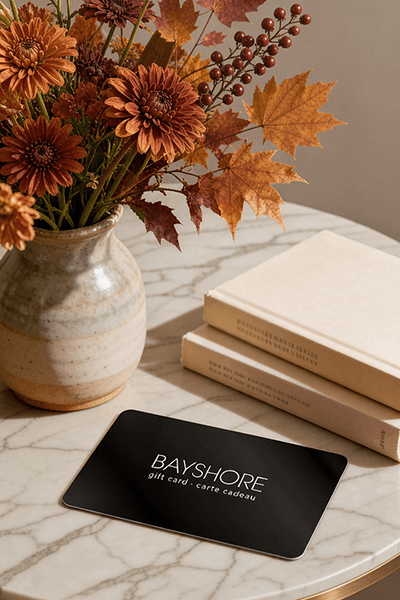
Too many options? Treat your friends and family to their favourite stores with a Bayshore Shopping Centre gift card, redeemable at participating retailers throughout the centre. Click below to purchase yours today!Purchase Here
Coles A History of Jeddah: the Gate to Mecca Nineteenth and Twentieth Centuries at Bayshore Shopping Centre in Ottawa, ON
*Product information may vary - to confirm product availability, pricing, shipping and return information please contact Coles
Known as the 'Gate to Mecca' or 'Bride of the Red Sea', Jeddah has been a gateway for pilgrims travelling to Mecca and Medina and a station for international trade routes between the Indian Ocean and the Mediterranean for centuries. Seen from the perspective of its diverse population, this first biography of Jeddah traces the city's urban history and cosmopolitanism from the late Ottoman period to its present-day claim to multiculturalism, within the conservative environment of the Arabian Peninsula. Contextualising Jeddah with developments in the wider Muslim world, Ulrike Freitag investigates how different groups of migrants interacted in a changing urban space and how their economic activities influenced the political framework of the city. Richly illustrated, this study reveals how the transformation of Jeddah's urban space, population and politics has been indicative of changes in the wider Arab and Red Sea region, re-evaluating its place in the Middle East at a time when both its cosmopolitan practices and old city are changing dramatically against a backdrop of modernisation and Saudi nation-building.
Known as the 'Gate to Mecca' or 'Bride of the Red Sea', Jeddah has been a gateway for pilgrims travelling to Mecca and Medina and a station for international trade routes between the Indian Ocean and the Mediterranean for centuries. Seen from the perspective of its diverse population, this first biography of Jeddah traces the city's urban history and cosmopolitanism from the late Ottoman period to its present-day claim to multiculturalism, within the conservative environment of the Arabian Peninsula. Contextualising Jeddah with developments in the wider Muslim world, Ulrike Freitag investigates how different groups of migrants interacted in a changing urban space and how their economic activities influenced the political framework of the city. Richly illustrated, this study reveals how the transformation of Jeddah's urban space, population and politics has been indicative of changes in the wider Arab and Red Sea region, re-evaluating its place in the Middle East at a time when both its cosmopolitan practices and old city are changing dramatically against a backdrop of modernisation and Saudi nation-building.
Coles is renowned for its outstanding customer service and great selection of books. Along with the vast array of magazines, stationary, audio-books, children's literature, fiction, non-fiction and reference books, you can find accessories to make your reading experience more pleasurable. We can recommend the very best in reading today. We will help you search our titles for exactly what you need, and if we do not have it in stock, we will order it for you.