

Give the Gift of Choice!
Too many options? Treat your friends and family to their favourite stores with a Bayshore Shopping Centre gift card, redeemable at participating retailers throughout the centre. Click below to purchase yours today!Purchase HereHome
A History of Polish Theatre
Coles
Loading Inventory...
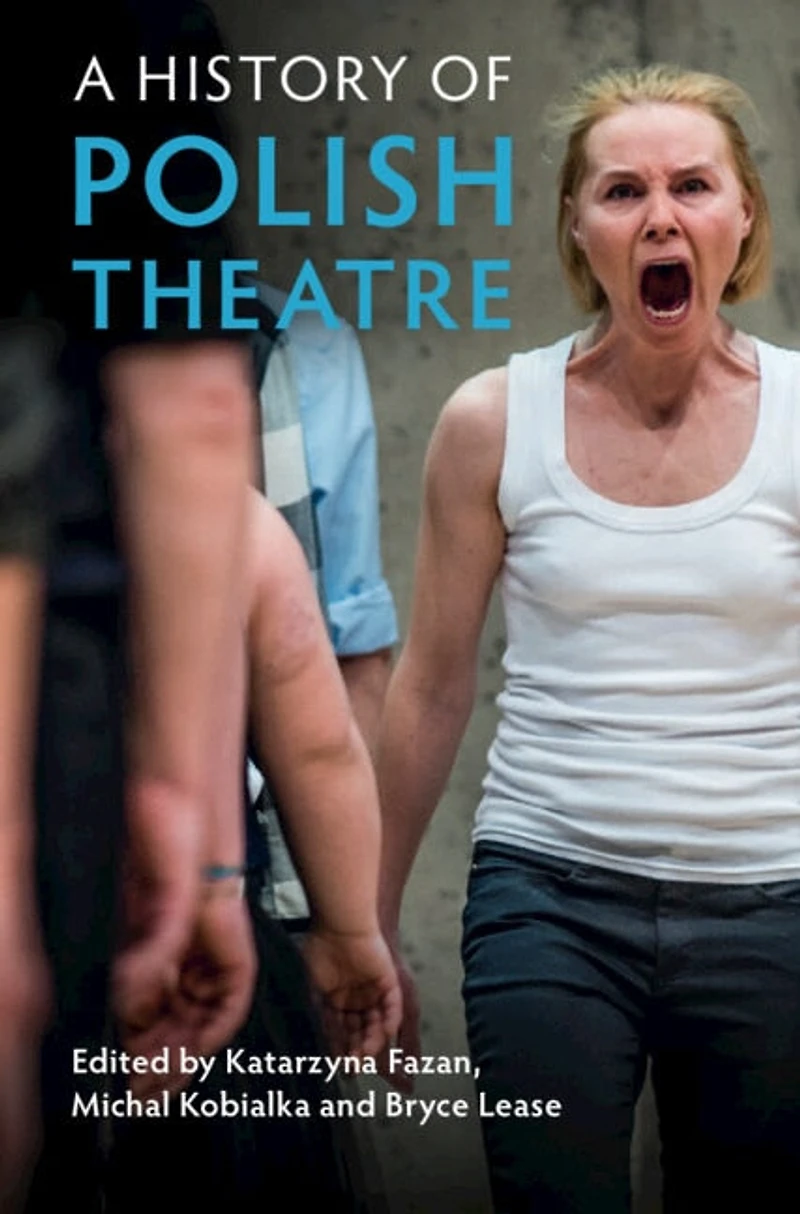
A History of Polish Theatre in Ottawa, ON
Current price: $204.18

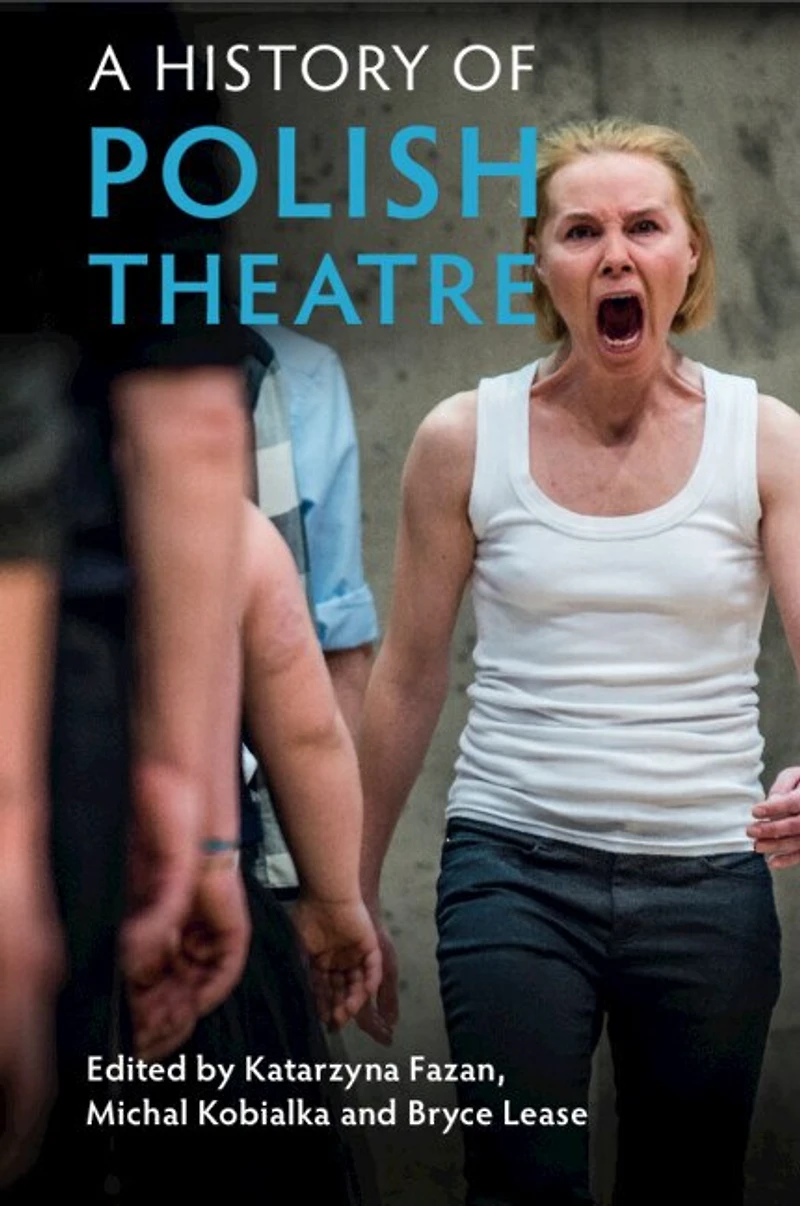
A History of Polish Theatre in Ottawa, ON
Current price: $204.18
Loading Inventory...
Size: Hardcover
*Product information may vary - to confirm product availability, pricing, shipping and return information please contact Coles
Poland is celebrated internationally for its rich and varied performance traditions and theatre histories. This groundbreaking volume is the first in English to engage with these topics across an ambitious scope, incorporating Staropolska, the Polish-Lithuanian Commonwealth, the Enlightenment and Romanticism within its broad ambit. The book also discusses theatre cultures under socialism, the emergence of canonical practitioners and training methods, the development of dramaturgical forms and stage aesthetics and the political transformations attending the ends of the First and Second World Wars. Subjects of far-reaching transnational attention such as Jerzy Grotowski and Tadeusz Kantor are contextualised alongside theatre makers and practices that have gone largely unrecognized by international readers, while the participation of ethnic minorities in the production of national culture is given fresh attention. The essays in this collection theorise broad historical trends, movements, and case studies that extend the discursive limits of Polish national and cultural identity.
Poland is celebrated internationally for its rich and varied performance traditions and theatre histories. This groundbreaking volume is the first in English to engage with these topics across an ambitious scope, incorporating Staropolska, the Polish-Lithuanian Commonwealth, the Enlightenment and Romanticism within its broad ambit. The book also discusses theatre cultures under socialism, the emergence of canonical practitioners and training methods, the development of dramaturgical forms and stage aesthetics and the political transformations attending the ends of the First and Second World Wars. Subjects of far-reaching transnational attention such as Jerzy Grotowski and Tadeusz Kantor are contextualised alongside theatre makers and practices that have gone largely unrecognized by international readers, while the participation of ethnic minorities in the production of national culture is given fresh attention. The essays in this collection theorise broad historical trends, movements, and case studies that extend the discursive limits of Polish national and cultural identity.
You May Also Like








More About Coles at Bayshore Shopping Centre
Coles is renowned for its outstanding customer service and great selection of books. Along with the vast array of magazines, stationary, audio-books, children's literature, fiction, non-fiction and reference books, you can find accessories to make your reading experience more pleasurable. We can recommend the very best in reading today. We will help you search our titles for exactly what you need, and if we do not have it in stock, we will order it for you.
100 Bayshore Dr, Nepean, ON K2B 8C1, Canada
Find Coles at Bayshore Shopping Centre in Ottawa, ON
Visit Coles at Bayshore Shopping Centre in Ottawa, ON