

Give the Gift of Choice!
Too many options? Treat your friends and family to their favourite stores with a Bayshore Shopping Centre gift card, redeemable at participating retailers throughout the centre. Click below to purchase yours today!Purchase HereHome
A History of Popular Education: Educating the People World
Coles
Loading Inventory...
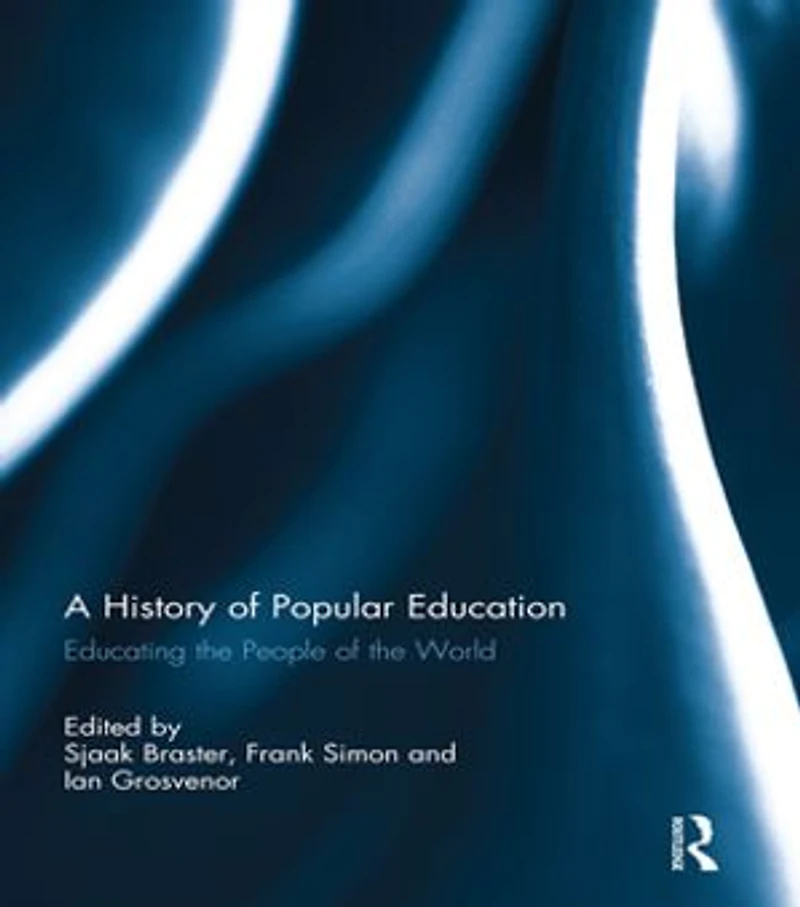
A History of Popular Education: Educating the People World in Ottawa, ON
Current price: $74.99

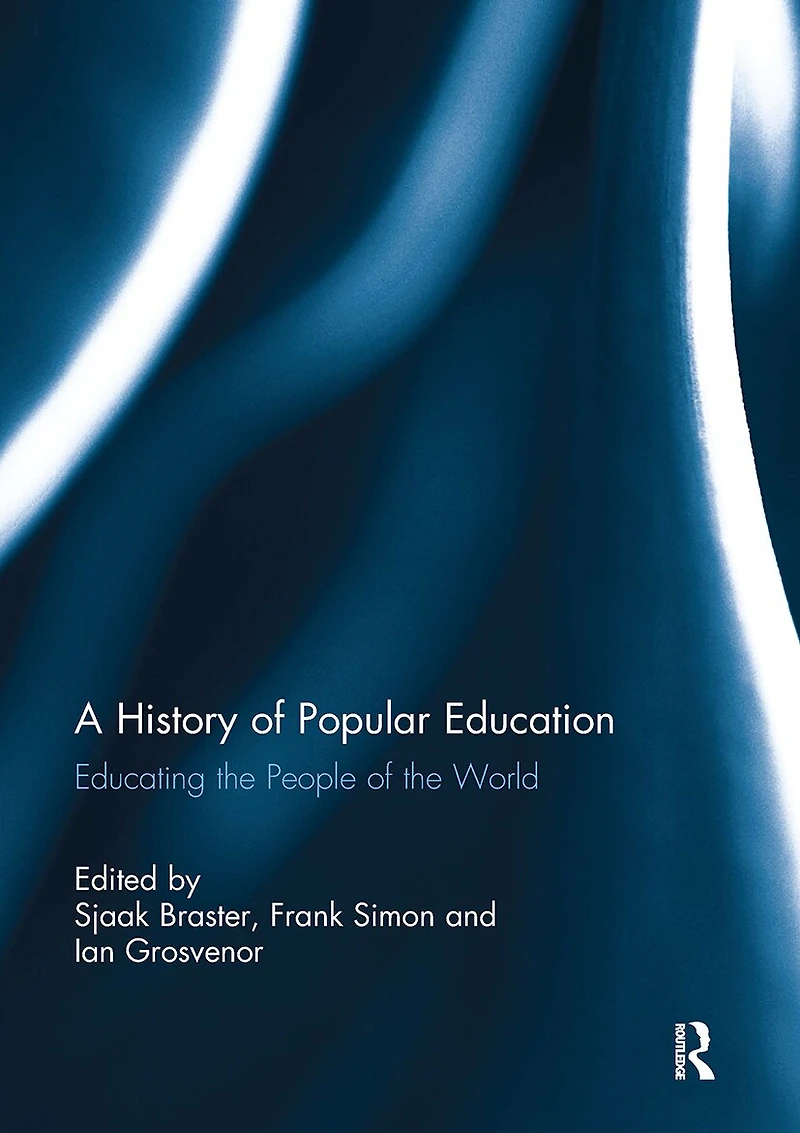
A History of Popular Education: Educating the People World in Ottawa, ON
Current price: $74.99
Loading Inventory...
Size: Kobo eBook
*Product information may vary - to confirm product availability, pricing, shipping and return information please contact Coles
Popular Education is a concept with many meanings. With the rise of national systems of education at the beginning of the nineteenth-century, it was related to the socially inclusive concept of citizenship coined by privileged members with vested interests in the urban society that could only be achieved by educating the common people, or in other words, the uncontrollable masses that had nothing to lose. In the twentieth-century, Popular Education became another word for initiatives taken by religious and socialist groups for educating working-class adults, and women. However, in the course of the twentieth-century, the meaning of the term shifted towards empowerment and the education of the oppressed. This book explores the several ways in which Popular Education has been theoretically and empirically defined, in several regions of the world, over the last three centuries. It is the result of work by scholars from Europe and the Americas during the 31 st session of the International Standing Conference on the History of Education (ISCHE) that was organised at Utrecht University, the Netherlands in August 2009. This book was originally published as a special issue of Paedagogica Historica .
Popular Education is a concept with many meanings. With the rise of national systems of education at the beginning of the nineteenth-century, it was related to the socially inclusive concept of citizenship coined by privileged members with vested interests in the urban society that could only be achieved by educating the common people, or in other words, the uncontrollable masses that had nothing to lose. In the twentieth-century, Popular Education became another word for initiatives taken by religious and socialist groups for educating working-class adults, and women. However, in the course of the twentieth-century, the meaning of the term shifted towards empowerment and the education of the oppressed. This book explores the several ways in which Popular Education has been theoretically and empirically defined, in several regions of the world, over the last three centuries. It is the result of work by scholars from Europe and the Americas during the 31 st session of the International Standing Conference on the History of Education (ISCHE) that was organised at Utrecht University, the Netherlands in August 2009. This book was originally published as a special issue of Paedagogica Historica .
You May Also Like







More About Coles at Bayshore Shopping Centre
Coles is renowned for its outstanding customer service and great selection of books. Along with the vast array of magazines, stationary, audio-books, children's literature, fiction, non-fiction and reference books, you can find accessories to make your reading experience more pleasurable. We can recommend the very best in reading today. We will help you search our titles for exactly what you need, and if we do not have it in stock, we will order it for you.
100 Bayshore Dr, Nepean, ON K2B 8C1, Canada
Find Coles at Bayshore Shopping Centre in Ottawa, ON
Visit Coles at Bayshore Shopping Centre in Ottawa, ON