

Give the Gift of Choice!
Too many options? Treat your friends and family to their favourite stores with a Bayshore Shopping Centre gift card, redeemable at participating retailers throughout the centre. Click below to purchase yours today!Purchase HereHome
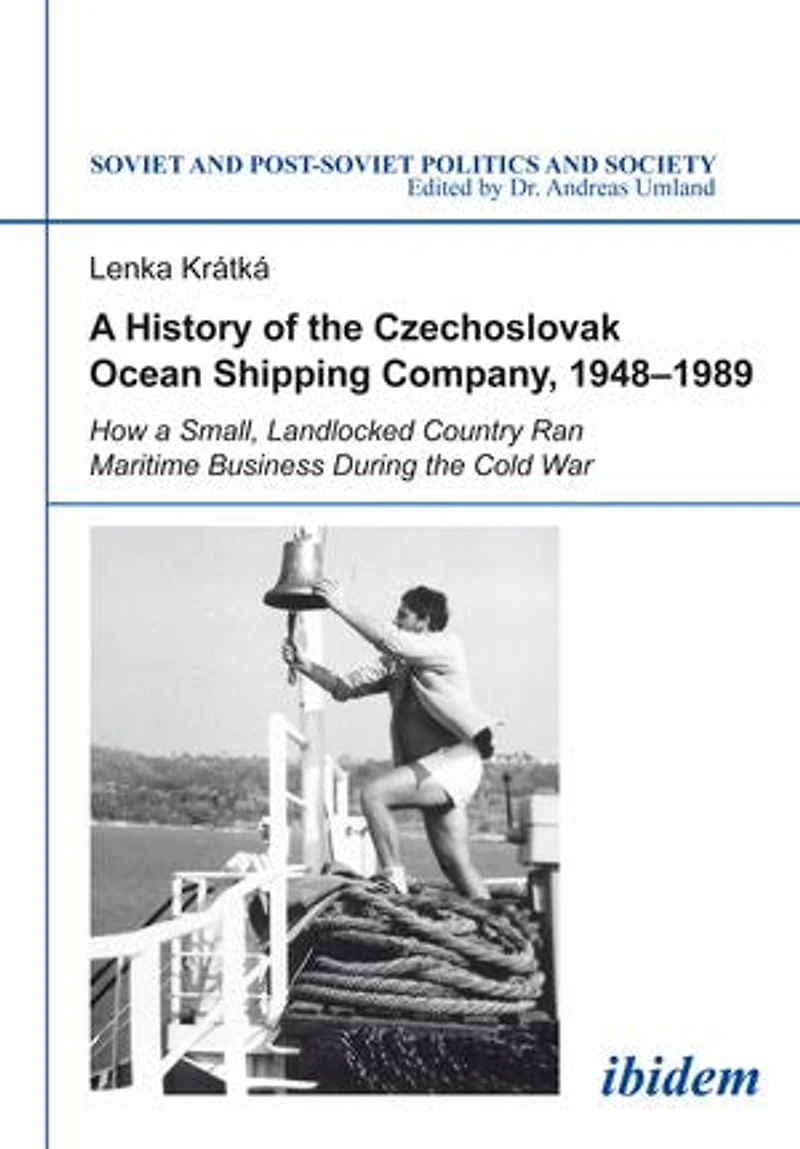
a History of the Czechoslovak Ocean Shipping Company, 1948–1989: How Small, Landlocked Country Ran Maritime Business During Cold War
Coles
Loading Inventory...
a History of the Czechoslovak Ocean Shipping Company, 1948–1989: How Small, Landlocked Country Ran Maritime Business During Cold War in Ottawa, ON
Current price: $29.99

a History of the Czechoslovak Ocean Shipping Company, 1948–1989: How Small, Landlocked Country Ran Maritime Business During Cold War in Ottawa, ON
Current price: $29.99
Loading Inventory...
Size: Kobo eBook
*Product information may vary - to confirm product availability, pricing, shipping and return information please contact Coles
This book offers a comprehensive history of the Czechoslovak Ocean Shipping Company (C. O. S.) from its beginning in the late 1940s until the fall of communism. Owned by the Czechoslovak state, C. O. S.'s activities were shaped by Soviet standards. This unique study is structured according to the different phases of the Cold War and highlights the political aspects that determined C. O. S.'s fate. Lenka Krátká focuses on two contradictory economic dimensions that C. O. S. had to engage with. Being part of the planned economy of a socialist state, it also dealt with companies in the capitalist West. Another paradoxical aspect of C. O. S. emerges from the memories of former Czechoslovak seamen, who experienced relative freedom when being aboard and strict communist regime control while at home with their families. Krátká's book offers fascinating insights into a neglected topic, using thus far untapped sources and building on primary research in oral history and personal memory.
This book offers a comprehensive history of the Czechoslovak Ocean Shipping Company (C. O. S.) from its beginning in the late 1940s until the fall of communism. Owned by the Czechoslovak state, C. O. S.'s activities were shaped by Soviet standards. This unique study is structured according to the different phases of the Cold War and highlights the political aspects that determined C. O. S.'s fate. Lenka Krátká focuses on two contradictory economic dimensions that C. O. S. had to engage with. Being part of the planned economy of a socialist state, it also dealt with companies in the capitalist West. Another paradoxical aspect of C. O. S. emerges from the memories of former Czechoslovak seamen, who experienced relative freedom when being aboard and strict communist regime control while at home with their families. Krátká's book offers fascinating insights into a neglected topic, using thus far untapped sources and building on primary research in oral history and personal memory.
You May Also Like














More About Coles at Bayshore Shopping Centre
Coles is renowned for its outstanding customer service and great selection of books. Along with the vast array of magazines, stationary, audio-books, children's literature, fiction, non-fiction and reference books, you can find accessories to make your reading experience more pleasurable. We can recommend the very best in reading today. We will help you search our titles for exactly what you need, and if we do not have it in stock, we will order it for you.
100 Bayshore Dr, Nepean, ON K2B 8C1, Canada
Find Coles at Bayshore Shopping Centre in Ottawa, ON
Visit Coles at Bayshore Shopping Centre in Ottawa, ON