

Give the Gift of Choice!
Too many options? Treat your friends and family to their favourite stores with a Bayshore Shopping Centre gift card, redeemable at participating retailers throughout the centre. Click below to purchase yours today!Purchase HereHome
A Homeric Catalogue of Shapes: The Iliad and Odyssey Seen Differently
Coles
Loading Inventory...
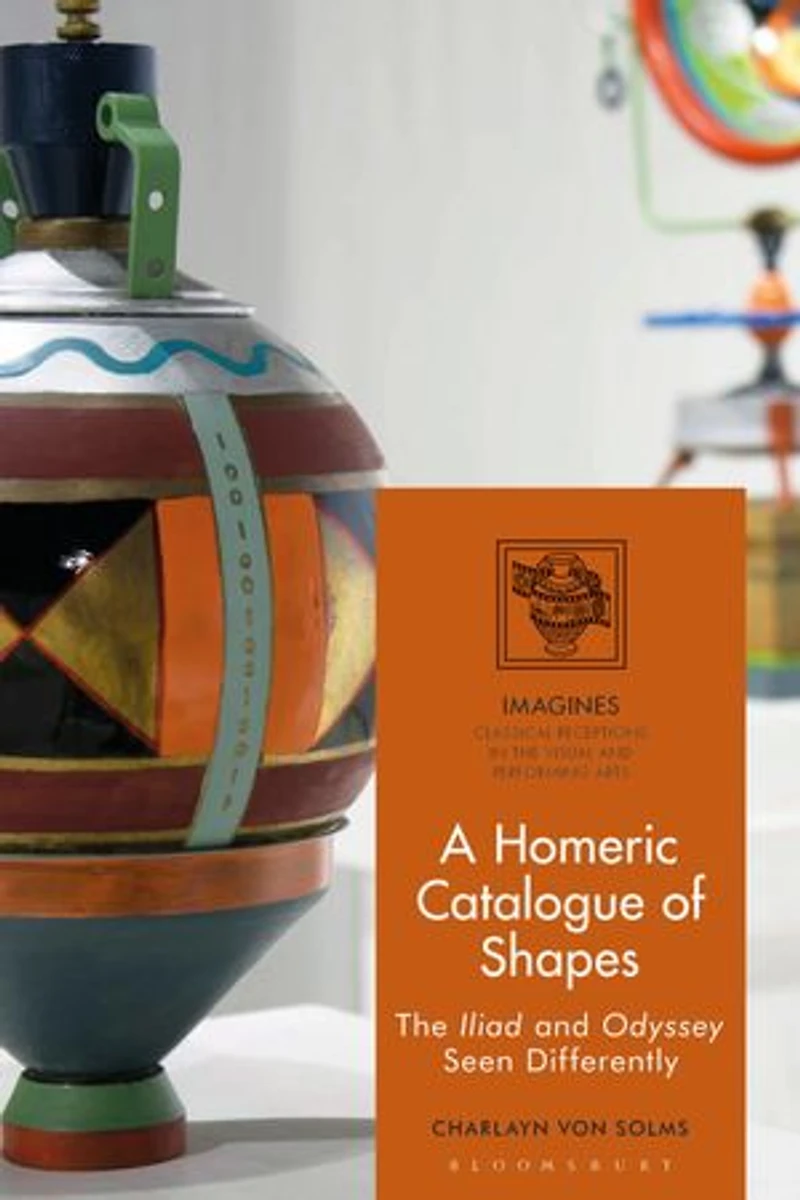
A Homeric Catalogue of Shapes: The Iliad and Odyssey Seen Differently in Ottawa, ON
Current price: $47.49
Original price: $59.35

A Homeric Catalogue of Shapes: The Iliad and Odyssey Seen Differently in Ottawa, ON
Current price: $47.49
Original price: $59.35
Loading Inventory...
Size: Kobo eBook
*Product information may vary - to confirm product availability, pricing, shipping and return information please contact Coles
In the popular imagination, Homer as author of the Iliad and the Odyssey, epitomises poetic genius. So, when scholars proposed that the Homeric epics were not the unique creation of an individual author, but instead reflected a traditional compositional system developed by generations of singer-poets, swathes of assumptions about the poems and their 'author' were swept aside and called into question. Much had to be re-evaluated through a new lens. The creative process described by scholars for the Homeric epics shares many key attributes with the modern visual art-forms of collage and its less familiar variant: sculptural assemblage. A Homeric Catalogue of Shapes describes a series of twelve sculptures that together function as an abstract portrait of Homer: not a depiction of him as an individual, but as a compositional system. The technique by which the artworks were produced reflects the poetic method that scholars termed oral-formulaic. In both of these creative processes the artwork is constructed from pre-existing elements: such as phrases, characters, and plot-lines in the epics; and objects, fragmented items, and borrowed forms in the sculptures. The artist/author presents a largely unknown characterisation of Homeric poetics in a manner that emphasizes the extent and complexity of this Homer's artistry.
In the popular imagination, Homer as author of the Iliad and the Odyssey, epitomises poetic genius. So, when scholars proposed that the Homeric epics were not the unique creation of an individual author, but instead reflected a traditional compositional system developed by generations of singer-poets, swathes of assumptions about the poems and their 'author' were swept aside and called into question. Much had to be re-evaluated through a new lens. The creative process described by scholars for the Homeric epics shares many key attributes with the modern visual art-forms of collage and its less familiar variant: sculptural assemblage. A Homeric Catalogue of Shapes describes a series of twelve sculptures that together function as an abstract portrait of Homer: not a depiction of him as an individual, but as a compositional system. The technique by which the artworks were produced reflects the poetic method that scholars termed oral-formulaic. In both of these creative processes the artwork is constructed from pre-existing elements: such as phrases, characters, and plot-lines in the epics; and objects, fragmented items, and borrowed forms in the sculptures. The artist/author presents a largely unknown characterisation of Homeric poetics in a manner that emphasizes the extent and complexity of this Homer's artistry.
You May Also Like










More About Coles at Bayshore Shopping Centre
Coles is renowned for its outstanding customer service and great selection of books. Along with the vast array of magazines, stationary, audio-books, children's literature, fiction, non-fiction and reference books, you can find accessories to make your reading experience more pleasurable. We can recommend the very best in reading today. We will help you search our titles for exactly what you need, and if we do not have it in stock, we will order it for you.
100 Bayshore Dr, Nepean, ON K2B 8C1, Canada
Find Coles at Bayshore Shopping Centre in Ottawa, ON
Visit Coles at Bayshore Shopping Centre in Ottawa, ON