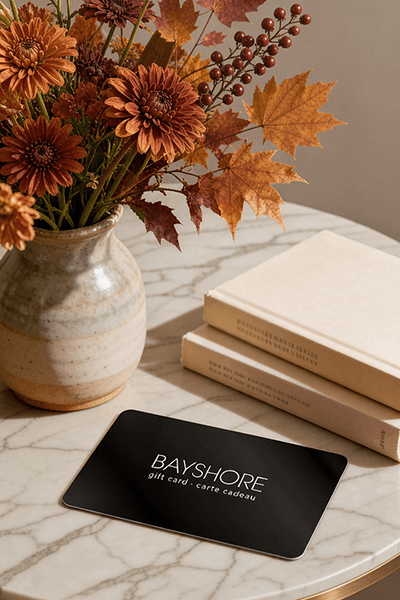
Too many options? Treat your friends and family to their favourite stores with a Bayshore Shopping Centre gift card, redeemable at participating retailers throughout the centre. Click below to purchase yours today!Purchase Here
*Product information may vary - to confirm product availability, pricing, shipping and return information please contact Coles
This book is the only book-length monograph comparing the impact of confessional identity on both halves of the Wittelsbach dynasty which provided Bavarian dukes and German emperors as well as its implications for late Renaissance court culture. It demonstrates that religious conflict led to the development of distinctly confessional court cultures among the main Wittelsbach courts. Likewise, it illuminates how these confessional court cultures contributed significantly to the splintering of Renaissance humanism along religious lines in this era. Concomitantly, it sheds new light on the impact of late medieval dynastic competition on shaping the early modern Wittelsbach courts as well as the important role of Wittelsbach women in the creation and continuation of dynastic piety in their roles as wives, mothers, and patronesses of the arts.
This book is the only book-length monograph comparing the impact of confessional identity on both halves of the Wittelsbach dynasty which provided Bavarian dukes and German emperors as well as its implications for late Renaissance court culture. It demonstrates that religious conflict led to the development of distinctly confessional court cultures among the main Wittelsbach courts. Likewise, it illuminates how these confessional court cultures contributed significantly to the splintering of Renaissance humanism along religious lines in this era. Concomitantly, it sheds new light on the impact of late medieval dynastic competition on shaping the early modern Wittelsbach courts as well as the important role of Wittelsbach women in the creation and continuation of dynastic piety in their roles as wives, mothers, and patronesses of the arts.
Coles is renowned for its outstanding customer service and great selection of books. Along with the vast array of magazines, stationary, audio-books, children's literature, fiction, non-fiction and reference books, you can find accessories to make your reading experience more pleasurable. We can recommend the very best in reading today. We will help you search our titles for exactly what you need, and if we do not have it in stock, we will order it for you.