

Give the Gift of Choice!
Too many options? Treat your friends and family to their favourite stores with a Bayshore Shopping Centre gift card, redeemable at participating retailers throughout the centre. Click below to purchase yours today!Purchase HereHome
A Japanese Name: an American Story
Coles
Loading Inventory...
A Japanese Name: an American Story in Ottawa, ON
Current price: $20.95

A Japanese Name: an American Story in Ottawa, ON
Current price: $20.95
Loading Inventory...
Size: Paperback
*Product information may vary - to confirm product availability, pricing, shipping and return information please contact Coles
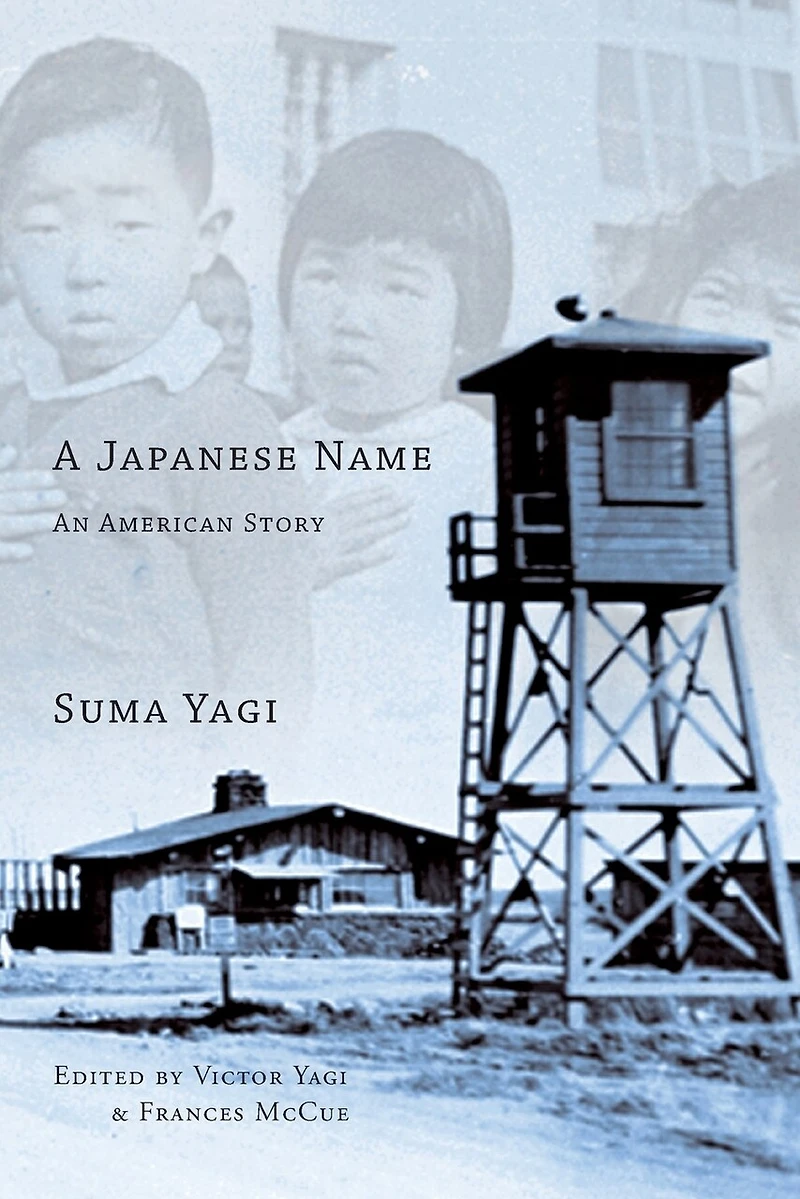
In 1942, when she was 15 years old and a freshman at Garfield High School, Suma (Kato) Yagi and her family were forced to leave their home in Seattle.
Executive Order 9066 authorized the mass removal of Japanese Americans from prescribed military zones, which included the West Coast. Suma and her family were sent to the Puyallup Assembly Center, then to the Minidoka "Relocation Center" in Idaho.
Her family returned to Seattle at the end of WWII and Suma completed her senior year of high school. She married Takeo Yagi, whom she met at Minidoka and they raised four children. Although being sent to a concentration camp had a profound impact on her, Suma shared little of her experience with her children until well after she retired. She took an introductory poetry writing course with Professor Nelson Bentley at the University of Washington and that distance learning course, along with subsequent writing courses at UW and at Richard Hugo House, opened up the world of poetry to her and a way to express what had happened to her during the Second World War.
Through poetry, Suma found a hidden voice that allowed her to share her previously suppressed emotions about being uprooted from her home and being put behind barbed wire. She was compelled to share her experiences so that what happened to her does not happen again.
In 1942, when she was 15 years old and a freshman at Garfield High School, Suma (Kato) Yagi and her family were forced to leave their home in Seattle.
Executive Order 9066 authorized the mass removal of Japanese Americans from prescribed military zones, which included the West Coast. Suma and her family were sent to the Puyallup Assembly Center, then to the Minidoka "Relocation Center" in Idaho.
Her family returned to Seattle at the end of WWII and Suma completed her senior year of high school. She married Takeo Yagi, whom she met at Minidoka and they raised four children. Although being sent to a concentration camp had a profound impact on her, Suma shared little of her experience with her children until well after she retired. She took an introductory poetry writing course with Professor Nelson Bentley at the University of Washington and that distance learning course, along with subsequent writing courses at UW and at Richard Hugo House, opened up the world of poetry to her and a way to express what had happened to her during the Second World War.
Through poetry, Suma found a hidden voice that allowed her to share her previously suppressed emotions about being uprooted from her home and being put behind barbed wire. She was compelled to share her experiences so that what happened to her does not happen again.
You May Also Like







More About Coles at Bayshore Shopping Centre
Coles is renowned for its outstanding customer service and great selection of books. Along with the vast array of magazines, stationary, audio-books, children's literature, fiction, non-fiction and reference books, you can find accessories to make your reading experience more pleasurable. We can recommend the very best in reading today. We will help you search our titles for exactly what you need, and if we do not have it in stock, we will order it for you.
100 Bayshore Dr, Nepean, ON K2B 8C1, Canada
Find Coles at Bayshore Shopping Centre in Ottawa, ON
Visit Coles at Bayshore Shopping Centre in Ottawa, ON