

Give the Gift of Choice!
Too many options? Treat your friends and family to their favourite stores with a Bayshore Shopping Centre gift card, redeemable at participating retailers throughout the centre. Click below to purchase yours today!Purchase HereHome
A Law Unto Itself: How the Ontario Municipal Board Has Developed and Applied Land-Use Planning Policy
Coles
Loading Inventory...
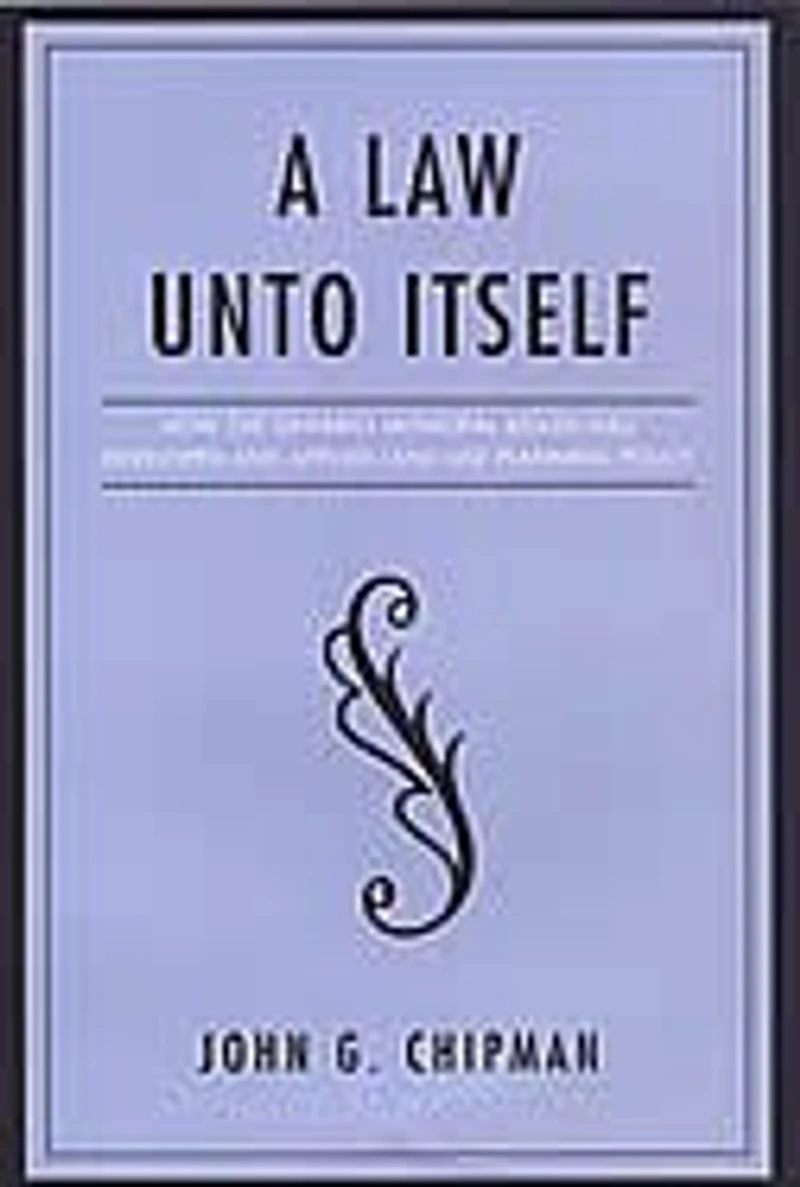
A Law Unto Itself: How the Ontario Municipal Board Has Developed and Applied Land-Use Planning Policy in Ottawa, ON
Current price: $100.00

A Law Unto Itself: How the Ontario Municipal Board Has Developed and Applied Land-Use Planning Policy in Ottawa, ON
Current price: $100.00
Loading Inventory...
Size: Hardcover
*Product information may vary - to confirm product availability, pricing, shipping and return information please contact Coles
A Law Unto Itself provides a detailed examination of the development and application of land use planning policy by the Ontario Municipal Board (OMB), a key Canadian administrative tribunal. Unlike the many existing analyses that focus on judicial reviews of the administrative process, this text explores the administrative process itself and demonstrates how a tribunal creates and implements policy through its decision-making. Using a wide variety of case studies, John Chipman analyzes almost 900 of the OMB's planning-related decisions during two specific time periods (1971-1978 and 1987-2000), illuminating the way in which the OMB frequently overturns municipal land-use planning decisions and imposes its own policies, which are generally protective of private interests, and the way in which it applies provincial planning policies within the context of its own standards. Chipman concludes that the nature of the policies developed by the OMB as well as the changing climate within which it operates together provide evidence that the board has outlived its role as a planning appeal tribunal.
A Law Unto Itself provides a detailed examination of the development and application of land use planning policy by the Ontario Municipal Board (OMB), a key Canadian administrative tribunal. Unlike the many existing analyses that focus on judicial reviews of the administrative process, this text explores the administrative process itself and demonstrates how a tribunal creates and implements policy through its decision-making. Using a wide variety of case studies, John Chipman analyzes almost 900 of the OMB's planning-related decisions during two specific time periods (1971-1978 and 1987-2000), illuminating the way in which the OMB frequently overturns municipal land-use planning decisions and imposes its own policies, which are generally protective of private interests, and the way in which it applies provincial planning policies within the context of its own standards. Chipman concludes that the nature of the policies developed by the OMB as well as the changing climate within which it operates together provide evidence that the board has outlived its role as a planning appeal tribunal.
You May Also Like















More About Coles at Bayshore Shopping Centre
Coles is renowned for its outstanding customer service and great selection of books. Along with the vast array of magazines, stationary, audio-books, children's literature, fiction, non-fiction and reference books, you can find accessories to make your reading experience more pleasurable. We can recommend the very best in reading today. We will help you search our titles for exactly what you need, and if we do not have it in stock, we will order it for you.
100 Bayshore Dr, Nepean, ON K2B 8C1, Canada
Find Coles at Bayshore Shopping Centre in Ottawa, ON
Visit Coles at Bayshore Shopping Centre in Ottawa, ON