

Give the Gift of Choice!
Too many options? Treat your friends and family to their favourite stores with a Bayshore Shopping Centre gift card, redeemable at participating retailers throughout the centre. Click below to purchase yours today!Purchase HereHome
A Light Affliction: a History of Film Preservation and Restoration
Coles
Loading Inventory...
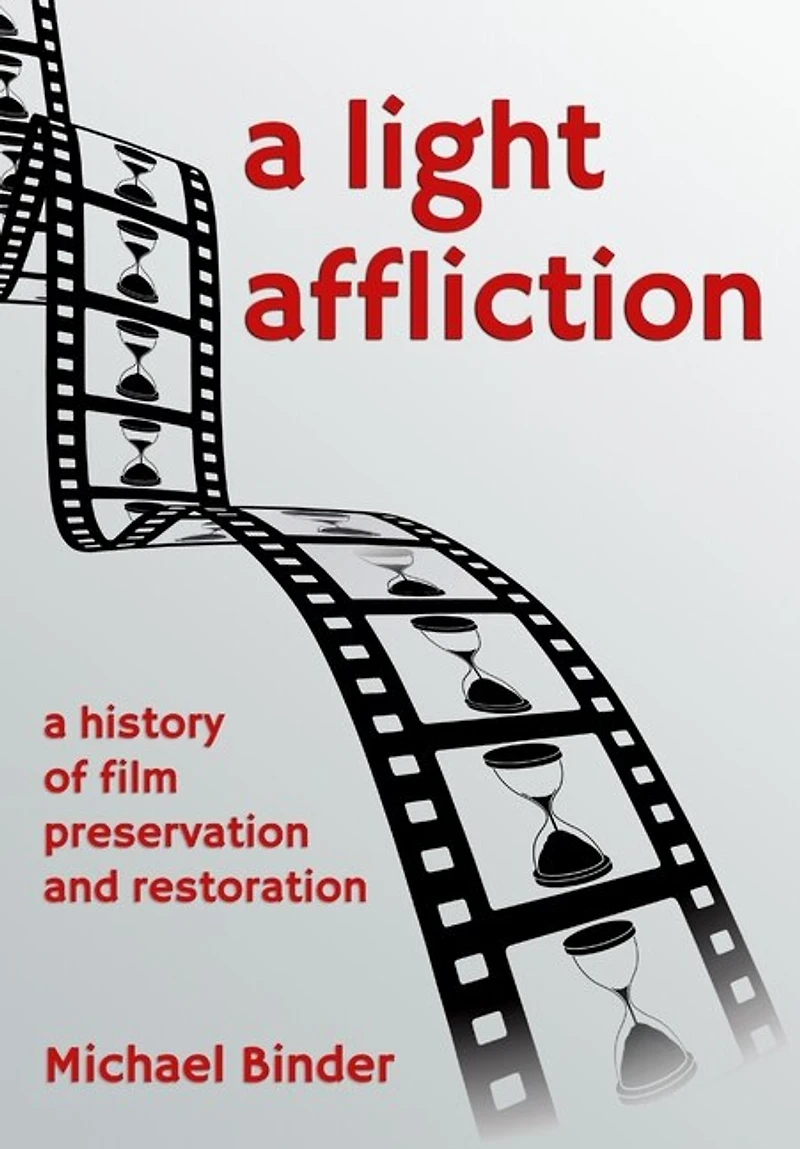
A Light Affliction: a History of Film Preservation and Restoration in Ottawa, ON
Current price: $47.95

A Light Affliction: a History of Film Preservation and Restoration in Ottawa, ON
Current price: $47.95
Loading Inventory...
Size: Hardcover
*Product information may vary - to confirm product availability, pricing, shipping and return information please contact Coles
A history of film preservation and restoration, telling the story from the earliest days of the cinema to the modern days of digital restorations. The cinema was invented in the Victorian era, but for the first four decades of its existence almost no effort was made to preserve the millions of feet of celluloid which rolled through the cameras and projectors of the world. As a result, thousands of movies were lost forever. In the 1930s, the first concerted attempts at film preservation were begun by pioneering individuals such as Iris Barry at New York's Museum of Modern Art; Ernest Lindgren at the British Film Institute, and the indomitable Henri Langlois at the Cinémathèque française, a man who performed heroics in occupied France to save the world's cinematic heritage from destruction by the Nazis. The 1980s video boom encouraged the studios finally to instigate asset protection programmes and in the digital age new methods of producing, exhibiting and restoring motion pictures emerged.
A history of film preservation and restoration, telling the story from the earliest days of the cinema to the modern days of digital restorations. The cinema was invented in the Victorian era, but for the first four decades of its existence almost no effort was made to preserve the millions of feet of celluloid which rolled through the cameras and projectors of the world. As a result, thousands of movies were lost forever. In the 1930s, the first concerted attempts at film preservation were begun by pioneering individuals such as Iris Barry at New York's Museum of Modern Art; Ernest Lindgren at the British Film Institute, and the indomitable Henri Langlois at the Cinémathèque française, a man who performed heroics in occupied France to save the world's cinematic heritage from destruction by the Nazis. The 1980s video boom encouraged the studios finally to instigate asset protection programmes and in the digital age new methods of producing, exhibiting and restoring motion pictures emerged.
You May Also Like










More About Coles at Bayshore Shopping Centre
Coles is renowned for its outstanding customer service and great selection of books. Along with the vast array of magazines, stationary, audio-books, children's literature, fiction, non-fiction and reference books, you can find accessories to make your reading experience more pleasurable. We can recommend the very best in reading today. We will help you search our titles for exactly what you need, and if we do not have it in stock, we will order it for you.
100 Bayshore Dr, Nepean, ON K2B 8C1, Canada
Find Coles at Bayshore Shopping Centre in Ottawa, ON
Visit Coles at Bayshore Shopping Centre in Ottawa, ON