

Give the Gift of Choice!
Too many options? Treat your friends and family to their favourite stores with a Bayshore Shopping Centre gift card, redeemable at participating retailers throughout the centre. Click below to purchase yours today!Purchase HereHome
A Massage Therapist's Guide to Pain, Touch, and Perception
Coles
Loading Inventory...
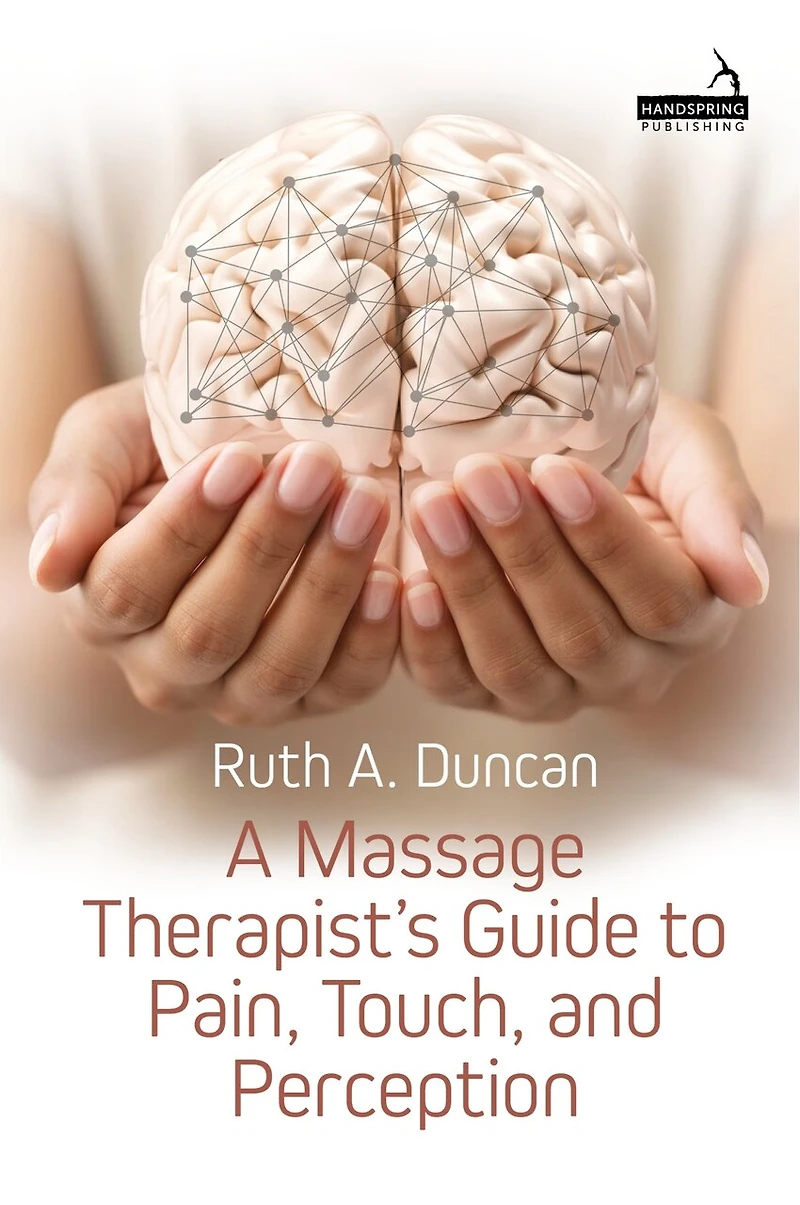
A Massage Therapist's Guide to Pain, Touch, and Perception in Ottawa, ON
Current price: $65.00

A Massage Therapist's Guide to Pain, Touch, and Perception in Ottawa, ON
Current price: $65.00
Loading Inventory...
Size: Paperback
*Product information may vary - to confirm product availability, pricing, shipping and return information please contact Coles
The Massage Therapist's Guide to Pain, Touch and Perception reframes how touch therapists understand and work with pain. Drawing on modern pain science, Ruth A. Duncan challenges traditional tissue‑focused explanations and instead presents pain as a protective output of the brain shaped by biology, emotion, memory, and context.
The author explains key concepts such as nociceptive, neuropathic, and nociplastic pain; the biopsychosocial model; and how the nervous, immune, and endocrine systems interact in persistent pain.
Readers are introduced to the Neuromatrix Theory, Mature Organisms Model, and Neuro Signatures and to the powerful role of language in the therapeutic relationship. Complex neuroscience is translated into clear, clinically relevant ideas for massage therapists, myofascial practitioners and manual therapists.
Rather than positioning the therapist as a 'fixer of broken tissues,' the book invites a more collaborative, person‑centred approach that honours both scientific evidence and lived experience, helping practitioners support clients with persistent pain more safely and effectively.
The Massage Therapist's Guide to Pain, Touch and Perception reframes how touch therapists understand and work with pain. Drawing on modern pain science, Ruth A. Duncan challenges traditional tissue‑focused explanations and instead presents pain as a protective output of the brain shaped by biology, emotion, memory, and context.
The author explains key concepts such as nociceptive, neuropathic, and nociplastic pain; the biopsychosocial model; and how the nervous, immune, and endocrine systems interact in persistent pain.
Readers are introduced to the Neuromatrix Theory, Mature Organisms Model, and Neuro Signatures and to the powerful role of language in the therapeutic relationship. Complex neuroscience is translated into clear, clinically relevant ideas for massage therapists, myofascial practitioners and manual therapists.
Rather than positioning the therapist as a 'fixer of broken tissues,' the book invites a more collaborative, person‑centred approach that honours both scientific evidence and lived experience, helping practitioners support clients with persistent pain more safely and effectively.
You May Also Like











More About Coles at Bayshore Shopping Centre
Coles is renowned for its outstanding customer service and great selection of books. Along with the vast array of magazines, stationary, audio-books, children's literature, fiction, non-fiction and reference books, you can find accessories to make your reading experience more pleasurable. We can recommend the very best in reading today. We will help you search our titles for exactly what you need, and if we do not have it in stock, we will order it for you.
100 Bayshore Dr, Nepean, ON K2B 8C1, Canada
Find Coles at Bayshore Shopping Centre in Ottawa, ON
Visit Coles at Bayshore Shopping Centre in Ottawa, ON