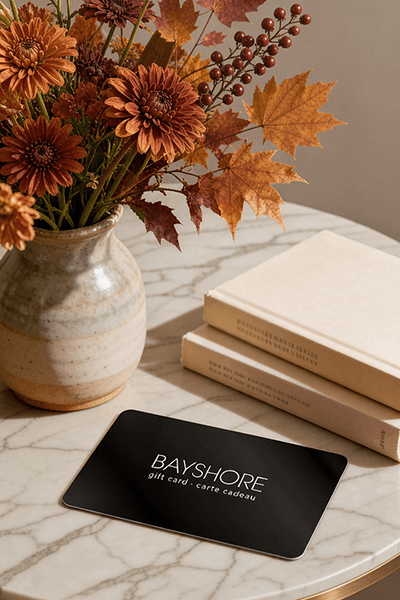
Too many options? Treat your friends and family to their favourite stores with a Bayshore Shopping Centre gift card, redeemable at participating retailers throughout the centre. Click below to purchase yours today!Purchase Here
Coles A New God in the Diaspora?: Muneeswaran Worship in Contemporary Singapore at Bayshore Shopping Centre in Ottawa, ON
*Product information may vary - to confirm product availability, pricing, shipping and return information please contact Coles
A New God in the Diaspora explores the worship of a Hindu deity known as Muneeswaran in contemporary Singapore. The strong presence and veneration of this male deity on the island, and the innovative styles of religiosity now associated with him, justify calling Muneeswaran a 'new god' in the Indian diaspora. In examining Muneeswaran, Vineeta Sinha documents a neglected aspect of local Hinduism and the ritual domain surrounding guardian deities (kaaval deivan). She also considers a broader question, asking why this deity, brought from Tamilnadu to Malaya more than 170 years ago, has developed a powerful appeal for young Singaporean Hindus three and four generations removed from their Indian origins. Her discussion of these issues provides an ethnographic documentation of urban-based Hindu religiosity in contemporary Singapore, and makes an important contribution to the global study of diasporic religious experience.
A New God in the Diaspora explores the worship of a Hindu deity known as Muneeswaran in contemporary Singapore. The strong presence and veneration of this male deity on the island, and the innovative styles of religiosity now associated with him, justify calling Muneeswaran a 'new god' in the Indian diaspora. In examining Muneeswaran, Vineeta Sinha documents a neglected aspect of local Hinduism and the ritual domain surrounding guardian deities (kaaval deivan). She also considers a broader question, asking why this deity, brought from Tamilnadu to Malaya more than 170 years ago, has developed a powerful appeal for young Singaporean Hindus three and four generations removed from their Indian origins. Her discussion of these issues provides an ethnographic documentation of urban-based Hindu religiosity in contemporary Singapore, and makes an important contribution to the global study of diasporic religious experience.
Coles is renowned for its outstanding customer service and great selection of books. Along with the vast array of magazines, stationary, audio-books, children's literature, fiction, non-fiction and reference books, you can find accessories to make your reading experience more pleasurable. We can recommend the very best in reading today. We will help you search our titles for exactly what you need, and if we do not have it in stock, we will order it for you.