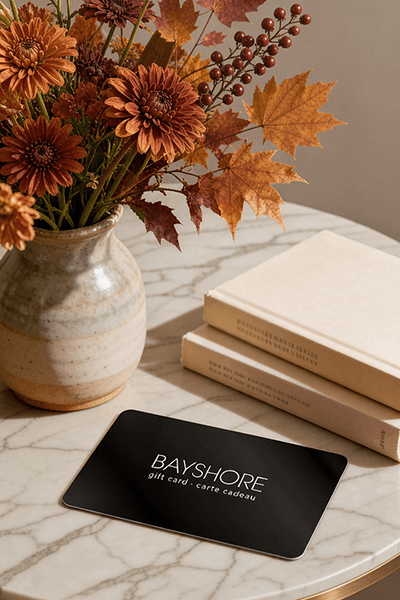
Too many options? Treat your friends and family to their favourite stores with a Bayshore Shopping Centre gift card, redeemable at participating retailers throughout the centre. Click below to purchase yours today!Purchase Here
Coles A One-Legged Stool: How Shareholder Primacy Has Broken Business (And What We Can Do About It) at Bayshore Shopping Centre in Ottawa, ON
*Product information may vary - to confirm product availability, pricing, shipping and return information please contact Coles
Have you ever wondered if business needs to be so...unbalanced? Is putting shareholders above everyone else the only way for private enterprise to be successful? Is that "just the way it is?" The short answer is "no." Before "shareholder primacy" took hold in the 1970s, investors weren't more important than other stakeholders. Companies balanced the interests of all the legs of the corporate stool - customers, employees, communities, and shareholders - and everyone's life got better. So, what happened? How did we get to today, where "maximizing shareholder value" is seen as the panacea for all the world's ills? And, more importantly, what's the path forward that allows business to profit by applying its significant resources to solving society's problems, rather than making them worse? We all rely on the stool of business to elevate our lives. Let's fix it before it collapses.
Have you ever wondered if business needs to be so...unbalanced? Is putting shareholders above everyone else the only way for private enterprise to be successful? Is that "just the way it is?" The short answer is "no." Before "shareholder primacy" took hold in the 1970s, investors weren't more important than other stakeholders. Companies balanced the interests of all the legs of the corporate stool - customers, employees, communities, and shareholders - and everyone's life got better. So, what happened? How did we get to today, where "maximizing shareholder value" is seen as the panacea for all the world's ills? And, more importantly, what's the path forward that allows business to profit by applying its significant resources to solving society's problems, rather than making them worse? We all rely on the stool of business to elevate our lives. Let's fix it before it collapses.
Coles is renowned for its outstanding customer service and great selection of books. Along with the vast array of magazines, stationary, audio-books, children's literature, fiction, non-fiction and reference books, you can find accessories to make your reading experience more pleasurable. We can recommend the very best in reading today. We will help you search our titles for exactly what you need, and if we do not have it in stock, we will order it for you.