

Give the Gift of Choice!
Too many options? Treat your friends and family to their favourite stores with a Bayshore Shopping Centre gift card, redeemable at participating retailers throughout the centre. Click below to purchase yours today!Purchase HereHome
A Persistent Place: A Landscape Approach to the Prehistoric Archaeology of the Greenlee Tract in Southern Ohio
Coles
Loading Inventory...
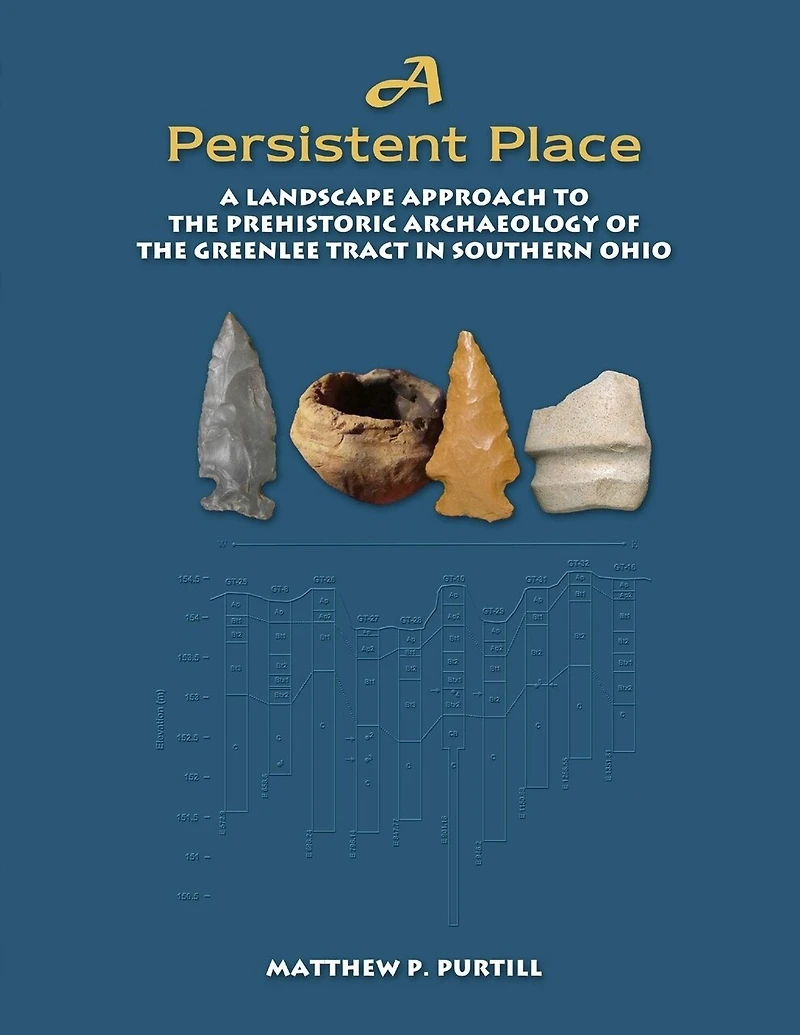
A Persistent Place: A Landscape Approach to the Prehistoric Archaeology of the Greenlee Tract in Southern Ohio in Ottawa, ON
Current price: $32.50

A Persistent Place: A Landscape Approach to the Prehistoric Archaeology of the Greenlee Tract in Southern Ohio in Ottawa, ON
Current price: $32.50
Loading Inventory...
Size: Paperback
*Product information may vary - to confirm product availability, pricing, shipping and return information please contact Coles
Long-term archaeological investigations at the Greenlee Tract by Gray & Pape, Inc., revealed significant evidence for over 10,000 years of Native American utilization of southern Ohio's ancient landscape. Using a siteless landscape approach, this book presents a comprehensive summary of all past work. Various topics are discussed including landscape development, environmental patterns and cycles, settlement patterning and subsistence strategies, and social organization. Several unique archaeological findings are reported upon including the discovery of one of the largest Middle-Late Woodland (A.D. 300-600) villages in the region; the documentation of a rare open-aired, Early Woodland (700 - 100 B.C.) ceremonial structure; and some of the best evidence for Middle Archaic (6500-4000 B.C.) occupation found anywhere in the state. Rarely has such an array of topics been addressed in a single monograph project.
Long-term archaeological investigations at the Greenlee Tract by Gray & Pape, Inc., revealed significant evidence for over 10,000 years of Native American utilization of southern Ohio's ancient landscape. Using a siteless landscape approach, this book presents a comprehensive summary of all past work. Various topics are discussed including landscape development, environmental patterns and cycles, settlement patterning and subsistence strategies, and social organization. Several unique archaeological findings are reported upon including the discovery of one of the largest Middle-Late Woodland (A.D. 300-600) villages in the region; the documentation of a rare open-aired, Early Woodland (700 - 100 B.C.) ceremonial structure; and some of the best evidence for Middle Archaic (6500-4000 B.C.) occupation found anywhere in the state. Rarely has such an array of topics been addressed in a single monograph project.
You May Also Like














More About Coles at Bayshore Shopping Centre
Coles is renowned for its outstanding customer service and great selection of books. Along with the vast array of magazines, stationary, audio-books, children's literature, fiction, non-fiction and reference books, you can find accessories to make your reading experience more pleasurable. We can recommend the very best in reading today. We will help you search our titles for exactly what you need, and if we do not have it in stock, we will order it for you.
100 Bayshore Dr, Nepean, ON K2B 8C1, Canada
Find Coles at Bayshore Shopping Centre in Ottawa, ON
Visit Coles at Bayshore Shopping Centre in Ottawa, ON