

Give the Gift of Choice!
Too many options? Treat your friends and family to their favourite stores with a Bayshore Shopping Centre gift card, redeemable at participating retailers throughout the centre. Click below to purchase yours today!Purchase HereHome
A Place with No Reason
Coles
Loading Inventory...
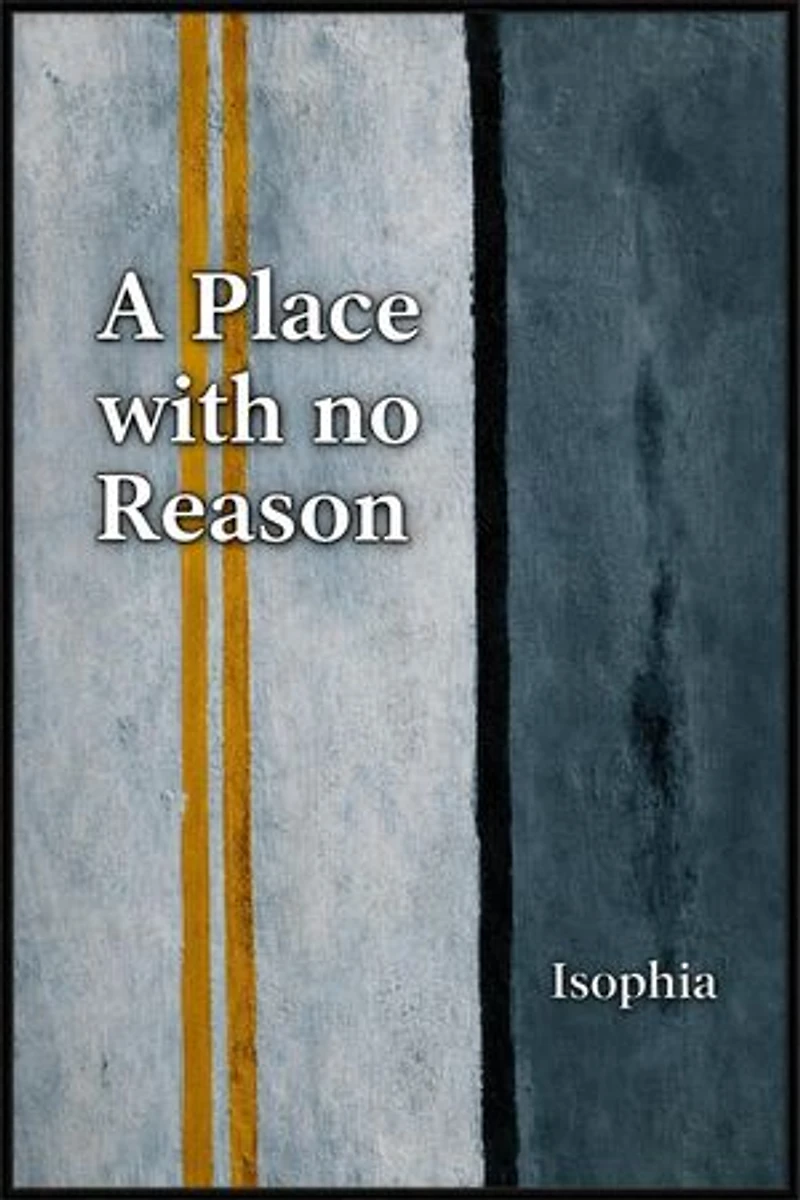
A Place with No Reason in Ottawa, ON
Current price: $6.99

A Place with No Reason in Ottawa, ON
Current price: $6.99
Loading Inventory...
Size: Kobo eBook
*Product information may vary - to confirm product availability, pricing, shipping and return information please contact Coles
Movement is often imagined as escape, but what presses closer here is not distance—it is memory. Departure begins not with hope, but with the sustained exhaustion of remaining.
A Place with No Reason follows a solitary narrator whose desire to move persists without ever securing a sufficient reason. The story unfolds through repetition, hesitation, and the appearance of unstable figures—an amoeba, imagined witnesses, remnants of abandoned relations—that do not function as symbols to be solved, but as pressures shaping the conditions of movement itself. Memory operates not as recollection, but as a force that inscribes itself onto the body, repeating even where erasure is desired. The narrative resists resolution, offering neither catharsis nor arrival. Instead, it remains with the act of turning toward a place that cannot fully be reached, carrying forward what was meant to be left behind. Movement is presented not as progress, but as a state continually negotiated.
Movement is often imagined as escape, but what presses closer here is not distance—it is memory. Departure begins not with hope, but with the sustained exhaustion of remaining.
A Place with No Reason follows a solitary narrator whose desire to move persists without ever securing a sufficient reason. The story unfolds through repetition, hesitation, and the appearance of unstable figures—an amoeba, imagined witnesses, remnants of abandoned relations—that do not function as symbols to be solved, but as pressures shaping the conditions of movement itself. Memory operates not as recollection, but as a force that inscribes itself onto the body, repeating even where erasure is desired. The narrative resists resolution, offering neither catharsis nor arrival. Instead, it remains with the act of turning toward a place that cannot fully be reached, carrying forward what was meant to be left behind. Movement is presented not as progress, but as a state continually negotiated.
You May Also Like














More About Coles at Bayshore Shopping Centre
Coles is renowned for its outstanding customer service and great selection of books. Along with the vast array of magazines, stationary, audio-books, children's literature, fiction, non-fiction and reference books, you can find accessories to make your reading experience more pleasurable. We can recommend the very best in reading today. We will help you search our titles for exactly what you need, and if we do not have it in stock, we will order it for you.
100 Bayshore Dr, Nepean, ON K2B 8C1, Canada
Find Coles at Bayshore Shopping Centre in Ottawa, ON
Visit Coles at Bayshore Shopping Centre in Ottawa, ON