

Give the Gift of Choice!
Too many options? Treat your friends and family to their favourite stores with a Bayshore Shopping Centre gift card, redeemable at participating retailers throughout the centre. Click below to purchase yours today!Purchase HereHome
A Polyvagal Informed Approach to Therapeutic Work with Children and Young People
Coles
Loading Inventory...
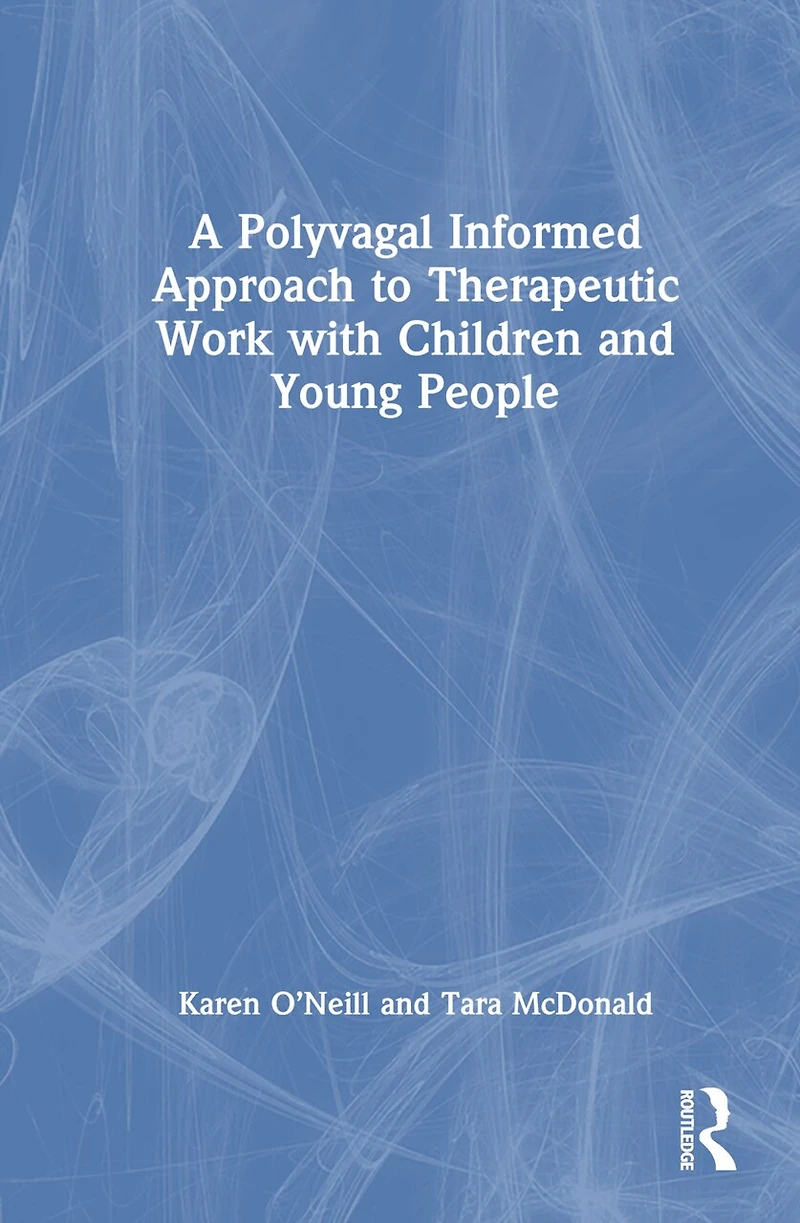
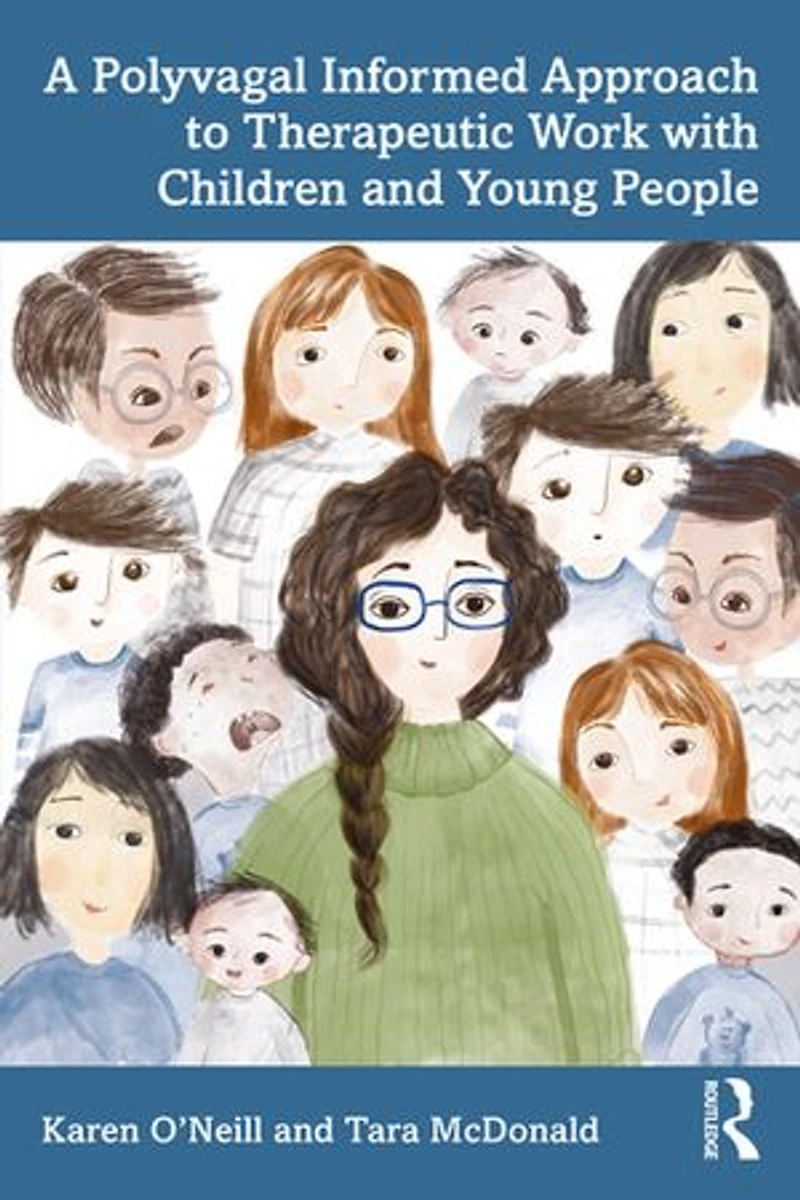
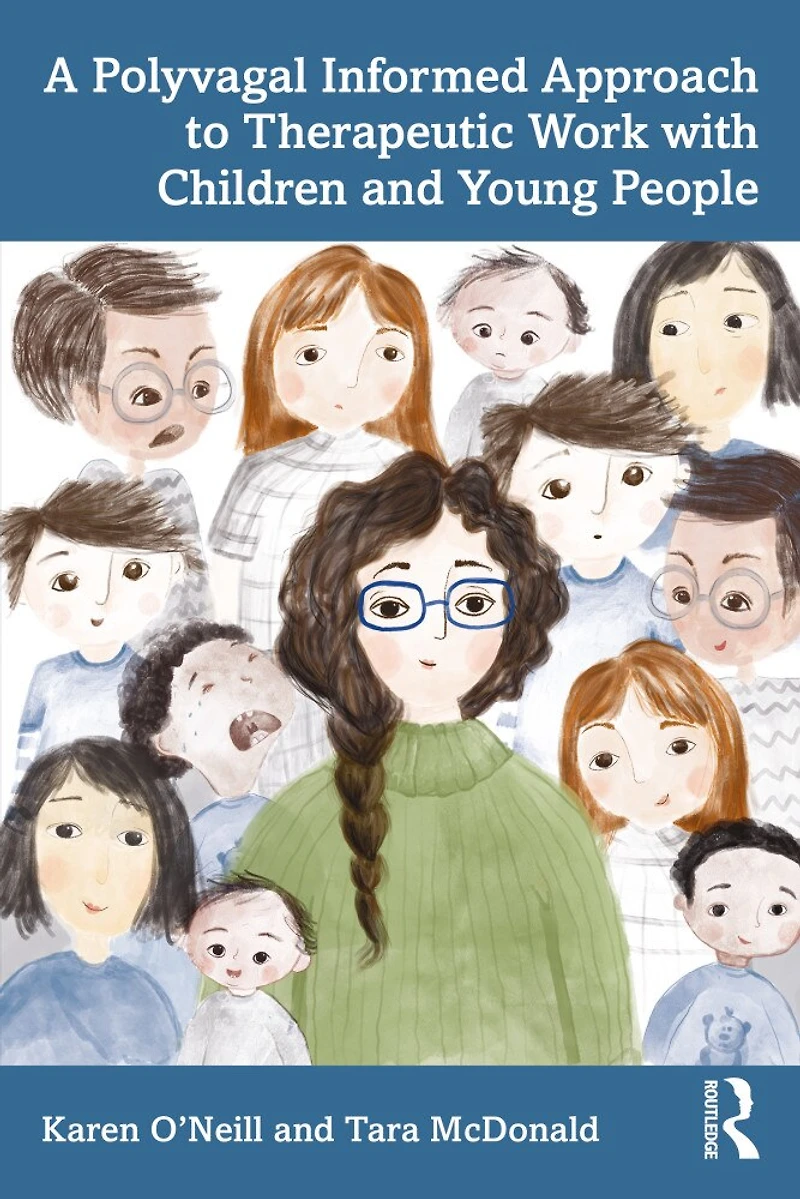
A Polyvagal Informed Approach to Therapeutic Work with Children and Young People in Ottawa, ON
Current price: $346.50

A Polyvagal Informed Approach to Therapeutic Work with Children and Young People in Ottawa, ON
Current price: $346.50
Loading Inventory...
Size: Hardcover
*Product information may vary - to confirm product availability, pricing, shipping and return information please contact Coles
A Polyvagal Informed Approach to Therapeutic Work with Children and Young People presents a guide to best supporting children and young people through a polyvagal lens. Through this neurophysiological framework of the Polyvagal Theory, the authors consider why children adopt protective strategies, unravelling the mysteries of the nervous system, emotions, and social connection. Linking aspects of attachment theory, developmental trauma, and adverse childhood experiences, the authors explore what shapes behaviour. They delve into perspectives of play and metaphor within the context of the Polyvagal Theory, utilising six storytellers who bring this theory to life, embodying real struggles and highlighting the adaptations children make for survival. Throughout this book, clear explanations, practical examples, and actionable strategies are offered to help the reader to understand and apply a polyvagal framework when working with children and young people. This text is an accessible and important resource for all qualified child therapists, trainees, and professionals interested in the mental health of children and young people.
A Polyvagal Informed Approach to Therapeutic Work with Children and Young People presents a guide to best supporting children and young people through a polyvagal lens. Through this neurophysiological framework of the Polyvagal Theory, the authors consider why children adopt protective strategies, unravelling the mysteries of the nervous system, emotions, and social connection. Linking aspects of attachment theory, developmental trauma, and adverse childhood experiences, the authors explore what shapes behaviour. They delve into perspectives of play and metaphor within the context of the Polyvagal Theory, utilising six storytellers who bring this theory to life, embodying real struggles and highlighting the adaptations children make for survival. Throughout this book, clear explanations, practical examples, and actionable strategies are offered to help the reader to understand and apply a polyvagal framework when working with children and young people. This text is an accessible and important resource for all qualified child therapists, trainees, and professionals interested in the mental health of children and young people.
You May Also Like










More About Coles at Bayshore Shopping Centre
Coles is renowned for its outstanding customer service and great selection of books. Along with the vast array of magazines, stationary, audio-books, children's literature, fiction, non-fiction and reference books, you can find accessories to make your reading experience more pleasurable. We can recommend the very best in reading today. We will help you search our titles for exactly what you need, and if we do not have it in stock, we will order it for you.
100 Bayshore Dr, Nepean, ON K2B 8C1, Canada
Find Coles at Bayshore Shopping Centre in Ottawa, ON
Visit Coles at Bayshore Shopping Centre in Ottawa, ON