

Give the Gift of Choice!
Too many options? Treat your friends and family to their favourite stores with a Bayshore Shopping Centre gift card, redeemable at participating retailers throughout the centre. Click below to purchase yours today!Purchase HereHome
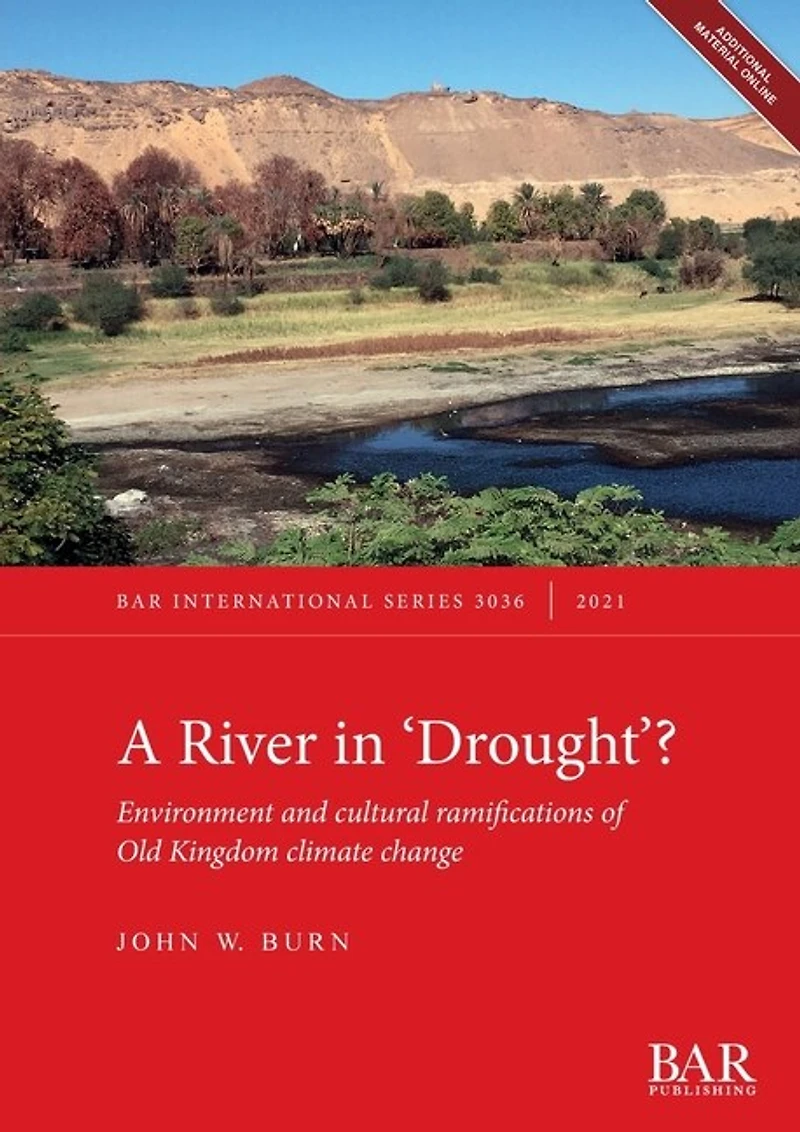
A River In 'Drought'?: Environment and cultural ramifications of Old Kingdom climate change
Coles
Loading Inventory...
A River In 'Drought'?: Environment and cultural ramifications of Old Kingdom climate change in Ottawa, ON
Current price: $69.00

A River In 'Drought'?: Environment and cultural ramifications of Old Kingdom climate change in Ottawa, ON
Current price: $69.00
Loading Inventory...
Size: Paperback
*Product information may vary - to confirm product availability, pricing, shipping and return information please contact Coles
While the idea of a catastrophic drought ending the Old Kingdom has been shown to be too simple an explanation, current research suggests that some climatic change was occurring at this time. Increasing aridity, developing since the third Dynasty, was punctuated with times of unseasonal rain, and both these events would have had some impact upon the environmental circumstances present in the river. This book presents ecological analyses of the riverine habitat as it may have developed in times of excess nutrient load within the river and explores possible environmental consequences. By tracing changes in the tomb decoration repertoire, the author also explores a potential cultural response to the climatic shifts occurring at that time.
While the idea of a catastrophic drought ending the Old Kingdom has been shown to be too simple an explanation, current research suggests that some climatic change was occurring at this time. Increasing aridity, developing since the third Dynasty, was punctuated with times of unseasonal rain, and both these events would have had some impact upon the environmental circumstances present in the river. This book presents ecological analyses of the riverine habitat as it may have developed in times of excess nutrient load within the river and explores possible environmental consequences. By tracing changes in the tomb decoration repertoire, the author also explores a potential cultural response to the climatic shifts occurring at that time.
You May Also Like









More About Coles at Bayshore Shopping Centre
Coles is renowned for its outstanding customer service and great selection of books. Along with the vast array of magazines, stationary, audio-books, children's literature, fiction, non-fiction and reference books, you can find accessories to make your reading experience more pleasurable. We can recommend the very best in reading today. We will help you search our titles for exactly what you need, and if we do not have it in stock, we will order it for you.
100 Bayshore Dr, Nepean, ON K2B 8C1, Canada
Find Coles at Bayshore Shopping Centre in Ottawa, ON
Visit Coles at Bayshore Shopping Centre in Ottawa, ON