

Give the Gift of Choice!
Too many options? Treat your friends and family to their favourite stores with a Bayshore Shopping Centre gift card, redeemable at participating retailers throughout the centre. Click below to purchase yours today!Purchase HereHome
A Semiotics of Muslimness China
Coles
Loading Inventory...
A Semiotics of Muslimness China in Ottawa, ON
Current price: $94.73

A Semiotics of Muslimness China in Ottawa, ON
Current price: $94.73
Loading Inventory...
Size: Hardcover
*Product information may vary - to confirm product availability, pricing, shipping and return information please contact Coles
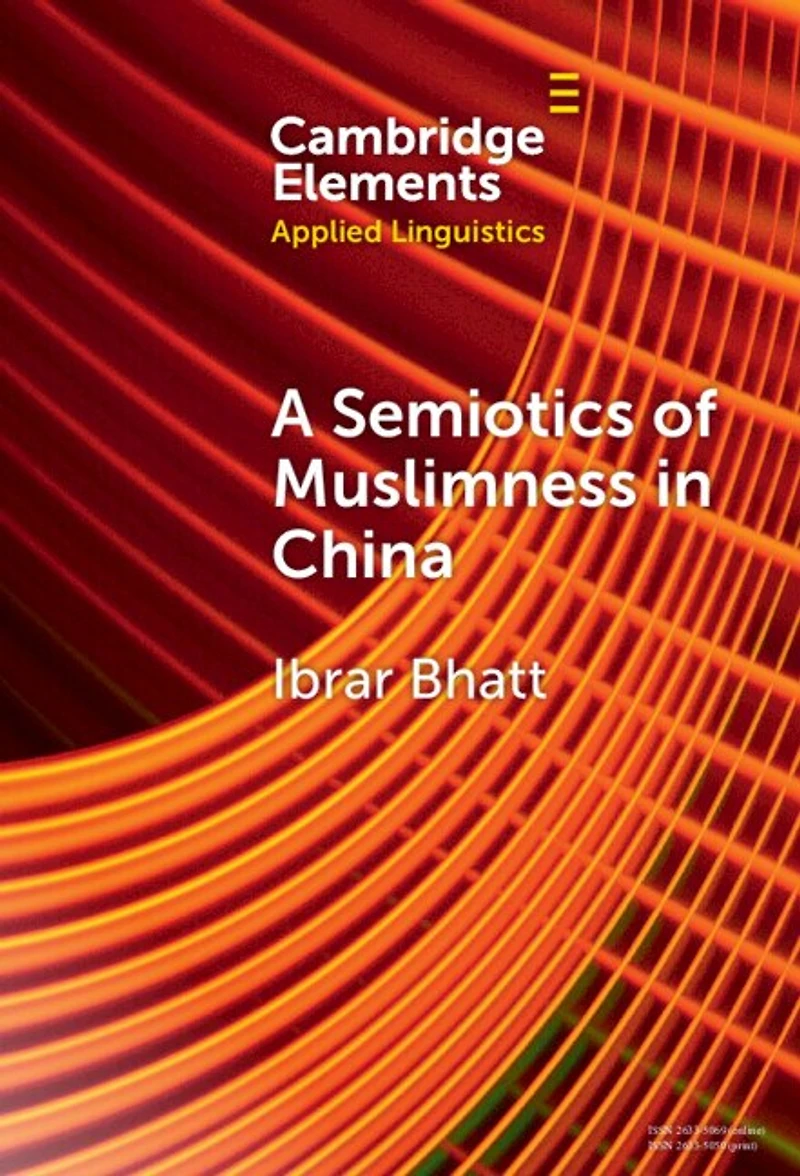
This Element examines the semiotics of Sino-Muslim heritage literacy in a way that integrates its Perso-Arabic textual qualities with broader cultural semiotic forms. Using data from images of the linguistic landscape of Sino-Muslim life alongside interviews with Sino-Muslims about their heritage, the author examines how signs of 'Muslimness' are displayed and manipulated in both covert and overt means in different contexts. In so doing the author offers a 'semiotics of Muslimness' in China and considers how forms of language and materiality have the power to inspire meanings and identifications for Sino-Muslims and understanding of their heritage literacy. The author employs theoretical tools from linguistic anthropology and an understanding of semiotic assemblage to demonstrate how signifiers of Chinese Muslimness are invoked to substantiate heritage and Sino-Muslim identity constructions even when its expression must be covert, liminal, and unconventional.
This Element examines the semiotics of Sino-Muslim heritage literacy in a way that integrates its Perso-Arabic textual qualities with broader cultural semiotic forms. Using data from images of the linguistic landscape of Sino-Muslim life alongside interviews with Sino-Muslims about their heritage, the author examines how signs of 'Muslimness' are displayed and manipulated in both covert and overt means in different contexts. In so doing the author offers a 'semiotics of Muslimness' in China and considers how forms of language and materiality have the power to inspire meanings and identifications for Sino-Muslims and understanding of their heritage literacy. The author employs theoretical tools from linguistic anthropology and an understanding of semiotic assemblage to demonstrate how signifiers of Chinese Muslimness are invoked to substantiate heritage and Sino-Muslim identity constructions even when its expression must be covert, liminal, and unconventional.
You May Also Like







More About Coles at Bayshore Shopping Centre
Coles is renowned for its outstanding customer service and great selection of books. Along with the vast array of magazines, stationary, audio-books, children's literature, fiction, non-fiction and reference books, you can find accessories to make your reading experience more pleasurable. We can recommend the very best in reading today. We will help you search our titles for exactly what you need, and if we do not have it in stock, we will order it for you.
100 Bayshore Dr, Nepean, ON K2B 8C1, Canada
Find Coles at Bayshore Shopping Centre in Ottawa, ON
Visit Coles at Bayshore Shopping Centre in Ottawa, ON