

Give the Gift of Choice!
Too many options? Treat your friends and family to their favourite stores with a Bayshore Shopping Centre gift card, redeemable at participating retailers throughout the centre. Click below to purchase yours today!Purchase HereHome
A Square Meal Lib/E: Culinary History of the Great Depression
Coles
Loading Inventory...
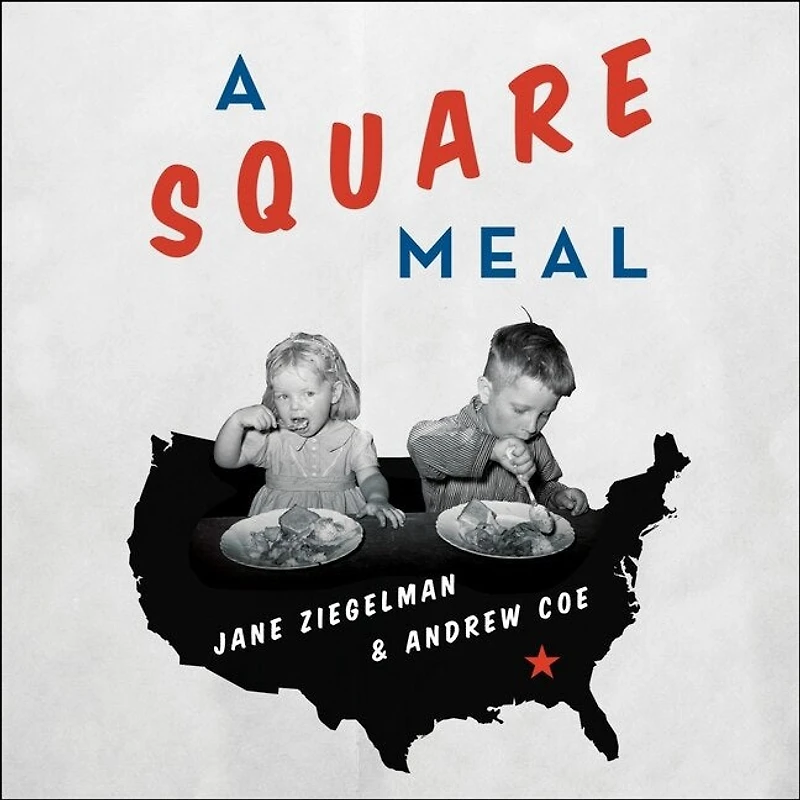
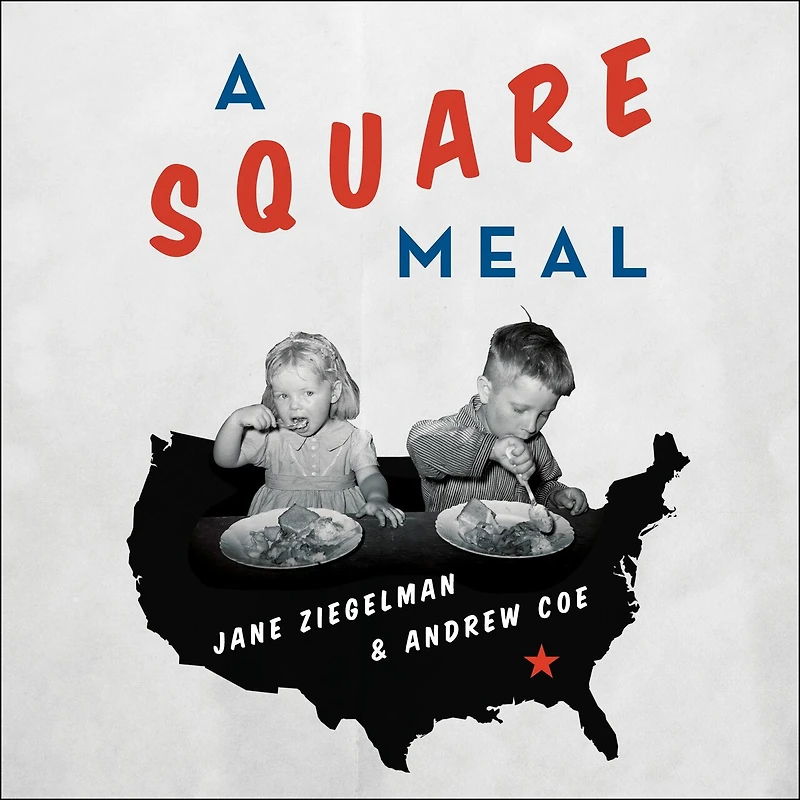
A Square Meal Lib/E: Culinary History of the Great Depression in Ottawa, ON
Current price: $22.50

A Square Meal Lib/E: Culinary History of the Great Depression in Ottawa, ON
Current price: $22.50
Loading Inventory...
Size: Audiobook (2016 A)
*Product information may vary - to confirm product availability, pricing, shipping and return information please contact Coles
The decade-long Great Depression, a period of shifts in the country's political and social landscape, forever changed the way America eats. Before 1929, America's relationship with food was defined by abundance. But the collapse of the economy, in both urban and rural America, left a quarter of all Americans out of work and undernourished--shattering long-held assumptions about the limitlessness of the national larder. In 1933, as women struggled to feed their families, President Roosevelt reversed long-standing biases toward government-sponsored food charity. For the first time in American history, the federal government assumed, for a while, responsibility for feeding its citizens. The effects were widespread. Championed by Eleanor Roosevelt, home economists who had long fought to bring science into the kitchen rose to national stature. Through the Bureau of Home Economics, these women led a sweeping campaign to instill dietary recommendations, the forerunners of today's Dietary Guidelines for Americans. At the same time, expanding conglomerates introduced packaged and processed foods, which led to a new American cuisine based on speed and convenience. This movement toward a homogenized national diet sparked a revival of American regional cooking that continues to this day.
The decade-long Great Depression, a period of shifts in the country's political and social landscape, forever changed the way America eats. Before 1929, America's relationship with food was defined by abundance. But the collapse of the economy, in both urban and rural America, left a quarter of all Americans out of work and undernourished--shattering long-held assumptions about the limitlessness of the national larder. In 1933, as women struggled to feed their families, President Roosevelt reversed long-standing biases toward government-sponsored food charity. For the first time in American history, the federal government assumed, for a while, responsibility for feeding its citizens. The effects were widespread. Championed by Eleanor Roosevelt, home economists who had long fought to bring science into the kitchen rose to national stature. Through the Bureau of Home Economics, these women led a sweeping campaign to instill dietary recommendations, the forerunners of today's Dietary Guidelines for Americans. At the same time, expanding conglomerates introduced packaged and processed foods, which led to a new American cuisine based on speed and convenience. This movement toward a homogenized national diet sparked a revival of American regional cooking that continues to this day.
You May Also Like
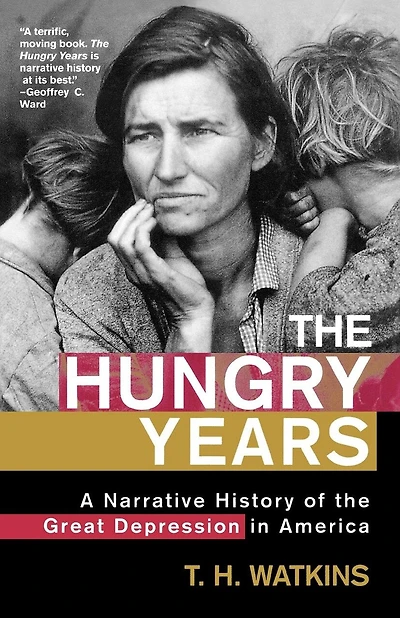

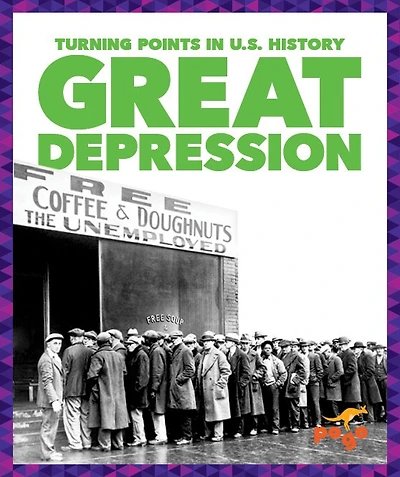








More About Coles at Bayshore Shopping Centre
Coles is renowned for its outstanding customer service and great selection of books. Along with the vast array of magazines, stationary, audio-books, children's literature, fiction, non-fiction and reference books, you can find accessories to make your reading experience more pleasurable. We can recommend the very best in reading today. We will help you search our titles for exactly what you need, and if we do not have it in stock, we will order it for you.
100 Bayshore Dr, Nepean, ON K2B 8C1, Canada
Find Coles at Bayshore Shopping Centre in Ottawa, ON
Visit Coles at Bayshore Shopping Centre in Ottawa, ON