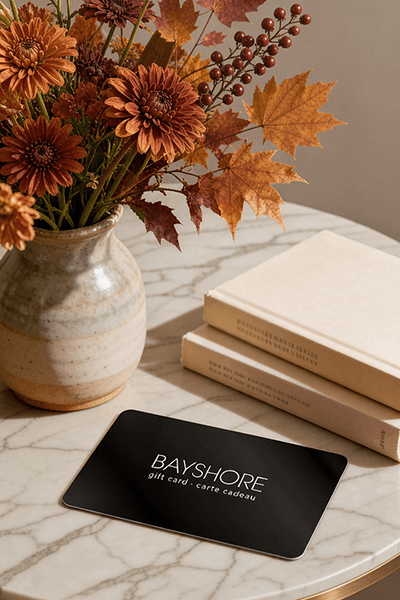
Too many options? Treat your friends and family to their favourite stores with a Bayshore Shopping Centre gift card, redeemable at participating retailers throughout the centre. Click below to purchase yours today!Purchase Here
Coles A Thousand Thirsty Beaches: Smuggling Alcohol from Cuba to the South during Prohibition at Bayshore Shopping Centre in Ottawa, ON
*Product information may vary - to confirm product availability, pricing, shipping and return information please contact Coles
Lisa Lindquist Dorr tells the story of the vast smuggling network that brought high-end distilled spirits and, eventually, other cargoes (including undocumented immigrants) from Great Britain and Europe through Cuba to the United States between 1920 and the end of Prohibition. Because of their proximity to liquor-exporting islands, the numerous beaches along the southern coast presented ideal landing points for smugglers and distribution points for their supply networks. From the warehouses of liquor wholesalers in Havana to the decks of rum runners to transportation networks heading northward, Dorr explores these operations, from the people who ran the trade to the determined efforts of the U.S. Coast Guard and other law enforcement agencies to stop liquor traffic on the high seas, in Cuba, and in southern communities. In the process, she shows the role smuggling played in creating a more transnational, enterprising, and modern South.
Lisa Lindquist Dorr tells the story of the vast smuggling network that brought high-end distilled spirits and, eventually, other cargoes (including undocumented immigrants) from Great Britain and Europe through Cuba to the United States between 1920 and the end of Prohibition. Because of their proximity to liquor-exporting islands, the numerous beaches along the southern coast presented ideal landing points for smugglers and distribution points for their supply networks. From the warehouses of liquor wholesalers in Havana to the decks of rum runners to transportation networks heading northward, Dorr explores these operations, from the people who ran the trade to the determined efforts of the U.S. Coast Guard and other law enforcement agencies to stop liquor traffic on the high seas, in Cuba, and in southern communities. In the process, she shows the role smuggling played in creating a more transnational, enterprising, and modern South.
Coles is renowned for its outstanding customer service and great selection of books. Along with the vast array of magazines, stationary, audio-books, children's literature, fiction, non-fiction and reference books, you can find accessories to make your reading experience more pleasurable. We can recommend the very best in reading today. We will help you search our titles for exactly what you need, and if we do not have it in stock, we will order it for you.