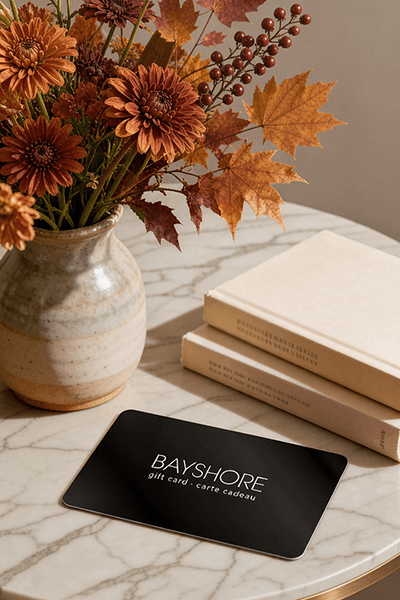
Too many options? Treat your friends and family to their favourite stores with a Bayshore Shopping Centre gift card, redeemable at participating retailers throughout the centre. Click below to purchase yours today!Purchase Here
Coles A Village from the Roman and Islamic Periods in the Eastern Jordan Valley: Excavations at Tell Abu Sarbut 2012 - 2015 at Bayshore Shopping Centre in Ottawa, ON
*Product information may vary - to confirm product availability, pricing, shipping and return information please contact Coles
From 2012 to 2015, a team of scholars under the auspices of Groningen University excavated at Tell Abu Sarbut in the Eastern Jordan Valley. They uncovered Early Roman, Early Islamic and Middle Islamic remains. The Early Roman occupation was unexpected, as this period had not been documented in regional surveys or when the site was last excavated in 1988-1992. Evidence suggests the inhabitants of the estate or village had strong ties with Jewish communities west of the River Jordan. The three-meter-thick deposit of Early Islamic occupation showed the region's interaction with the wider Islamic world. Middle Islamic remains had been extensively excavated in the earlier excavation as well.The publication includes studies on architecture, pottery and other finds, as well as the occupational history of the site.
From 2012 to 2015, a team of scholars under the auspices of Groningen University excavated at Tell Abu Sarbut in the Eastern Jordan Valley. They uncovered Early Roman, Early Islamic and Middle Islamic remains. The Early Roman occupation was unexpected, as this period had not been documented in regional surveys or when the site was last excavated in 1988-1992. Evidence suggests the inhabitants of the estate or village had strong ties with Jewish communities west of the River Jordan. The three-meter-thick deposit of Early Islamic occupation showed the region's interaction with the wider Islamic world. Middle Islamic remains had been extensively excavated in the earlier excavation as well.The publication includes studies on architecture, pottery and other finds, as well as the occupational history of the site.
Coles is renowned for its outstanding customer service and great selection of books. Along with the vast array of magazines, stationary, audio-books, children's literature, fiction, non-fiction and reference books, you can find accessories to make your reading experience more pleasurable. We can recommend the very best in reading today. We will help you search our titles for exactly what you need, and if we do not have it in stock, we will order it for you.