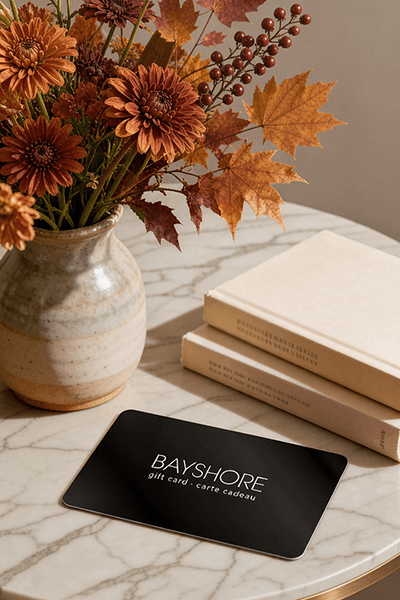
Too many options? Treat your friends and family to their favourite stores with a Bayshore Shopping Centre gift card, redeemable at participating retailers throughout the centre. Click below to purchase yours today!Purchase Here
Coles Abandoned Women and Boudoir Resentment: The Construction of the Feminine Voice in Early Medieval Chinese Literature at Bayshore Shopping Centre in Ottawa, ON
*Product information may vary - to confirm product availability, pricing, shipping and return information please contact Coles
This book studies the formation of the male-constructed conventional voice of women in Chinese literature from the 3rd to 6th century.
It highlights specific moments during which the feminine voice became recognized, accepted, and stabilized, including the shift of focus from the performative to the textual in female representations; the formation of a male literary community; the popularity of romanticized historical narratives; and the emerging sense of literary history.
This study emphasizes the historicity of the feminine voice and strives to question and challenge established notions about textual stability, authorship, the literary canon, and literary history.
This book studies the formation of the male-constructed conventional voice of women in Chinese literature from the 3rd to 6th century.
It highlights specific moments during which the feminine voice became recognized, accepted, and stabilized, including the shift of focus from the performative to the textual in female representations; the formation of a male literary community; the popularity of romanticized historical narratives; and the emerging sense of literary history.
This study emphasizes the historicity of the feminine voice and strives to question and challenge established notions about textual stability, authorship, the literary canon, and literary history.
Coles is renowned for its outstanding customer service and great selection of books. Along with the vast array of magazines, stationary, audio-books, children's literature, fiction, non-fiction and reference books, you can find accessories to make your reading experience more pleasurable. We can recommend the very best in reading today. We will help you search our titles for exactly what you need, and if we do not have it in stock, we will order it for you.