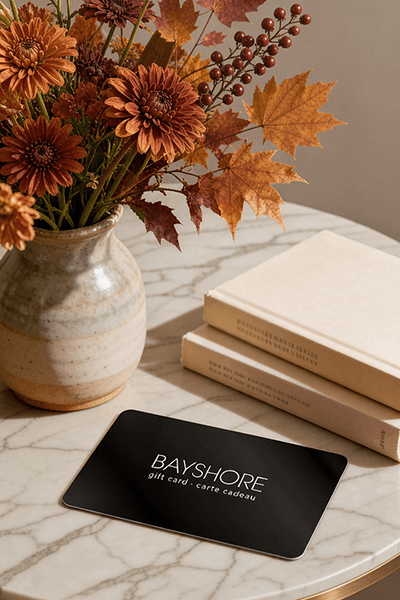
Too many options? Treat your friends and family to their favourite stores with a Bayshore Shopping Centre gift card, redeemable at participating retailers throughout the centre. Click below to purchase yours today!Purchase Here
Coles Ableism as Violence at Bayshore Shopping Centre in Ottawa, ON
*Product information may vary - to confirm product availability, pricing, shipping and return information please contact Coles
Ableism produces measurable harm – to bodies, minds and lives. This book argues it should be understood not just as structural oppression, but as violence.
Drawing on definitions of violence from the World Health Organization and sociologist Sylvia Walby, Beckett and Griffiths develop an original four-part violence-typology: direct harmful acts, failures to act, discretionary denial of care and policy withdrawal of support. Theorising ableism as a dispositif of violence, they apply this framework to hate crimes, microaggressions, institutional confinement, assisted dying and the deprioritisation of disabled lives during COVID-19.
Weaving rigorous analysis with dialogue between a disabled academic-activist and non-disabled ally, this is scholarship as resistance – naming violence where it is too often obscured.
Ableism produces measurable harm – to bodies, minds and lives. This book argues it should be understood not just as structural oppression, but as violence.
Drawing on definitions of violence from the World Health Organization and sociologist Sylvia Walby, Beckett and Griffiths develop an original four-part violence-typology: direct harmful acts, failures to act, discretionary denial of care and policy withdrawal of support. Theorising ableism as a dispositif of violence, they apply this framework to hate crimes, microaggressions, institutional confinement, assisted dying and the deprioritisation of disabled lives during COVID-19.
Weaving rigorous analysis with dialogue between a disabled academic-activist and non-disabled ally, this is scholarship as resistance – naming violence where it is too often obscured.
Coles is renowned for its outstanding customer service and great selection of books. Along with the vast array of magazines, stationary, audio-books, children's literature, fiction, non-fiction and reference books, you can find accessories to make your reading experience more pleasurable. We can recommend the very best in reading today. We will help you search our titles for exactly what you need, and if we do not have it in stock, we will order it for you.