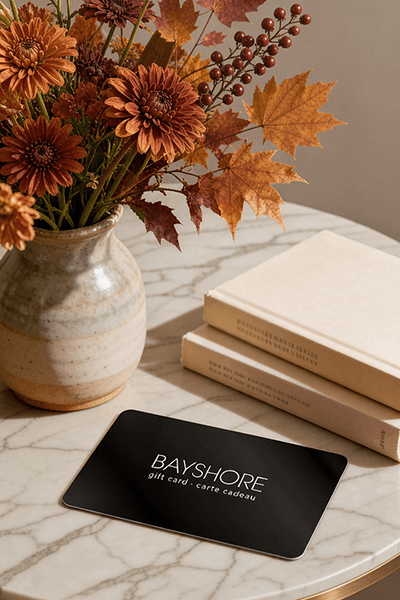
Too many options? Treat your friends and family to their favourite stores with a Bayshore Shopping Centre gift card, redeemable at participating retailers throughout the centre. Click below to purchase yours today!Purchase Here
*Product information may vary - to confirm product availability, pricing, shipping and return information please contact Coles
By exposing and critiquing the hegemony of otherness and difference in 20th century philosophy, Gregory S. Moss liberates philosophy from the fetishization of incompleteness that dominates much of the history of the analytic and continental traditions.
Inspired by German Idealism and the Kyoto School, Moss defends the view that the Absolute exists and can only be known as a true contradiction . Corresponding to its dialetheic theory of existence, he also offers a new theory of truth according to which only contradictions can be true. By thinking through the rational and mystical varieties of Absolute Dialetheism, the book argues for philosophical religion , a vision of the Absolute that unifies both philosophy and religion into a dialetheic conception of absolute knowledge.
By exposing and critiquing the hegemony of otherness and difference in 20th century philosophy, Gregory S. Moss liberates philosophy from the fetishization of incompleteness that dominates much of the history of the analytic and continental traditions.
Inspired by German Idealism and the Kyoto School, Moss defends the view that the Absolute exists and can only be known as a true contradiction . Corresponding to its dialetheic theory of existence, he also offers a new theory of truth according to which only contradictions can be true. By thinking through the rational and mystical varieties of Absolute Dialetheism, the book argues for philosophical religion , a vision of the Absolute that unifies both philosophy and religion into a dialetheic conception of absolute knowledge.
Coles is renowned for its outstanding customer service and great selection of books. Along with the vast array of magazines, stationary, audio-books, children's literature, fiction, non-fiction and reference books, you can find accessories to make your reading experience more pleasurable. We can recommend the very best in reading today. We will help you search our titles for exactly what you need, and if we do not have it in stock, we will order it for you.