

Give the Gift of Choice!
Too many options? Treat your friends and family to their favourite stores with a Bayshore Shopping Centre gift card, redeemable at participating retailers throughout the centre. Click below to purchase yours today!Purchase HereHome
Abusive Supervision Government
Coles
Loading Inventory...
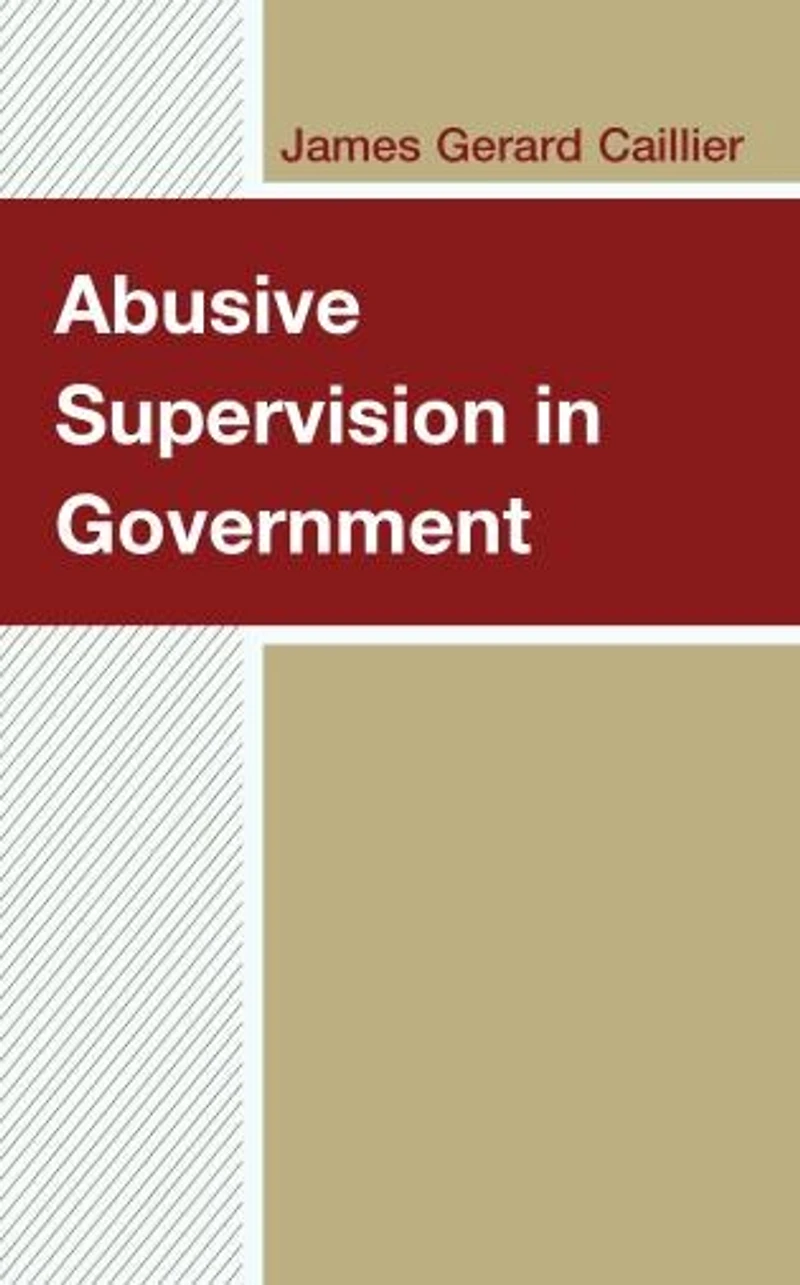
Abusive Supervision Government in Ottawa, ON
By None
Current price: $160.95

By None
Abusive Supervision Government in Ottawa, ON
Current price: $160.95
Loading Inventory...
Size: Hardcover
*Product information may vary - to confirm product availability, pricing, shipping and return information please contact Coles
In Abusive Supervision in Government Agencies, Caillier uses both quantitative and qualitative survey data, a mixed-method approach, to argue that certain organizational norms and subordinate factors either increase or decrease the presence of abusive supervision in agencies and that when employees experience abusive supervision, their well-being and work attitudes are adversely affected. In addition, a mixed-method approach is used to contend that problems concerning the abusive supervision process are pervasive in agencies. More specifically, many targets of abuse supervision fail to report the incident, and for those who do, agencies seldom do anything to stop abusive supervisors and the overwhelming majority of targets experience some form of retaliation for reporting the abuse. The author also uses qualitative data to argue that many agencies still do not have a robust workplace aggression policy. The author concludes by identifying future directions for research concerning abusive supervision.
In Abusive Supervision in Government Agencies, Caillier uses both quantitative and qualitative survey data, a mixed-method approach, to argue that certain organizational norms and subordinate factors either increase or decrease the presence of abusive supervision in agencies and that when employees experience abusive supervision, their well-being and work attitudes are adversely affected. In addition, a mixed-method approach is used to contend that problems concerning the abusive supervision process are pervasive in agencies. More specifically, many targets of abuse supervision fail to report the incident, and for those who do, agencies seldom do anything to stop abusive supervisors and the overwhelming majority of targets experience some form of retaliation for reporting the abuse. The author also uses qualitative data to argue that many agencies still do not have a robust workplace aggression policy. The author concludes by identifying future directions for research concerning abusive supervision.
You May Also Like













More About Coles at Bayshore Shopping Centre
Coles is renowned for its outstanding customer service and great selection of books. Along with the vast array of magazines, stationary, audio-books, children's literature, fiction, non-fiction and reference books, you can find accessories to make your reading experience more pleasurable. We can recommend the very best in reading today. We will help you search our titles for exactly what you need, and if we do not have it in stock, we will order it for you.
100 Bayshore Dr, Nepean, ON K2B 8C1, Canada
Find Coles at Bayshore Shopping Centre in Ottawa, ON
Visit Coles at Bayshore Shopping Centre in Ottawa, ON