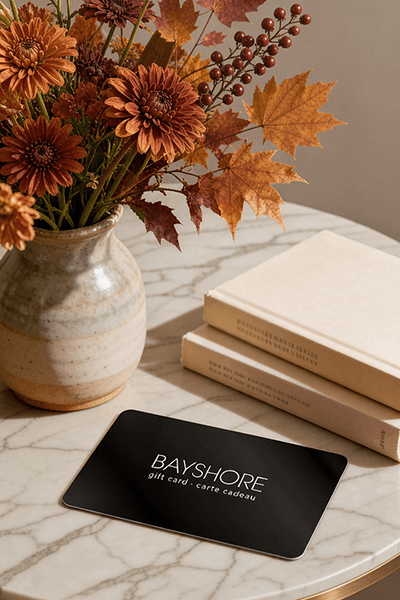
Too many options? Treat your friends and family to their favourite stores with a Bayshore Shopping Centre gift card, redeemable at participating retailers throughout the centre. Click below to purchase yours today!Purchase Here
*Product information may vary - to confirm product availability, pricing, shipping and return information please contact Coles
This volume explores academic households in early modern (c. sixteenth to eighteenth century) Northern Europe, examining changing dynamics of family and gender. During the Middle Ages, Christian scholars were expected to spend their lives unwed and instead focus on educating the young. However, a gradual easing of prohibitions against the marriage of scholars began in different areas of Europe in the late fourteenth century. By the end of the sixteenth century, a great number of professors were men with families and establishing their own households. This was especially the case in the German-speaking Protestant areas of Europe and the Swedish realm from the first half of the seventeenth century. The contributors of this volume concentrate on universities that took on the new idealised understanding of professors and other members of academic communities as married men. They analyse how professors and other members of the academic communities viewed family and household, what academic family life was like, and how the members of the academic community utilised family and the household for (academic) self-fashioning and building networks. Furthermore, they pay special attention to the wives and widows of professors and other academics and discuss the agency of these women. This book is an excellent resource for students and professional readers alike who are interested in the histories of early modern universities, families, and gender.
This volume explores academic households in early modern (c. sixteenth to eighteenth century) Northern Europe, examining changing dynamics of family and gender. During the Middle Ages, Christian scholars were expected to spend their lives unwed and instead focus on educating the young. However, a gradual easing of prohibitions against the marriage of scholars began in different areas of Europe in the late fourteenth century. By the end of the sixteenth century, a great number of professors were men with families and establishing their own households. This was especially the case in the German-speaking Protestant areas of Europe and the Swedish realm from the first half of the seventeenth century. The contributors of this volume concentrate on universities that took on the new idealised understanding of professors and other members of academic communities as married men. They analyse how professors and other members of the academic communities viewed family and household, what academic family life was like, and how the members of the academic community utilised family and the household for (academic) self-fashioning and building networks. Furthermore, they pay special attention to the wives and widows of professors and other academics and discuss the agency of these women. This book is an excellent resource for students and professional readers alike who are interested in the histories of early modern universities, families, and gender.
Coles is renowned for its outstanding customer service and great selection of books. Along with the vast array of magazines, stationary, audio-books, children's literature, fiction, non-fiction and reference books, you can find accessories to make your reading experience more pleasurable. We can recommend the very best in reading today. We will help you search our titles for exactly what you need, and if we do not have it in stock, we will order it for you.