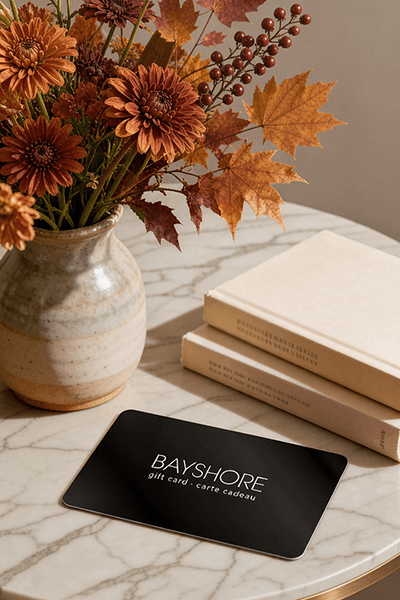
Too many options? Treat your friends and family to their favourite stores with a Bayshore Shopping Centre gift card, redeemable at participating retailers throughout the centre. Click below to purchase yours today!Purchase Here
Coles Acceptable Risk at Bayshore Shopping Centre in Ottawa, ON
*Product information may vary - to confirm product availability, pricing, shipping and return information please contact Coles
The bestselling “master of the medical thriller” ( The New York Times) confronts one of the most compelling issues of our time: personality-altering drugs and the complex moral questions they raise.
When neuroscientist Edward Armstrong begins dating Kimberly Stewart, a descendant of a woman who was hanged as a witch at the time of the Salem witch trials, he takes advantage of the opportunity to delve into a pet theory: that the “devil” in Salem in 1692 had been a hallucinogenic drug inadvertently consumed with mold-tainted grain. In an attempt to prove his theory, Edward grows the mold he believes responsible with samples from the Stewart estate. In a brilliant designer-drug transformation, the poison becomes Ultra, the next generation of antidepressants with truly startling therapeutic capabilties.
But who can be sure the drug is safe for consumers? Who defines the boundaries of “normal” human behavior? And if the drug’s side effects are proven to be dangerous—even terrifying—how far will the medical community go to alter their standards of acceptable risk?
The bestselling “master of the medical thriller” ( The New York Times) confronts one of the most compelling issues of our time: personality-altering drugs and the complex moral questions they raise.
When neuroscientist Edward Armstrong begins dating Kimberly Stewart, a descendant of a woman who was hanged as a witch at the time of the Salem witch trials, he takes advantage of the opportunity to delve into a pet theory: that the “devil” in Salem in 1692 had been a hallucinogenic drug inadvertently consumed with mold-tainted grain. In an attempt to prove his theory, Edward grows the mold he believes responsible with samples from the Stewart estate. In a brilliant designer-drug transformation, the poison becomes Ultra, the next generation of antidepressants with truly startling therapeutic capabilties.
But who can be sure the drug is safe for consumers? Who defines the boundaries of “normal” human behavior? And if the drug’s side effects are proven to be dangerous—even terrifying—how far will the medical community go to alter their standards of acceptable risk?
Coles is renowned for its outstanding customer service and great selection of books. Along with the vast array of magazines, stationary, audio-books, children's literature, fiction, non-fiction and reference books, you can find accessories to make your reading experience more pleasurable. We can recommend the very best in reading today. We will help you search our titles for exactly what you need, and if we do not have it in stock, we will order it for you.