

Give the Gift of Choice!
Too many options? Treat your friends and family to their favourite stores with a Bayshore Shopping Centre gift card, redeemable at participating retailers throughout the centre. Click below to purchase yours today!Purchase HereHome
Accessing Healthcare: Responding to diversity
Coles
Loading Inventory...
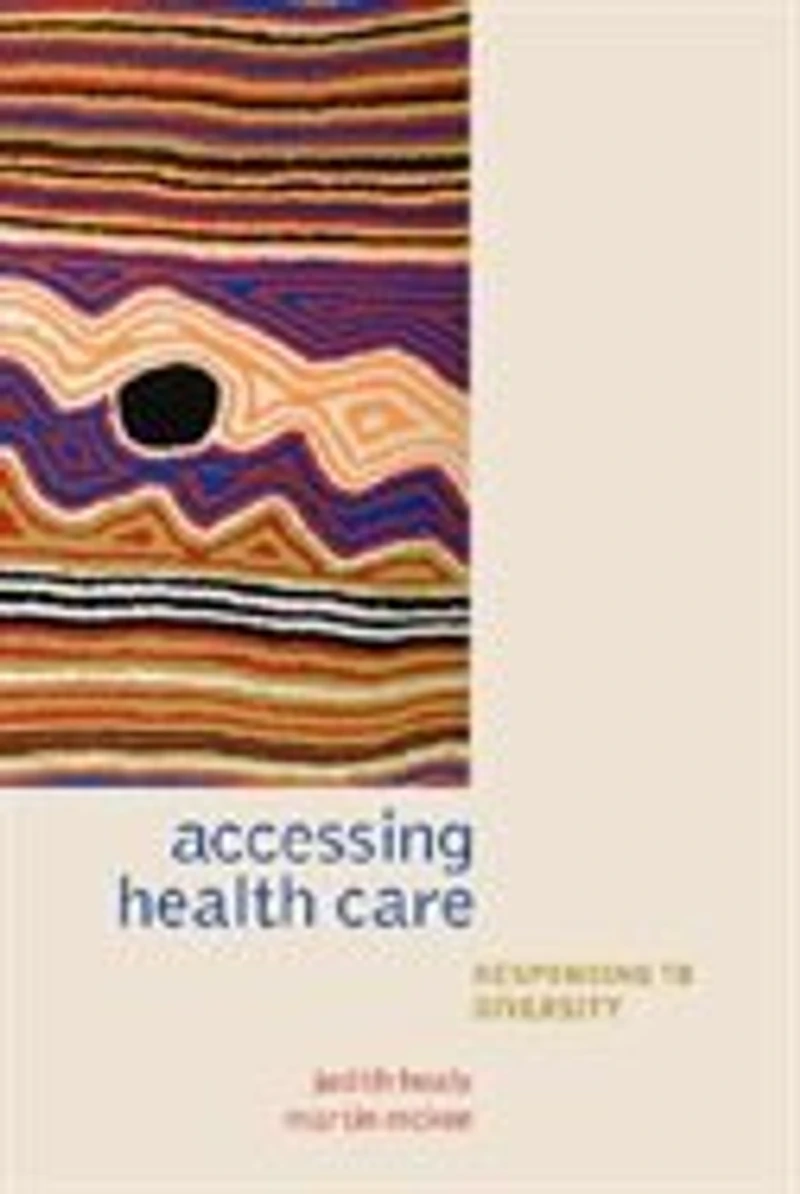
Accessing Healthcare: Responding to diversity in Ottawa, ON
By None
Current price: $315.00

By None
Accessing Healthcare: Responding to diversity in Ottawa, ON
Current price: $315.00
Loading Inventory...
Size: Hardcover
*Product information may vary - to confirm product availability, pricing, shipping and return information please contact Coles
Health care systems in developed countries must respond to increasingly diverse populations given greater population movements as a result of globalization. We all share a common humanity yet we each have different health care needs, depending on whether we are young or old, men or women,
rich or poor, disabled or able-bodied, from different ethnic and indigenous groups, or citizens or asylum-seekers. Our membership of these societal groups shapes to some extent our health needs and our use of health services. But policy-makers and professionals often seem blind to this diversity.
Some groups make special claims upon the state and have different expectations regarding health care. What are the barriers to people receiving equitable health care? Should mainstream services be made more responsive to the needs of different people, or is it necessary to set up alternative health
care services? The chapters in this book discuss countries and population groups that illustrate different responses to claimant groups and different ways of delivering health services.
For the first time this book brings draws together examples of how to deal with diversity from health systems across the industrialized world. It considers population groups within countries and takes a broad approach, studying inherent population diversity (age, sex), citizen issues (migrants,
asylum seekers) and ethnic and indigenous groups (multiculturalism in the UK, Roma in Europe, New Zealand Maori, Australian Aborigines). It identifies barriers to accessing health care services by diverse populations and cultural groups within different countries and considers the advantages and
disadvantages of different delivery models for different population groups.
This book provides an unparalleled breadth of perspectives from which to draw conclusions about how to meet the needs of societies characterised by diversity.
Health care systems in developed countries must respond to increasingly diverse populations given greater population movements as a result of globalization. We all share a common humanity yet we each have different health care needs, depending on whether we are young or old, men or women,
rich or poor, disabled or able-bodied, from different ethnic and indigenous groups, or citizens or asylum-seekers. Our membership of these societal groups shapes to some extent our health needs and our use of health services. But policy-makers and professionals often seem blind to this diversity.
Some groups make special claims upon the state and have different expectations regarding health care. What are the barriers to people receiving equitable health care? Should mainstream services be made more responsive to the needs of different people, or is it necessary to set up alternative health
care services? The chapters in this book discuss countries and population groups that illustrate different responses to claimant groups and different ways of delivering health services.
For the first time this book brings draws together examples of how to deal with diversity from health systems across the industrialized world. It considers population groups within countries and takes a broad approach, studying inherent population diversity (age, sex), citizen issues (migrants,
asylum seekers) and ethnic and indigenous groups (multiculturalism in the UK, Roma in Europe, New Zealand Maori, Australian Aborigines). It identifies barriers to accessing health care services by diverse populations and cultural groups within different countries and considers the advantages and
disadvantages of different delivery models for different population groups.
This book provides an unparalleled breadth of perspectives from which to draw conclusions about how to meet the needs of societies characterised by diversity.
You May Also Like













More About Coles at Bayshore Shopping Centre
Coles is renowned for its outstanding customer service and great selection of books. Along with the vast array of magazines, stationary, audio-books, children's literature, fiction, non-fiction and reference books, you can find accessories to make your reading experience more pleasurable. We can recommend the very best in reading today. We will help you search our titles for exactly what you need, and if we do not have it in stock, we will order it for you.
100 Bayshore Dr, Nepean, ON K2B 8C1, Canada
Find Coles at Bayshore Shopping Centre in Ottawa, ON
Visit Coles at Bayshore Shopping Centre in Ottawa, ON