

Give the Gift of Choice!
Too many options? Treat your friends and family to their favourite stores with a Bayshore Shopping Centre gift card, redeemable at participating retailers throughout the centre. Click below to purchase yours today!Purchase HereHome
Accidents and the State: Understanding Risks in the 20th Century
Coles
Loading Inventory...
Accidents and the State: Understanding Risks in the 20th Century in Ottawa, ON
Current price: $59.00

Accidents and the State: Understanding Risks in the 20th Century in Ottawa, ON
Current price: $59.00
Loading Inventory...
Size: Paperback
*Product information may vary - to confirm product availability, pricing, shipping and return information please contact Coles
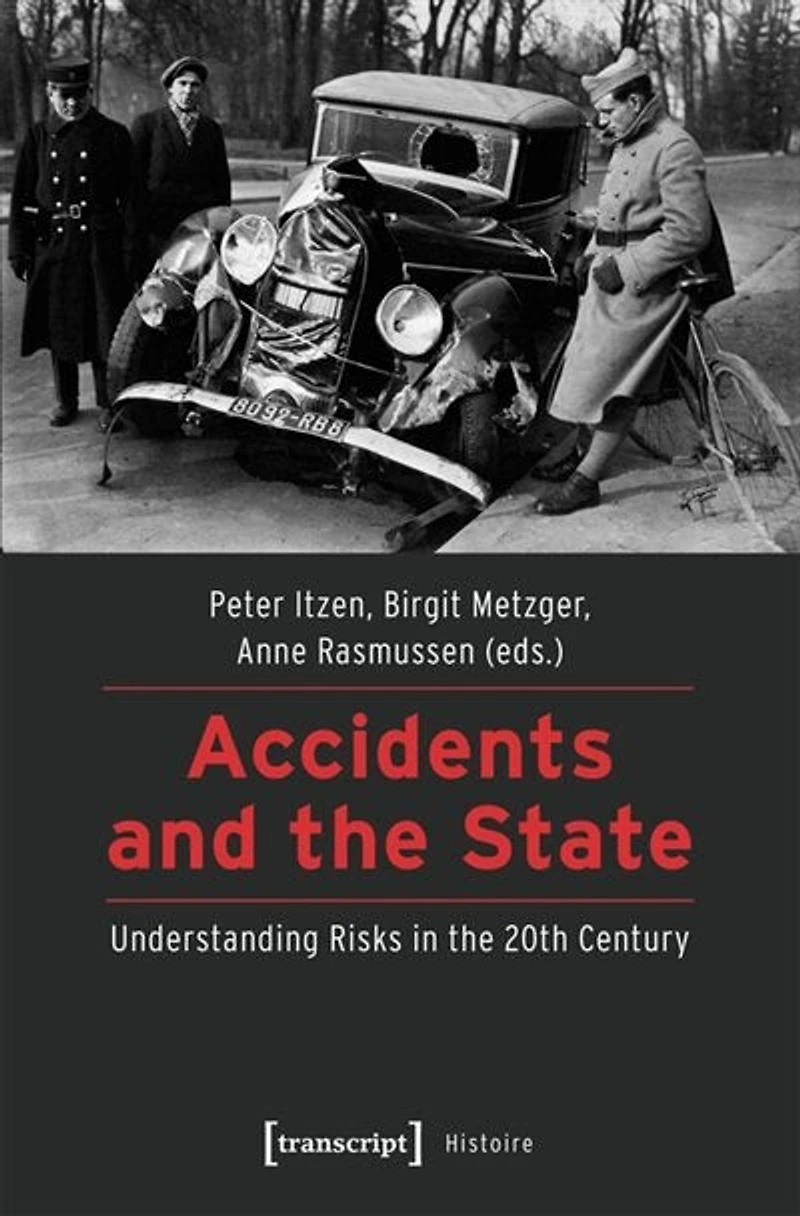
The beginning of the 20th century saw a reinterpretation of the concept of the accident. While accidents had traditionally been considered as inevitable, modern societies debated about their management and prevention. The emergence of the modern state led to an unprecedented capability to deal with accidents. The state formed institutions, practices and legal concepts that considerably changed everyday life.
The contributions in this volume explore social, cultural, political, administrative and medical responses to accidents in modern states. The case studies include British, French, German, Italian, Chinese and Chilean experiences and thus provide different national perspectives on the governance of risks.
The beginning of the 20th century saw a reinterpretation of the concept of the accident. While accidents had traditionally been considered as inevitable, modern societies debated about their management and prevention. The emergence of the modern state led to an unprecedented capability to deal with accidents. The state formed institutions, practices and legal concepts that considerably changed everyday life.
The contributions in this volume explore social, cultural, political, administrative and medical responses to accidents in modern states. The case studies include British, French, German, Italian, Chinese and Chilean experiences and thus provide different national perspectives on the governance of risks.











More About Coles at Bayshore Shopping Centre
Coles is renowned for its outstanding customer service and great selection of books. Along with the vast array of magazines, stationary, audio-books, children's literature, fiction, non-fiction and reference books, you can find accessories to make your reading experience more pleasurable. We can recommend the very best in reading today. We will help you search our titles for exactly what you need, and if we do not have it in stock, we will order it for you.
100 Bayshore Dr, Nepean, ON K2B 8C1, Canada
Find Coles at Bayshore Shopping Centre in Ottawa, ON
Visit Coles at Bayshore Shopping Centre in Ottawa, ON