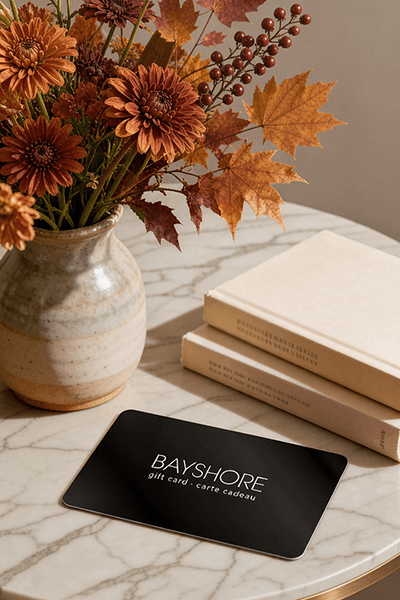
Too many options? Treat your friends and family to their favourite stores with a Bayshore Shopping Centre gift card, redeemable at participating retailers throughout the centre. Click below to purchase yours today!Purchase Here
Coles Acquiring a Non-Native Phonology: Linguistic Constraints and Social Barriers at Bayshore Shopping Centre in Ottawa, ON
*Product information may vary - to confirm product availability, pricing, shipping and return information please contact Coles
This is a study of the phonological development of a family of L2 English learners. It is the first full-length book that focuses on a tightly-knit group of learners' acquisition of phonology over a longitudinal timeframe, and the first book to study both social and linguistic factors across that time period. Jette G. Hansen analyses this data gathered from actual language learners in the light of recent theory, as well as challenging aspects of current thinking on the subject of second language acquisition. Acquiring a Non-Native Phonology therefore makes an important and original contribution to the field and provides an in-depth analysis and discussion of the developmental processes in acquiring a non-native sound system which has not previously been presented.
The book is aimed at academics interested in second language acquisition, and researchers studying phonology in general.
This is a study of the phonological development of a family of L2 English learners. It is the first full-length book that focuses on a tightly-knit group of learners' acquisition of phonology over a longitudinal timeframe, and the first book to study both social and linguistic factors across that time period. Jette G. Hansen analyses this data gathered from actual language learners in the light of recent theory, as well as challenging aspects of current thinking on the subject of second language acquisition. Acquiring a Non-Native Phonology therefore makes an important and original contribution to the field and provides an in-depth analysis and discussion of the developmental processes in acquiring a non-native sound system which has not previously been presented.
The book is aimed at academics interested in second language acquisition, and researchers studying phonology in general.
Coles is renowned for its outstanding customer service and great selection of books. Along with the vast array of magazines, stationary, audio-books, children's literature, fiction, non-fiction and reference books, you can find accessories to make your reading experience more pleasurable. We can recommend the very best in reading today. We will help you search our titles for exactly what you need, and if we do not have it in stock, we will order it for you.