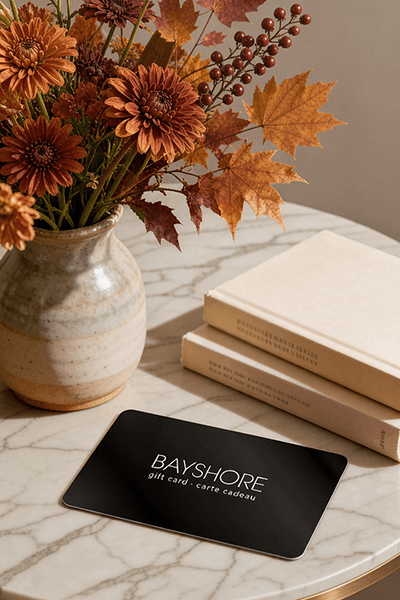
Too many options? Treat your friends and family to their favourite stores with a Bayshore Shopping Centre gift card, redeemable at participating retailers throughout the centre. Click below to purchase yours today!Purchase Here
Coles Active Borders Europe: Identity and Collective Memory the Cross-Border Space at Bayshore Shopping Centre in Ottawa, ON
*Product information may vary - to confirm product availability, pricing, shipping and return information please contact Coles
This book explores how identities, public spheres and collective memories are being transformed in cross-border areas, contributing to the broad sociological context of Europeanization. Offering case studies on the German-Czech-Austrian, and Czech-Polish-German borderlands, the book introduces original primary data on cross-border cooperation. This data is interpreted using the concept of active borders , which approaches borders as a source of multicultural competence and cognitive capacity. In turn, the authors argue that Europeans need to treat borders, both territorial and symbolic, as specific cultural forms. Active borders allow an unprecedented level of cross-border cooperation and integration, and foster a better understanding of differences, rather than re-embedding them or constructing others. Accordingly, the authors contend that active borders promote more dynamic, open and resilient societies, and represent crucial prerequisites for the success of the European integration project.
This book explores how identities, public spheres and collective memories are being transformed in cross-border areas, contributing to the broad sociological context of Europeanization. Offering case studies on the German-Czech-Austrian, and Czech-Polish-German borderlands, the book introduces original primary data on cross-border cooperation. This data is interpreted using the concept of active borders , which approaches borders as a source of multicultural competence and cognitive capacity. In turn, the authors argue that Europeans need to treat borders, both territorial and symbolic, as specific cultural forms. Active borders allow an unprecedented level of cross-border cooperation and integration, and foster a better understanding of differences, rather than re-embedding them or constructing others. Accordingly, the authors contend that active borders promote more dynamic, open and resilient societies, and represent crucial prerequisites for the success of the European integration project.
Coles is renowned for its outstanding customer service and great selection of books. Along with the vast array of magazines, stationary, audio-books, children's literature, fiction, non-fiction and reference books, you can find accessories to make your reading experience more pleasurable. We can recommend the very best in reading today. We will help you search our titles for exactly what you need, and if we do not have it in stock, we will order it for you.