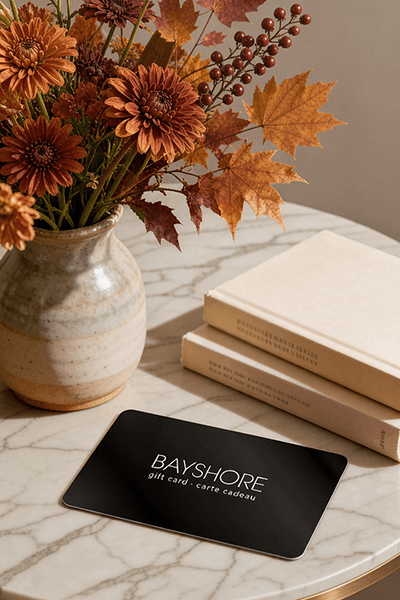
Too many options? Treat your friends and family to their favourite stores with a Bayshore Shopping Centre gift card, redeemable at participating retailers throughout the centre. Click below to purchase yours today!Purchase Here
Coles Acute and Chronic Finger Injuries Ball Sports at Bayshore Shopping Centre in Ottawa, ON
*Product information may vary - to confirm product availability, pricing, shipping and return information please contact Coles
Neglected finger injuries may lead to chronic lesions that often have detrimental consequences for the practice of a ball sport, whether at a recreational level or at the top athlete level. The initial injury management is crucial. Depending on the type and the severity of the lesions, different people may get involved: the players themselves or their entourage, physiotherapists, club doctors, emergency physicians, family doctors, sports doctors or hand surgeons. Treatment is usually conservative: the long fingers require rapid mobilization to prevent stiffness and contrary to that, the thumb requires stability. Surgery may be necessary to reach these goals especially for athletes, because of the demands of their sport. Chronic lesions are also in part related to repeated trauma, requiring specialized long-term multidisciplinary treatment. They can often lead to the end of a sporting career, but also may limit the functionality of the fingers at the time of conversion. Dr Chick is Consultant Hand Surgeon in Hôpital de la Tour (Geneva) and Clinique de Genolier, Switzerland, and Visiting Surgeon in Aspetar, Orthopaedic and Sports Medicine Hospital, Doha, Qatar.
Neglected finger injuries may lead to chronic lesions that often have detrimental consequences for the practice of a ball sport, whether at a recreational level or at the top athlete level. The initial injury management is crucial. Depending on the type and the severity of the lesions, different people may get involved: the players themselves or their entourage, physiotherapists, club doctors, emergency physicians, family doctors, sports doctors or hand surgeons. Treatment is usually conservative: the long fingers require rapid mobilization to prevent stiffness and contrary to that, the thumb requires stability. Surgery may be necessary to reach these goals especially for athletes, because of the demands of their sport. Chronic lesions are also in part related to repeated trauma, requiring specialized long-term multidisciplinary treatment. They can often lead to the end of a sporting career, but also may limit the functionality of the fingers at the time of conversion. Dr Chick is Consultant Hand Surgeon in Hôpital de la Tour (Geneva) and Clinique de Genolier, Switzerland, and Visiting Surgeon in Aspetar, Orthopaedic and Sports Medicine Hospital, Doha, Qatar.
Coles is renowned for its outstanding customer service and great selection of books. Along with the vast array of magazines, stationary, audio-books, children's literature, fiction, non-fiction and reference books, you can find accessories to make your reading experience more pleasurable. We can recommend the very best in reading today. We will help you search our titles for exactly what you need, and if we do not have it in stock, we will order it for you.