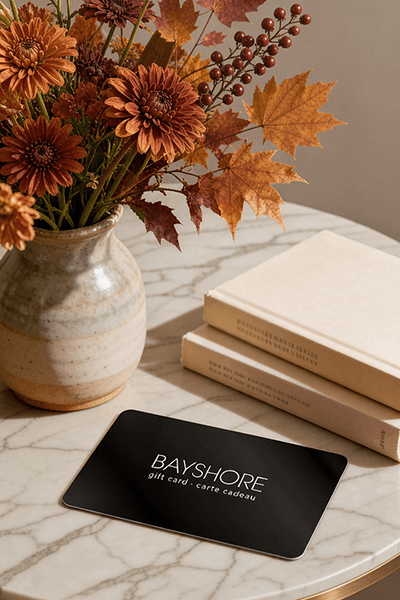
Too many options? Treat your friends and family to their favourite stores with a Bayshore Shopping Centre gift card, redeemable at participating retailers throughout the centre. Click below to purchase yours today!Purchase Here
Coles Admission to the United Nations: Charter Article 4 and the Rise of Universal Organization at Bayshore Shopping Centre in Ottawa, ON
*Product information may vary - to confirm product availability, pricing, shipping and return information please contact Coles
The United Nations began as an alliance during World War II. Eventually, however, the UN came to approximate a universal organization - i.e., open to and aspiring to include all States. This presents a legal question, for Article 4 of the Charter contains substantive criteria to limit admission of States to the UN and no formal amendment has touched that part of the Charter. This book gives an up-to-date account of admission to the UN, from the 1950s ‘logjam’ through on-going controversies like Kosovo and Taiwan. With reference to Charter law, the book considers how Article 4 came to accommodate universality and what the future of a universal organization in a world of politically diverse States might be.
The United Nations began as an alliance during World War II. Eventually, however, the UN came to approximate a universal organization - i.e., open to and aspiring to include all States. This presents a legal question, for Article 4 of the Charter contains substantive criteria to limit admission of States to the UN and no formal amendment has touched that part of the Charter. This book gives an up-to-date account of admission to the UN, from the 1950s ‘logjam’ through on-going controversies like Kosovo and Taiwan. With reference to Charter law, the book considers how Article 4 came to accommodate universality and what the future of a universal organization in a world of politically diverse States might be.
Coles is renowned for its outstanding customer service and great selection of books. Along with the vast array of magazines, stationary, audio-books, children's literature, fiction, non-fiction and reference books, you can find accessories to make your reading experience more pleasurable. We can recommend the very best in reading today. We will help you search our titles for exactly what you need, and if we do not have it in stock, we will order it for you.